Blog
Which Foldimate Machine Fits Your Home Laundry Needs?

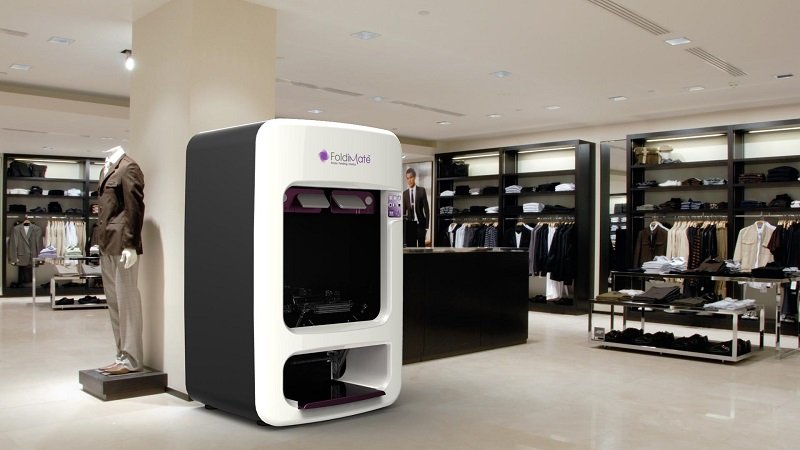
Managing laundry can feel endless: wash, dry, fold, repeat. If you’ve ever wished someone could handle the folding and smoothing for you, a folding robot may sound like a dream. In this article I walk you through how these machines work, what to expect in everyday use, and how to choose the right Foldimate model for your household. I’ll share hands-on observations, honest pros and cons, and practical tips to help you decide whether a Foldimate machine will genuinely save you time and improve your daily routine.
Why consider a folding robot for home laundry?
Most households treat folding as a chore that sits between finishing the laundry and putting clothes away. Beyond the time cost, folding can create friction in a busy routine: clean clothes sit in baskets waiting for attention, shirts wrinkle waiting for a slot of time, and small items get ignored until laundry day. A folding robot changes that by shortening the time between dry clothes and neatly folded garments. If you value reclaiming daily minutes for other tasks, the investment in a machine that reliably folds shirts, pants and tees can feel liberating.
Beyond time savings, there’s a consistency benefit. A machine produces repeated, uniform folds so your drawers and closet look neater. For families with children, a consistent folding style helps with organization: one stack per size or type is easy for everyone to maintain. For people who work from home or have limited free time, reducing the mental load of a small but constant task can be surprisingly valuable. That said, not every item is ideal for automatic folding; delicate fabrics, heavy linens, or oddly shaped garments may still need hand care.
When you evaluate models, consider how they match your laundry habits. Some models focus on speed and ironing-like smoothing, while others emphasize compact design and budget. If you often iron shirts for work, a model with steam smoothing will be more useful. If space is tight, look for compact designs that still handle a wide variety of fabrics. Throughout this piece I’ll point to specific options like the FoldiMate elite, the FoldiMate classic, and the FoldiMate 2025 so you can compare their fit for different households.
How a Foldimate machine works in real life
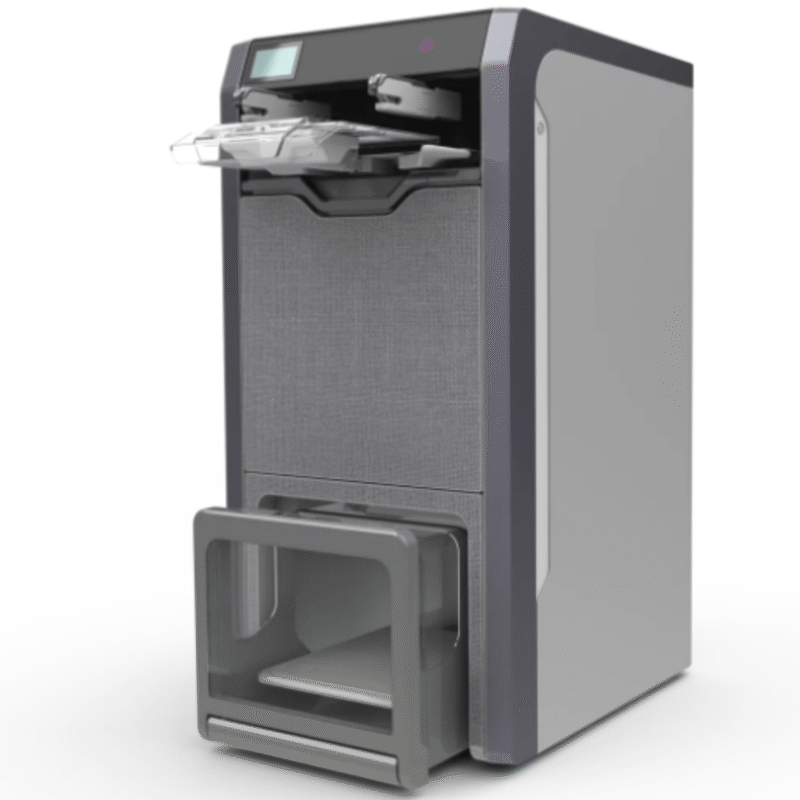
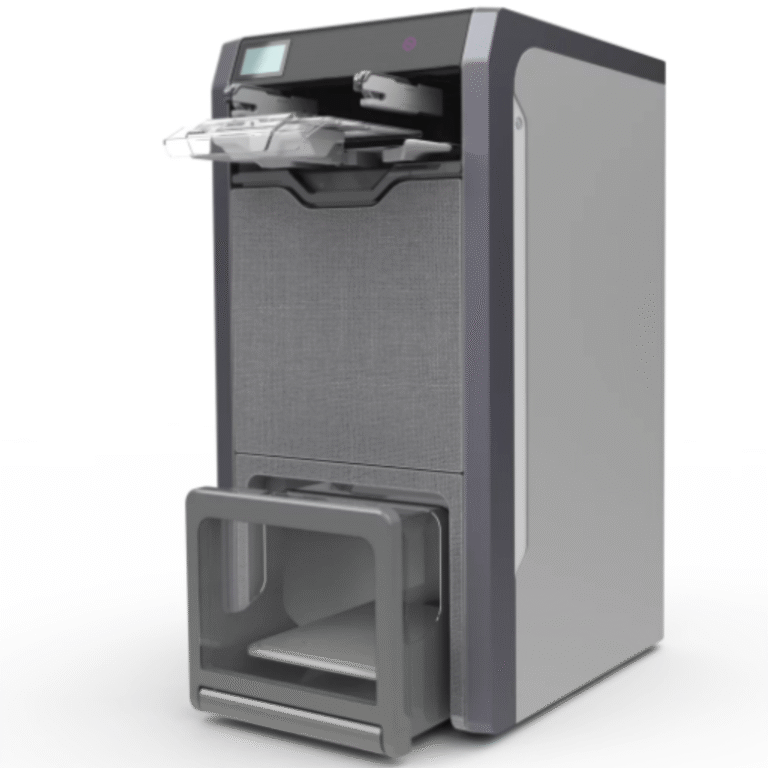
The core idea is simple: feed a garment and the machine grips, smooths, folds and ejects a neatly folded piece ready for storage. In everyday use you’ll see a few practical details that shape how useful the device is. First, garment preparation matters: shirts should be buttoned or zipped, and sleeves often need to be aligned reasonably well. This doesn’t mean perfect pre-folding—most models tolerate typical handling—but a small effort up front speeds the whole process. In my experience, placing garments with collars or necklines aligned reduces misfeeds and keeps the output tidy.
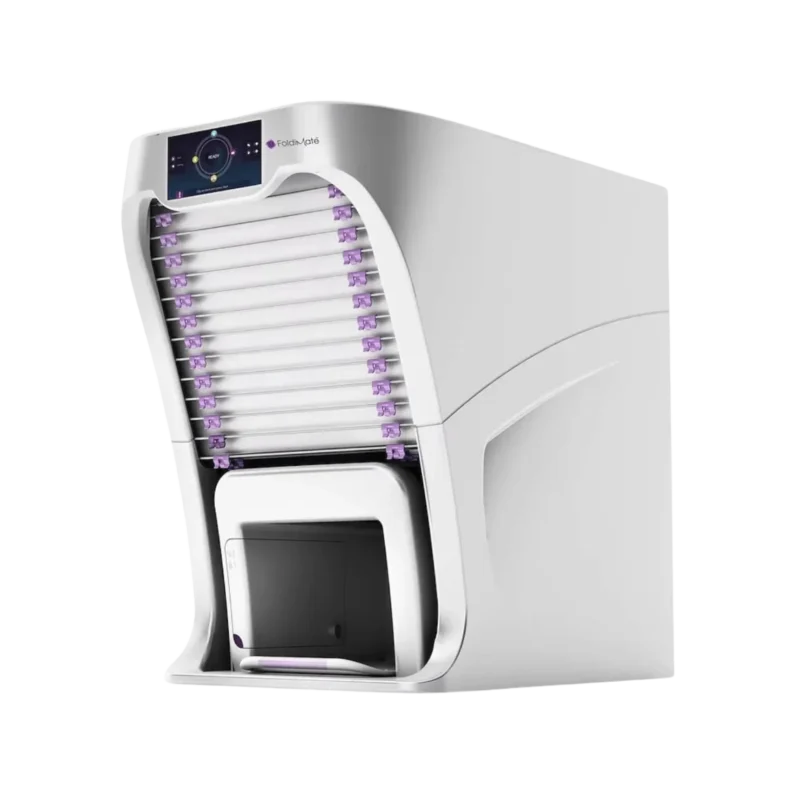
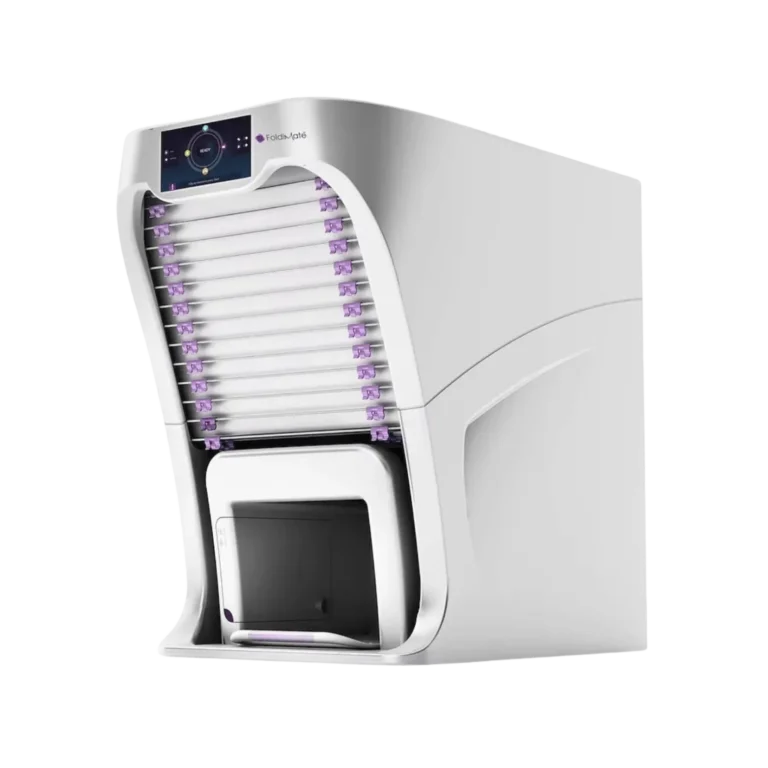
Second, cycle time and throughput dictate how you integrate the machine into chores. The FoldiMate elite promises ultra-fast folding and professional smoothing—up to 25 items in a few minutes—making it suited to families or anyone who wants a full basket handled quickly. The classic FoldiMate offers a balanced option at a lower price point, and the FoldiMate 2025 focuses on faster cycles with compact size. Think about whether you want continuous throughput for a whole laundry day or a machine that handles small daily loads.
Third, fabric compatibility is crucial. Many folding robots use a combination of mechanical folding and gentle steam smoothing. Models like the FoldiMate elite advertise multi-fabric handling, including shirts, pants and t-shirts, thanks to controlled steam and a robust motor. Still, delicate silks, specialty sportswear, and very heavy fabrics warrant hand treatment. When possible, keep a short list of items you won’t feed into the machine to avoid surprises.
Comparing the Foldimate lineup: features and practical differences
Putting models side-by-side helps you decide. Below is a clear comparison that summarizes capacity, speed, smoothing features and price to help you weigh trade-offs. After the table I’ll unpack what those differences mean in everyday routines, including energy use, noise, and convenience. The prices listed reflect current offers and are linked to product pages so you can view the latest details and images.
| Model | Key strengths | Approx. throughput | Price (current) |
|---|---|---|---|
| FoldiMate elite | Fastest folding, professional steam smoothing | Up to 25 items in 3 minutes | |
| FoldiMate classic | Good value, consistent folds for everyday garments | Balanced throughput for daily loads | |
| FoldiMate 2025 | Compact, fast per-fold speed (3s per fold) | High speed, smaller footprint |
The table gives a quick orientation, but daily life raises subtler questions. For example, noise can matter if your laundry station is near living spaces. The FoldiMate 2025 is engineered to be quieter and more compact, ideal for apartments. For families with regular ironing needs, the FoldiMate elite adds stronger steam smoothing that reduces the need for a separate iron. If budget is the constraint, the classic FoldiMate hits the right balance between cost and performance.
Consider energy consumption and maintenance too. Folding robots draw power for motors and steam, so if you’re tracking utility impact, compare rated power and estimated daily usage. Maintenance is usually straightforward: emptying water for steam, checking for trapped items, and occasional cleaning. The manufacturer pages for each model explain maintenance steps—see the product instructions on the FoldiMate elite and the FoldiMate 2025 for water refill and care tips.
How to choose the right Foldimate machine for your household
Choosing a model starts with honest questions about your routine. How many people are in your household? Do you need daily small-load convenience or a machine that can clear a full weekend’s laundry in one go? If you live alone or with one partner and do small daily loads, a compact model like the FoldiMate 2025 may be ideal. If you manage a larger family and want the fastest turnaround plus ironing-like smoothing, the FoldiMate elite will match your pace.
Next, think about the types of garments you handle most often. If your rotation includes many dress shirts and business wear, prioritize steam smoothing and a model that advertises high wrinkle removal. That would favor the FoldiMate elite. For casual wardrobes dominated by t-shirts and jeans, the classic FoldiMate may handle everything you need without extra features you won’t use.
Storage and placement are practical constraints. Measure the space where the machine will live and imagine loading and unloading garments. If you want the machine near your dryer, ensure there’s room to feed garments comfortably. Compact models can tuck into a laundry closet; larger, more powerful units may need a dedicated corner. You can also check user reports on noise and workflow by searching product discussions on retail sites such as Amazon France and community forums for firsthand impressions.
Setting up and integrating a Foldimate into your routine
Setup is mostly physical placement, water for steam if required, and a quick orientation to how the machine accepts garments. Start with a short test batch of shirts and t-shirts to understand how to align collars and sleeves for best results. Many users find it helpful to keep a small basket where they place clothes that are fold-ready—this minimizes handling and avoids feeding damp items. If your model requires a water reservoir for smoothing, plan a routine for refilling: for many households a weekly refill keeps the machine ready.
Workflows matter more than features. For example, if you dry clothing on a schedule, plan one time slot to move items into the fold machine so they come out ready to store. If you prefer small daily loads, run the machine once or twice a day so clothes are always put away promptly. For family use, teach children to place their clean garments in a staging basket rather than leaving them in the dryer. Over a few weeks you’ll notice whether you’ve saved enough time to justify the device and how it changes the household rhythm.
Integration also includes small adaptations: using uniform folding settings for similar garment types, labeling drawers so everyone knows where machine-folded stacks go, and keeping a short list of items you won’t feed into the machine. The product pages for each model include recommended garment lists and special-care notices—see the usage notes on the FoldiMate classic and the FoldiMate 2025.
Maintenance, common issues and practical fixes
Maintenance for folding machines is intentionally simple, but a few routine tasks keep things running smoothly. Empty any lint catchers and wipe down accessible surfaces once every couple of weeks, check water filters or reservoirs if your model uses steam, and inspect the intake area for small items like socks that can get tucked into crevices. If you run frequent loads, plan a monthly deeper clean following the manufacturer’s guidance. The product support pages on the official site often include step-by-step cleaning instructions and videos.
Common issues include misfeeds and wrinkling due to garments being too damp or misaligned. If you see misfolds, slow down and realign collars and sleeves before feeding. For persistent wrinkles, a machine with stronger steam smoothing—such as the FoldiMate elite—will reduce the need for a separate iron. If you encounter technical errors or error codes, consult the troubleshooting guide that came with your model and look up quick solutions on product pages like the FoldiMate 2025 support section.
Replacement parts and service are another consideration. Check warranty terms and local service options before buying. Some sellers list spare components on product pages; you may want to stock a small set of common wear pieces if you expect heavy use. For additional reading on household appliance care, general guidance is available from reputable sources such as Wikipedia for appliance lifecycle topics and product discussion threads on retail platforms like Amazon for community tips.
Real-world use cases and time-saving math
Numbers help clarify value. Imagine you fold 15 garments a day and each item takes you about two minutes to fold and smooth manually. That’s 30 minutes daily. If a folding machine reduces that to 5 minutes of hands-on time for monitoring and staging, you reclaim about 25 minutes a day—more than three hours per week. Multiply that over months and the convenience becomes significant, especially if you prefer to use that time for other daily priorities. If your household performs larger weekly laundry sessions, the time savings per session can be even higher.
Families report different returns on investment. Some users say the device paid for itself in time savings and reduced friction in household organization after a few months; others see it as a lifestyle upgrade that improves daily routines even if payback is slower. If you run a small clothing-focused business or manage uniforms for a household, the productivity gains can be more quantifiable. Evaluate how you personally value time versus the cost, and consider trial windows or return policies where available.
Beyond time, consistent folding can reduce garment wear by minimizing repeated re-folding and over-handling. For those who love a tidy closet, the psychological benefit of seeing stacks of identically folded shirts can affect how often you put things away. If you’re curious about comparisons between machine-assisted folding and traditional hand folding, see community guides like Foldimate vs traditional folding and user stories on product pages including the FoldiMate.
Where to buy and what to check before purchasing
Buying from an authorized retailer gives you better warranty support and clearer return terms. The official product pages are a reliable starting place to check prices and shipping—see the FoldiMate elite, FoldiMate classic, and the FoldiMate 2025 for current offers. Read return policies carefully: some sellers offer trial periods that let you test how the machine fits your routine. Also, check shipping terms and whether installation or setup help is offered in your area.
Before buying, confirm the warranty length and what it covers. Check whether consumables like water filters or steam cartridges are easy to source. If you prefer in-person inspection, look for demo units at local appliance showrooms and read customer reviews on retail sites. For broader appliance reliability and consumer discussions, public forums and retail review sections often have repeated themes that surface long-term issues and practical hacks.
Finally, take advantage of support resources. The manufacturer’s online support pages and community-driven articles such as how to use Foldimate and maintenance tips can shorten your learning curve after purchase. If you’re leaning toward a specific model, compare feature lists, and consider how the device will fit into daily life rather than focusing only on specs.
Practical tips for getting the best results
Start slow and adapt your process. Run small test batches and tweak garment placement to see what yields the cleanest results. Keep a small staging basket near the machine so you don’t shuffle items across the laundry room. For shirts, buttoning the top one or two buttons and aligning collars minimizes misfeeds. For pants, smoothing seams and ensuring they’re not overly bunched makes a big difference. If a garment needs special attention—stubborn creases or delicate stitching—set it aside for hand care.
Keep a short, visible checklist near the machine: make sure garments are dry, clear pockets, and note items that shouldn’t be fed into the mechanism. If you run multiple cycles per day, establish a refill and clean schedule for steam models. Over time you’ll learn the quirks of your chosen model and develop a rhythm that feels effortless. For deeper tips and troubleshooting examples, the support and FAQ pages on the official site are useful resources: check the Foldimate FAQs and product manuals linked on each model page.
Finally, think of the machine as a partner in routine rather than a one-time purchase. Small adjustments to laundry flow—staging, sorting, and quick monitoring—make the machine more effective and increase the joy of returning to tidy drawers. If you’re designing a new laundry room or upgrading equipment, plan space and electrical access so the machine feels like an integrated appliance rather than a separate gadget.
Frequently asked questions
1. Can a Foldimate machine handle dress shirts and trousers?
Yes. Most models are designed to handle shirts, t-shirts and trousers. If you wear dress shirts regularly and want minimal ironing, choose a model with stronger steam smoothing like the FoldiMate elite. Still, very delicate fabrics or heavy garments may need hand finishing.
2. How noisy are these machines—can I run them at night?
Noise varies by model. The FoldiMate 2025 emphasizes quiet operation for apartments. If noise is a concern, test a demo or check user reviews for decibel-level experiences before buying.
3. What maintenance should I expect?
Regular tasks include emptying lint, wiping accessible surfaces, and refilling water for steam models. Monthly deeper cleaning can prevent build-up. Manufacturer guides on each product page outline maintenance steps—see the maintenance notes on the FoldiMate classic.
4. Are replacement parts easy to find?
Authorized sellers and the manufacturer typically supply spare parts. Check warranty terms and availability with the retailer before purchase, especially if you anticipate heavy daily use.
5. How do I know which model will save me the most time?
Estimate how many garments you fold daily and compare that with each model’s throughput. If you fold many items daily, a high-throughput model like the FoldiMate elite offers the most time savings. For smaller daily loads, the compact FoldiMate 2025 may be the best fit.
Conclusion
A folding machine can transform a small, nagging household chore into a seamless part of your routine. The choice between the FoldiMate elite, the FoldiMate classic, and the FoldiMate 2025 depends on your household size, garment types, and how much time you value reclaiming. Try small test runs, read user reports, and check warranty and return policies to make an informed choice. If you want more hands-on tips, visit the support and blog pages linked throughout this article for step-by-step guides and user stories.
Further reading and community resources: read long-form user experiences on the how to use Foldimate post, check maintenance suggestions at Foldimate maintenance tips, compare manual vs machine workflows at Foldimate vs traditional folding, and browse common questions at Foldimate FAQs. For general background on laundry care and appliance lifecycles, consider resources like Wikipedia and retail community discussions on Amazon France. If you want to check current availability or compare offers, search broadly on Google.