Blog
How Can a Laundry Folding Machine Simplify Your Home Routine?

Managing laundry is one of those household chores that quietly consumes time and energy. If you find yourself folding piles of clothes while trying to catch up on work, spending evenings smoothing out wrinkles or wishing there were an easier way to keep shirts and tees presentable, a laundry folding machine could be a real game changer. In this long-form guide I’ll share practical, hands-on advice drawn from real use, explain what these machines do and don’t do, and walk you through how to choose, place and maintain one so it actually saves you time rather than becoming another appliance that gathers dust.
Why consider a laundry folding machine?
At first glance, the promise is simple: fewer minutes spent folding, more neat stacks ready for storage. But the real value goes beyond the clock. A laundry folding machine offers consistency in fold quality, reduces the tedium of repetitive motion and can significantly lower the friction of keeping clothes tidy. For busy families juggling work, school and activities, the difference between piling clothes on a chair and returning a neat stack to a drawer affects daily routines and stress levels. Some models also include wrinkle-reduction features that minimize or eliminate the need for ironing, which is a direct time-saver for shirts and blouses that you want to wear straight from the drawer.
There are limits, of course, and that’s important to acknowledge up front. Not every fabric or item is compatible with machines, and some delicate garments still need hand care. What I recommend is thinking of a laundry folding machine as an amplifier for the parts of your routine you want streamlined: basics like T-shirts, towels, sweaters and many casual shirts. Integrating one into a predictable workflow—unloading the dryer, clipping or smoothing items briefly, then feeding them into the machine—can turn a chore completed in snatches throughout the day into a single, efficient step.
How these machines work and what to expect
Most modern laundry folding machines combine mechanical folding arms, gentle pressing surfaces and, in some cases, steam to reduce wrinkles. The process typically involves placing one garment at a time on a feed tray or hanging mechanism; the machine then identifies, aligns and folds the item along preset patterns. For everyday household use you’ll want a model that handles a variety of fabrics without constant readjustment. Speed is a factor—how many seconds per fold—but so is adaptability: can the machine handle different sizes, heavier fabrics like denim, or delicate mixes without causing damage?
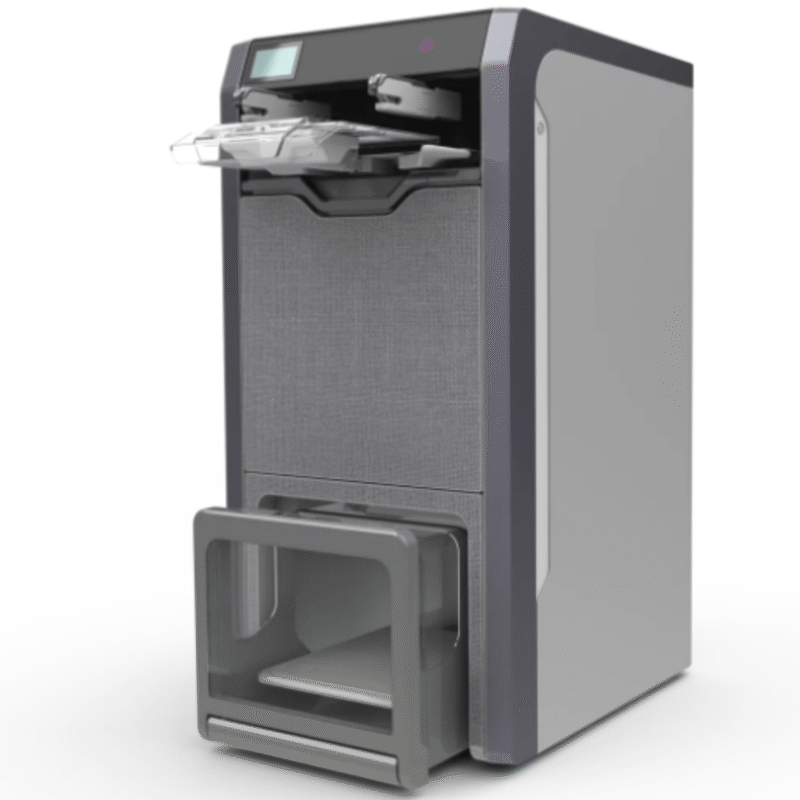
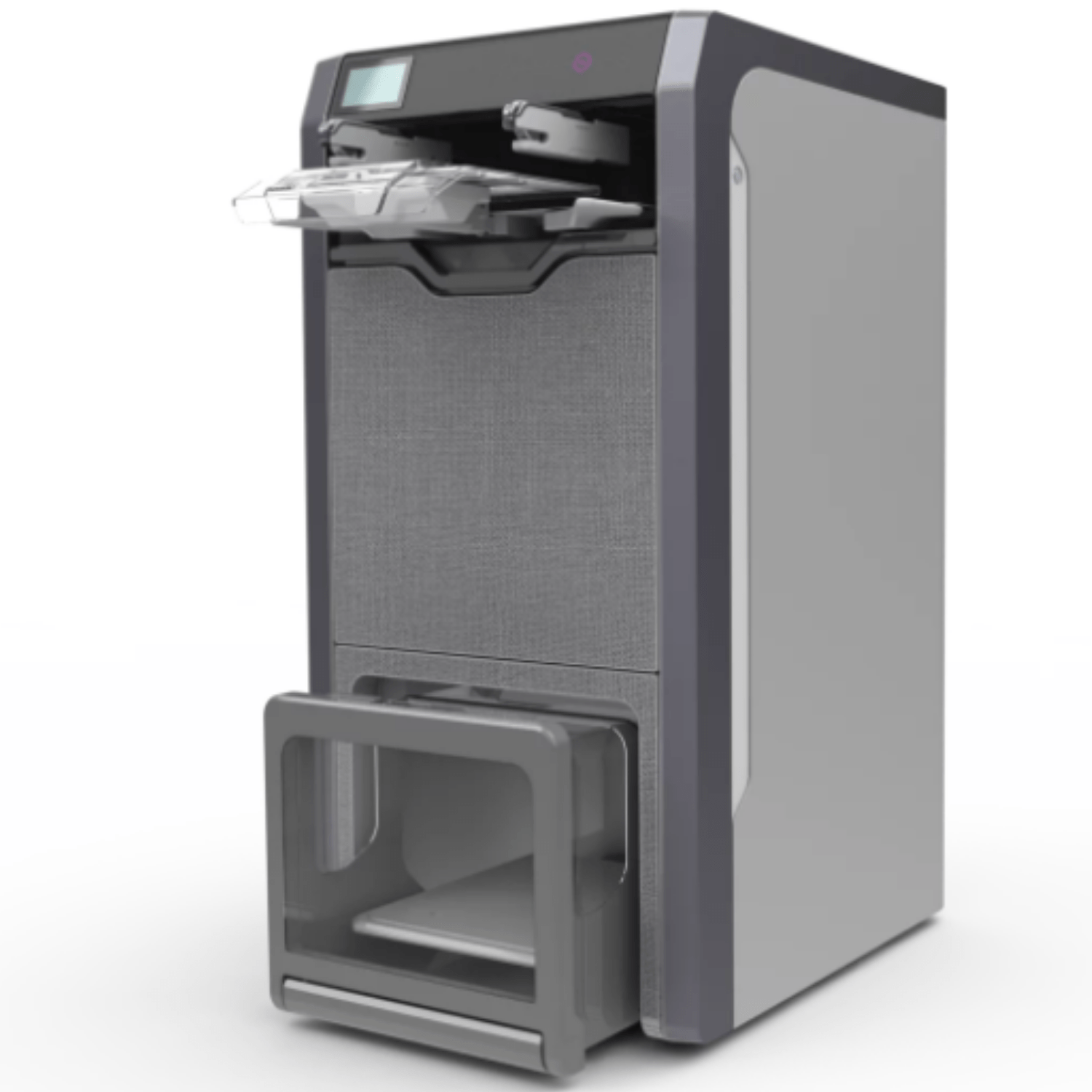
Beyond the mechanics, practical expectations matter. Even high-performing machines will occasionally need intervention: re-feeding a tricky collar, de-wrinkling a heavily creased fabric manually, or emptying the internal catch for lint or tags. That said, a machine with a clear, simple workflow will let you fold many items with minimal attention. For a look at a widely used entry-level option that balances price and performance, consider the FoldiMate – The authentic automatic laundry folding machine and robot, which brings automatic folding and smoothing to everyday garments. An image of the unit helps visualize placement in a laundry room: 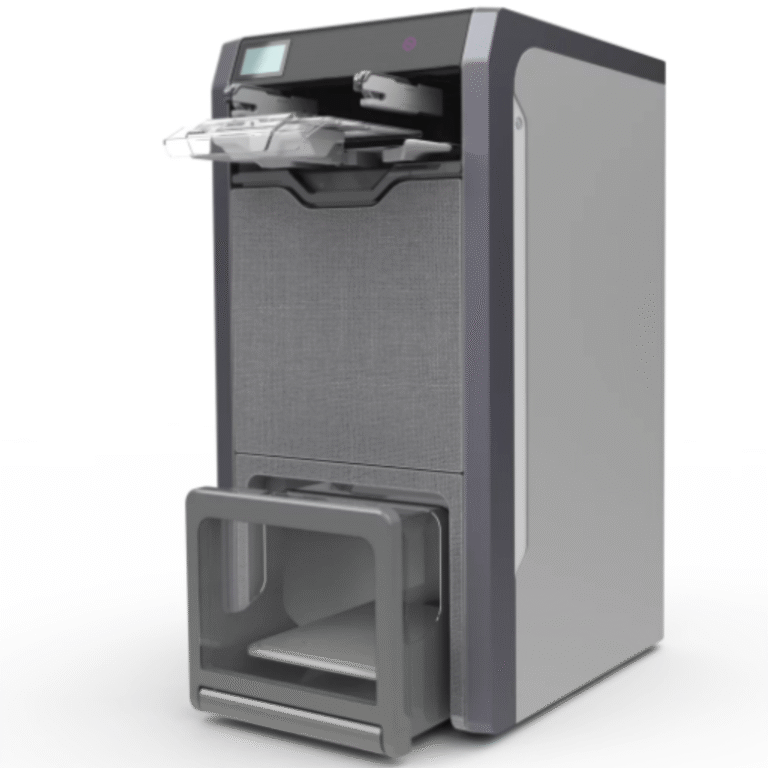
Which models you’ll encounter and how they differ
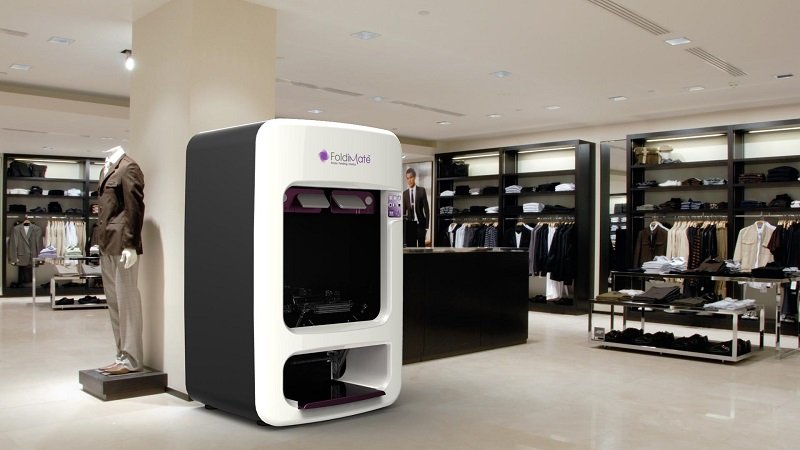
While shopping you’ll see a range from compact, entry-level machines to premium multi-function units. Three models worth comparing by behavior and feature set are the authentic FoldiMate, the newer FoldiMate 2025 and the higher-end FoldiMate Elite. Each has a distinct personality: the original FoldiMate positions itself as an accessible introduction to automatic folding, the FoldiMate 2025 emphasizes improved speed and compact design, and the FoldiMate Elite focuses on professional-grade finishing and faster throughput.
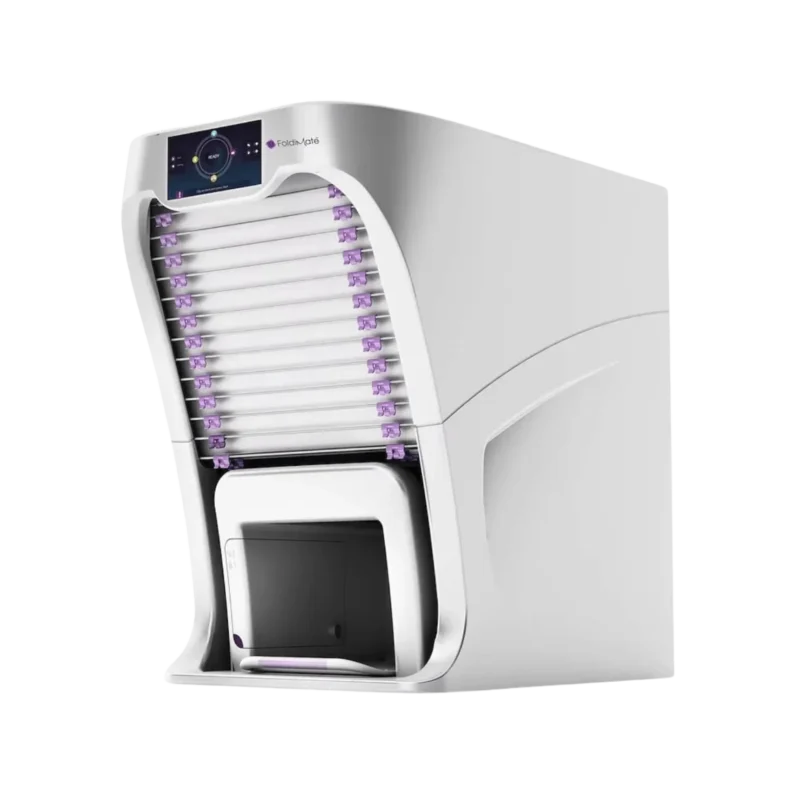
Here are quick links to the official product pages so you can see current specs and images: FoldiMate authentic, FoldiMate 2025 and FoldiMate Elite. To visualize how the 2025 version looks in a compact laundry space: 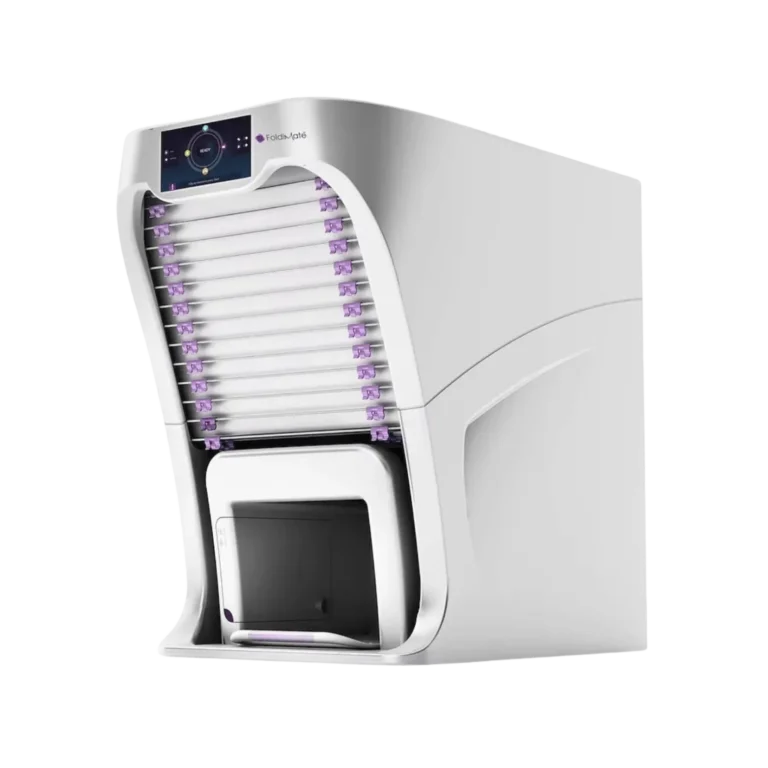
Detailed comparison table
To make decisions easier, here’s a straightforward comparison you can scan and then dive deeper into each feature. The table lists core aspects that influence daily use: speed, wrinkle control, compatible fabrics, and price. Note that actual performance depends on how you feed and treat garments beforehand.
| Model | Speed | Wrinkle control | Best for | Price (current) |
|---|---|---|---|---|
| FoldiMate (authentic) | Moderate | Good smoothing | Everyday shirts, tees, towels | $249.99 |
| FoldiMate 2025 | Very fast (approx. 3s per fold) | High (steam-assisted) | Families, compact spaces | $349.00 |
| FoldiMate Elite | Ultra-fast | Professional-level steam finish | Large households, light commercial use | $449.00 |
Real-life workflows: integrate a folding machine without friction
Think about how laundry flows through your home: wash, dry, sort, fold, store. The sweet spot for a laundry folding machine is right after drying. For best results, remove heavy wrinkles in the dryer by using dryer sheets or a short steam cycle so items enter the folding machine in a mostly smooth state. Create a small station next to your dryer where you can quickly separate socks and delicate items that won’t go into the folder. Feeding shirts consistently—collar-first or tag-first depending on the model—will minimize jams and maximize throughput.
I recommend practicing with a batch of similar items the first few times. Use only T-shirts or only towels to learn the timing and spacing. Once you feel comfortable, mix in shirts and light sweaters. For a step-by-step setting and user impressions, the official product page for the FoldiMate 2025 offers specifics about speed and fabric handling that are useful when you’re planning your setup. For a deeper read on whether a folding robot suits your home needs, see this internal article: Is a FoldiMate Laundry Machine Right for Your Home?.
Where to place the machine and how to design the space
Placement influences how often you’ll use any appliance. A folding machine works best somewhere between the dryer and storage—either on a countertop beside the dryer, mounted on the wall, or in a dedicated laundry nook. If you keep it in a closet or tucked away, remember that the hassle of moving covers and panels can kill the convenience. Measure doorways and stair clearances before buying to ensure delivery and installation are straightforward. For compact variants that fit smaller rooms, the FoldiMate 2025 highlights a smaller footprint and easier placement.
Power and water needs are another consideration. Most household models run on standard outlets; some steam-capable units require occasional refilling of a water reservoir. Keep a small shelf for distilled water and a lint brush. If you can, set up a folding station near storage drawers so folded items move directly from machine to shelf, eliminating an intermediate step. For ideas on fitting a folding robot into different home sizes, a practical comparison is available here: Which Foldimate Machine Fits Your Home Laundry Needs?.
Maintenance, common issues and longevity
Routine maintenance keeps a folding machine reliable. Wipe feeds clean of lint, empty any collection trays, and replace or clean filters if the model has them. For steam units, descale according to the manufacturer’s schedule to avoid mineral buildup. Keep the machine out of direct sunlight and avoid excessive humidity, which can promote corrosion or electrical issues. If a machine jams, consult the manual for safe clearing procedures and avoid using sharp tools inside the mechanism.
Parts wear over time—belts, sensors and rollers can degrade with heavy use. A preventative approach is to avoid overloading with bulky items and to follow fabric compatibility guidelines. If you use the machine daily for a large family, expect more frequent servicing than a household using it a few times per week. For guidance on compatibility and practical user experiences, the official pages for FoldiMate authentic and FoldiMate Elite include maintenance notes and warranty information.
Cost versus value: what the numbers mean in practice
Up-front price is an obvious factor, but the full picture includes time saved, reduced ironing, and the mental benefit of a tidier space. Prices shift with promotions, and current standard pricing for these models can be found on their product pages: FoldiMate authentic at $249.99, FoldiMate 2025 at $349.00, and FoldiMate Elite at $449.00. Think about weekly hours spent folding: if you spend two hours per week and value that time modestly, the machine can pay for itself in reduced chore time over months or years.
Don’t forget indirect savings: less ironing means lower energy use and fewer ironing board and iron replacements. Also consider the cost of space and installation; a premium model may require a slightly larger footprint or professional setup, while smaller models are plug-and-play. For buying guidance and where to find the best option for your needs, see this internal overview: Where to Buy FoldiMate: Which Model Suits You?.
Practical tips for getting the best results
Small adjustments yield big improvements. First, sort by garment type before feeding the machine: a batch of T-shirts will run faster and more reliably than a random mix. Second, check pockets and fasten zippers—these can jam mechanisms. Third, smooth out collars and cuffs by hand before feeding; pre-treatment reduces rejections. Fourth, avoid feeding wet or heavily soiled items—machines are designed to fold dry, clean garments. Finally, set up a tiny staging area for items that need hand-finishing so they don’t interrupt the main flow.
Another useful habit is to schedule one dedicated folding session per day or two. Treat the machine like a partner that performs best with predictable inputs. Over time you’ll build a rhythm: empty dryer into a basket, quickly sort and smooth, feed into the machine, then move neat stacks directly to drawers or shelves. For inspiration about daily routines with a folding robot, read this related post: Is the Foldimate Laundry Folding Robot Right for You?.
Accessories and complementary gear
Complementary tools make the entire laundry workflow more pleasant. Invest in stackable baskets or bins for pre-sorting, a small steamer for delicate finishing, and a lint brush for maintenance. If your chosen machine uses steam, keep a small bottle of distilled water nearby to avoid mineral buildup in the reservoir. A simple cart with caster wheels can make it easy to move a compact model between laundry room and storage area if you don’t plan a permanent installation.
If you occasionally need additional items or parts, online marketplaces and hardware retailers carry compatible accessories; for broader reference on laundry-related gear you might consult general retailers like Amazon France for parts and supplies or check background information on laundry practices at Wikipedia. For specific replacement parts or warranty service, the manufacturer product pages for FoldiMate authentic, FoldiMate 2025 and FoldiMate Elite are the most useful starting points.
Where to buy and what to check before purchase
Buying a folding machine is straightforward if you check a few details first: current price, warranty length and coverage, shipping and return policy, and local service options. The product pages linked throughout this guide list prices and provide official details—see the pages for FoldiMate authentic, FoldiMate 2025 and FoldiMate Elite for current offers and shipping details.
If you want to compare models in more depth before buying, this internal comparison article can help: Which Fold Mate Model Best Fits Your Laundry Needs?. Additionally, check return window policies and whether the seller offers a trial period—trying a machine in your own home is the surest way to know if it will change your routine. If you’re looking for local availability and outlets, the post Where to buy FoldiMate in 2026? provides up-to-date options and tips for finding deals.
Common misconceptions and honest drawbacks
Two myths often mislead buyers: first, that a folding machine removes all need for human input, and second, that one machine fits every garment type equally well. In reality, these machines excel at specific categories of clothing—mainly everyday woven and knit fabrics—but struggle with large, irregular items, very delicate pieces or garments with extensive hardware and embellishments. You’ll still need to handle delicates, hand-wash items and certain garment repairs. Another realistic drawback is noise and space: some models produce mechanical sound and need a designated footprint. If your living environment prioritizes quiet or you have extremely limited space, plan placement carefully and consider compact variants such as the FoldiMate 2025.
Case studies: how different households used a folding machine
Household A: A family of four with two working parents replaced evening folding sessions with a single ten-minute routine after dinner. They used a FoldiMate 2025 and reported clearer drawers and fewer arguments about chore division. Their learning curve involved training children to empty pockets and match socks before feeding items into the unit.
Household B: A single professional living in a small apartment used a FoldiMate authentic to keep work shirts and casual wear neat. The machine saved weekly ironing time and made it simpler to prepare outfits for travel. Their main challenge was finding a permanent spot small enough for the footprint, which led them to place the unit on a narrow shelf in the laundry closet.
Household C: A small bed-and-breakfast adopted a FoldiMate Elite to keep linens and guest towels consistently folded. The higher throughput justified the premium price because it reduced staff hours and improved the visual presentation in rooms. They scheduled routine maintenance to match heavy daily cycles.
FAQ
Will a laundry folding machine replace ironing?
Not completely. Many folding machines include steam or smoothing features that reduce wrinkles substantially, but crisp, heavily structured garments or formal wear still benefit from a traditional iron or professional pressing. For day-to-day shirts and casual wear, the wrinkle reduction is often sufficient to skip ironing most of the time.
Can the machines handle different fabric types?
They handle many common materials—cotton, polyester blends, light knits and towels—quite well. Heavy denim, very slippery synthetics, and delicate lace can be problematic. Always check the manufacturer’s fabric guidance. The product pages for the FoldiMate authentic, FoldiMate 2025 and FoldiMate Elite include compatibility notes.
How noisy are these machines?
Noise levels vary. Compact units are generally quieter than industrial-grade ones, but all produce mechanical sound while operating. If you plan to run the machine at night, test it briefly in your environment or place it on vibration-damping feet to reduce transmitted noise.
Are they hard to maintain?
Maintenance is usually straightforward: lint removal, occasional filter or reservoir cleaning, and following wash-and-care recommendations. For steam models, periodic descaling keeps performance steady. Keep a simple toolkit and follow the manufacturer’s maintenance schedule found on their product pages.
Where can I learn more or compare models?
You can read user-focused comparisons and convenience tips on related posts like Where to Buy FoldiMate: Which Model Suits You? and Is Foldimate the Best Laundry Folding Robot for You?. Also consult the official product pages for the most up-to-date specs: FoldiMate authentic, FoldiMate 2025, FoldiMate Elite.
Final thoughts: is a laundry folding machine right for you?
If you value reclaimed time, prefer consistently neat drawers and want to reduce routine ironing, a laundry folding machine can make a meaningful difference. The best return comes when the device fits into a realistic workflow—placed where you actually do laundry, matched to the types of garments you fold most often, and maintained on a small schedule. Start with clear expectations: some items will still need human attention, but many of the everyday items that make up the bulk of family laundry can be handled quickly and consistently.
For a balanced, model-by-model decision, review the product pages linked above and consult related posts such as Which Foldimate Machine Fits Your Home Laundry Needs? and Is the Foldimate Laundry Folding Robot Right for You?. If you’re ready to explore current offers and product details, check the pages for FoldiMate authentic, FoldiMate 2025, and FoldiMate Elite for current pricing and specs.
Choosing the right machine is about matching capability to your daily habits. If you pick a model suited to the garments you handle most often and place it where it’s most convenient, you’ll likely find yourself saving minutes that add up to hours over months—a small lifestyle upgrade that pays off in simple, everyday ways.