Blog
Which Laundry Folding Machine Fits Your Home Best in 2026?

Deciding whether a laundry folding machine belongs in your home feels like a small domestic revolution. You picture countertops cleared, laundry baskets lighter, and shirts that actually stay neat in drawers. That vision is achievable with the right machine, but the choice depends on how you live, how you wash, and what you expect from automation. In this guide I share hands-on insight into what these machines do, how they change daily routines, and how to match a model to real-life needs. I’ll walk through everyday scenarios—families with school uniforms, single professionals who value time, people who run small clothing businesses—and explain which model makes sense for each. Along the way I’ll introduce the three FoldiMate options available today, show side-by-side differences, and offer practical tips for placement, set-up, and maintenance so the machine actually earns its place in your home. If you want to end the cycle of folding as a chore, this article will help you pick a laundry folding machine that fits your life.
Why consider a laundry folding machine at all?
Many people first notice the appeal when they’re exhausted by the sheer volume of clothes to fold. Folding isn’t hard, but it’s repetitive and time-consuming; when laundry piles up it adds mental clutter as well as physical clutter. A laundry folding machine can reclaim that time—minutes saved per load add up quickly across weeks and months. Beyond time, there are consistent quality benefits: machines reduce user-to-user variation in fold size and shape, deliver consistent results that make drawers and shelves look tidier, and some models even address wrinkles with light steam or smoothing. For families with children, quicker folding reduces missing-sock chaos and helps keep uniforms in order. For people running small e-commerce clothing operations or short-term rental properties, a steady standard of presentation is valuable. The decision to buy should weigh time savings, space, household rhythm, and budget. If you already outsource ironing or use a laundry service, compare those ongoing costs against a one-time purchase to see family-specific value.
Beyond time and neatness, a machine can change how you organize laundry. You may switch from frequent small loads to fewer full loads because the bottleneck—folding—has been removed. That can mean different detergent use, altered drying schedules, and a smaller physical footprint of baskets. For people who struggle with mobility or joint pain, automated folding reduces strain. If you’re unsure whether it’s worthwhile, consider a short experiment: time yourself folding a typical basket for a week, tot up minutes and ask whether those minutes could be better spent. Many readers find the math persuasive once they consider non-monetary value: less stress, cleaner surfaces, and clothing that’s easier to grab and go.
How laundry folding machines actually work (and what to expect)
At a basic level, these machines accept garments, identify their shape or type either mechanically or with simple sensors, and then fold them using a combination of guides, clamps, and conveyor-style mechanics. Some models add light pressing or steam to reduce creases. The result is a folded garment ready to place in a drawer or stack. Expectations should be realistic: machines are great at common items—T-shirts, pants, towels, and casual shirts—and they dramatically speed up throughput for those items. They tend to need special care for delicate fabrics, items with heavy embellishment, or irregular shapes. A few minutes of pre-sorting—separating bulky towels, small items like socks, and delicate pieces—makes the machine work much more smoothly. If you want near-perfect presentation for dress shirts or heirloom garments, you may still prefer hand finishing or a dedicated iron, but many high-end models bridge that gap well enough for everyday wear.
Another important practical detail is throughput and cycle time. Different machines process at different speeds—some claim a few seconds per fold, others take longer but handle a wider range of garments. Consider how often you’ll run the machine: is it a handful of loads per week, or daily rotation for a large family? If speed matters, a model that advertises quick folds will reduce queueing; if fabric range matters more, look for multi-fabric compatibility and gentle steam features. Real-life use also reveals how noise, footprint, and ease of unloading affect satisfaction. Machines that require frequent adjustments, special detergent choices, or complex maintenance tend to be less-loved over time. I’ll dig into these aspects when we compare models, and I’ll point you to specific FoldiMate options that address different priorities.
Introducing the FoldiMate line: options and promises
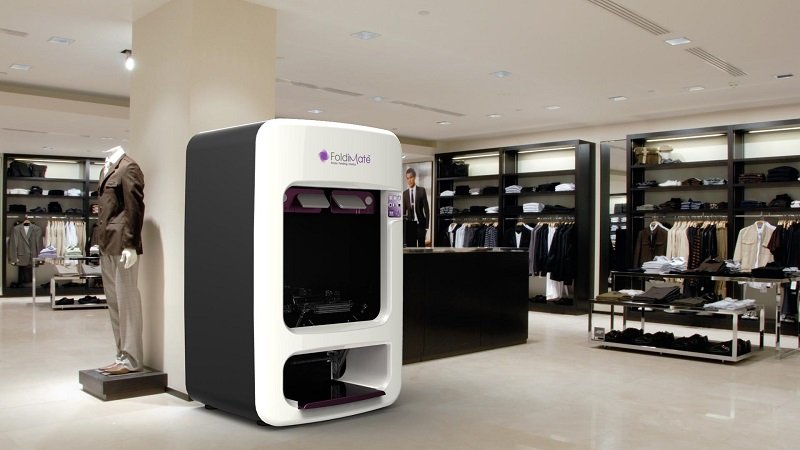
There are three FoldiMate models worth looking at depending on your priorities. The FoldiMate – The authentic automatic laundry folding machine and robot is the entry option that brings automatic folding at an attractive price point and a compact footprint. For those seeking faster folding and professional ironing capability, the FoldiMate Elite steps up with high-performance motors and a gentle steam finish. If you want the latest balance of speed and compactness, the FoldiMate 2025 brings improved sensors and a quicker fold cycle. Below you’ll find a practical comparison of capabilities, followed by guidance on matching each model to real-life needs and spaces. I’ll include images so you can imagine how each one will sit in a laundry room, closet, or multi-purpose space.
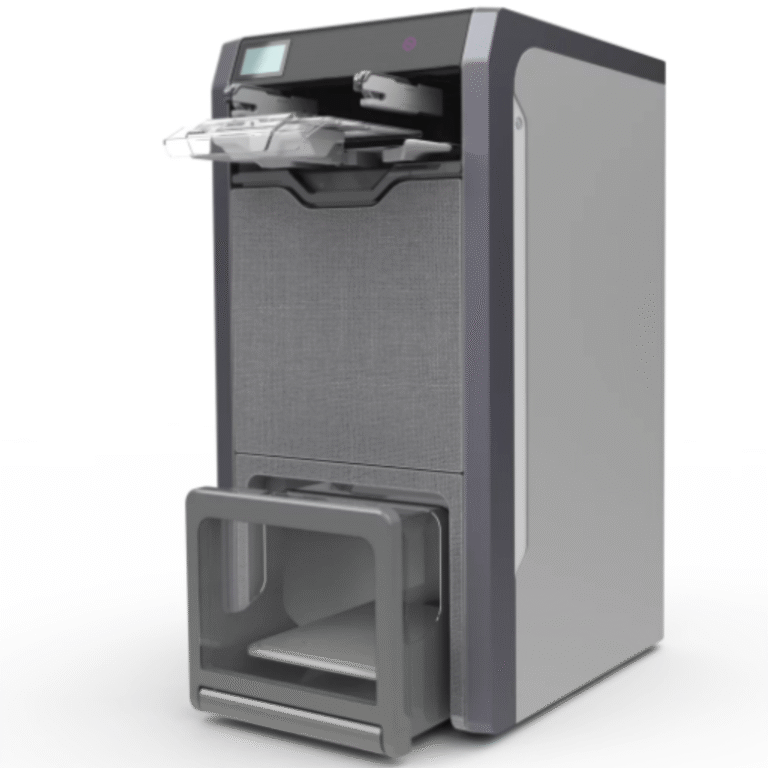
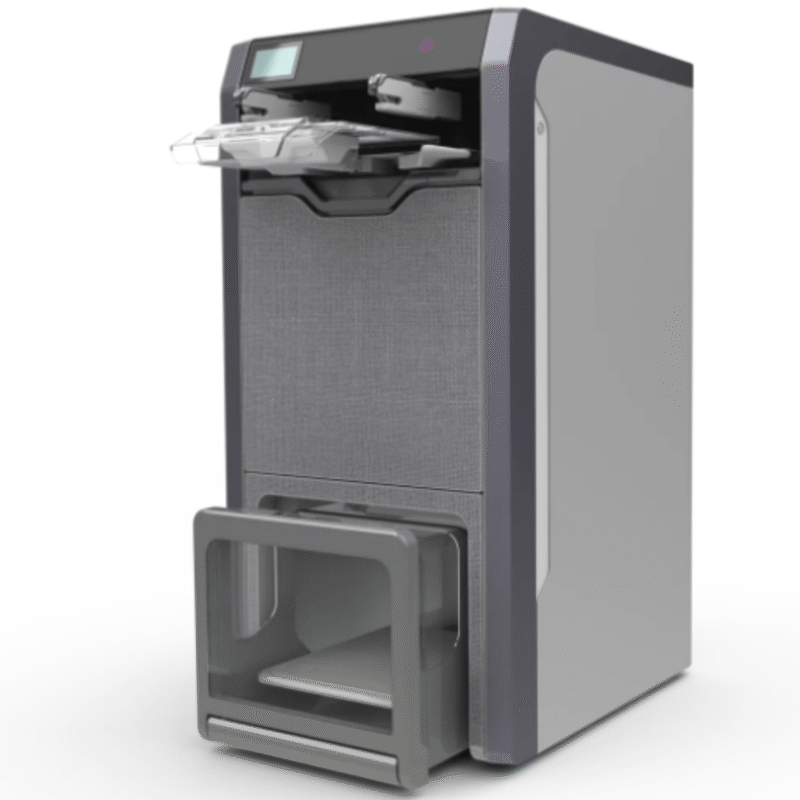
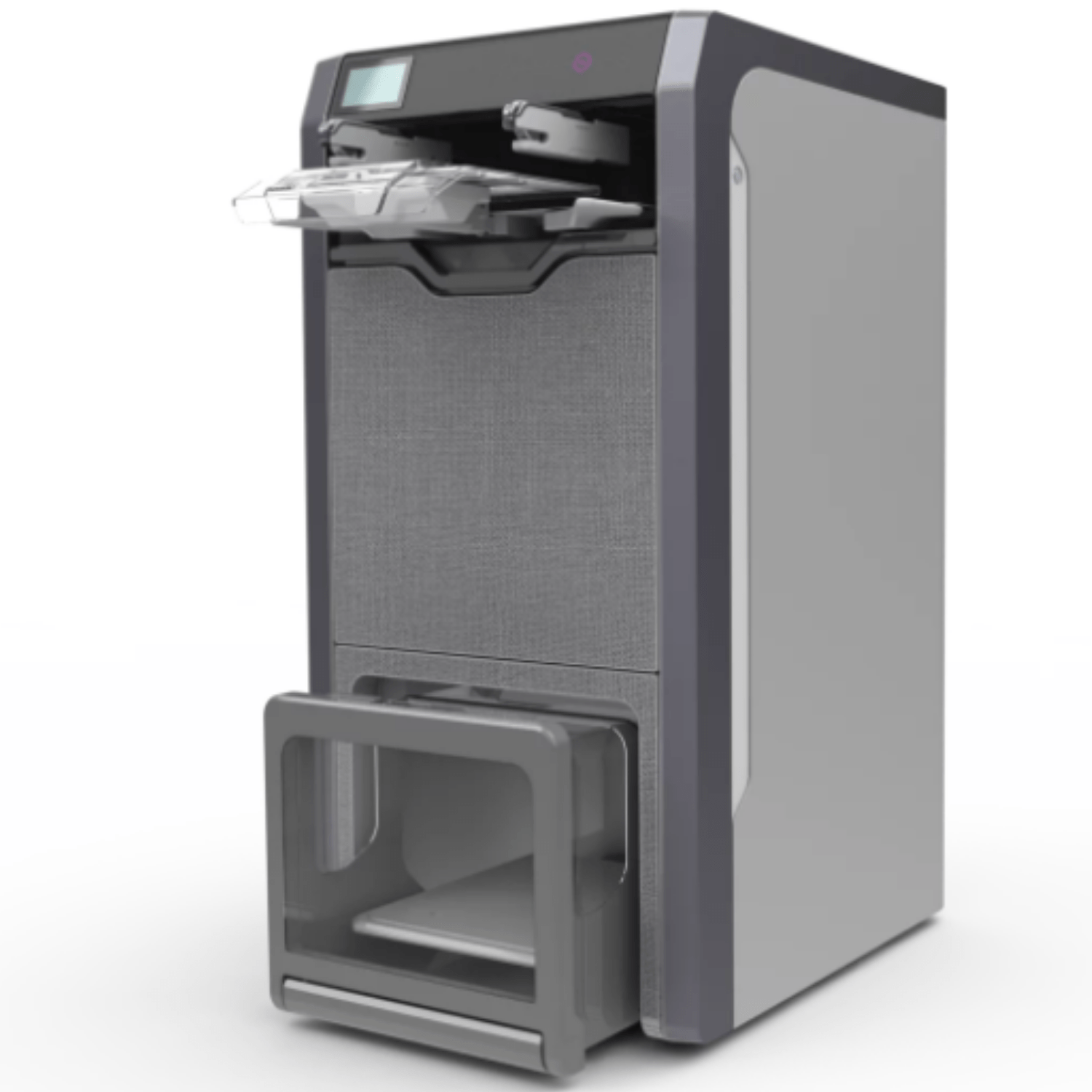
The authentic FoldiMate model offers a clear entry point. For households curious about automation without committing to a high-end price, it demonstrates what automatic folding can do. Its strength is simplicity: straightforward controls, consistent folding for everyday garments, and a price that makes the technology accessible. If you want to trial automation and see how much time you actually save, this model is often the place to start. Pair it with a routine—like feeding shirts as you take them out of the dryer—and you’ll discover how quickly it integrates. I recommend reading the supply and user notes accompanying the machine to understand fabric limits and best practices for loading, which reduces jams and yields better folds.
Comparing the three FoldiMate models in practice
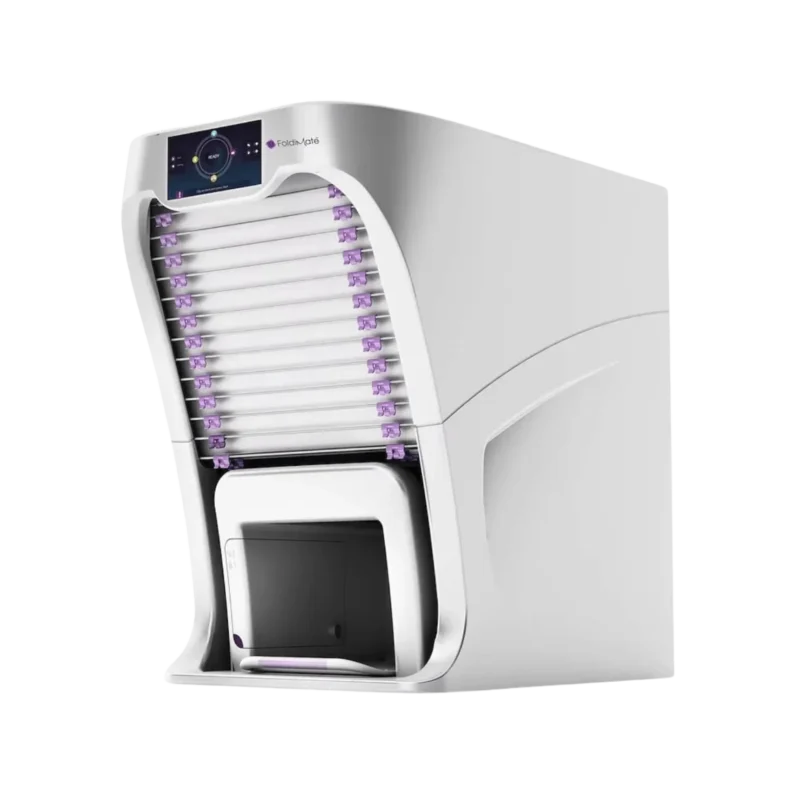
When choosing among the three, look at three practical dimensions: speed, fabric handling and finish, and footprint/usability. Speed matters if you’re processing many garments per day; fabric handling tells you how much pre-sorting you’ll need; and footprint determines where you can place the unit in your home. The FoldiMate 2025 advertises rapid folds and a compact chassis, which suits apartments or shared laundry spaces. The FoldiMate Elite emphasizes wrinkle reduction and a professional finish, valuable for shirts that need a crisp look. The original FoldiMate balances price and practicality, ideal for families who want consistent everyday folding without premium extras.
| Model | Approx. price | Strength | Best for |
|---|---|---|---|
| FoldiMate (Original) | $249.99 | Reliable, affordable, compact | Families and first-time buyers |
| FoldiMate 2025 | $349.00 | Fast, compact, modern sensors | Apartments and busy households |
| FoldiMate Elite | $449.00 | Professional finish, steam ironing | Professionals and garment-conscious users |
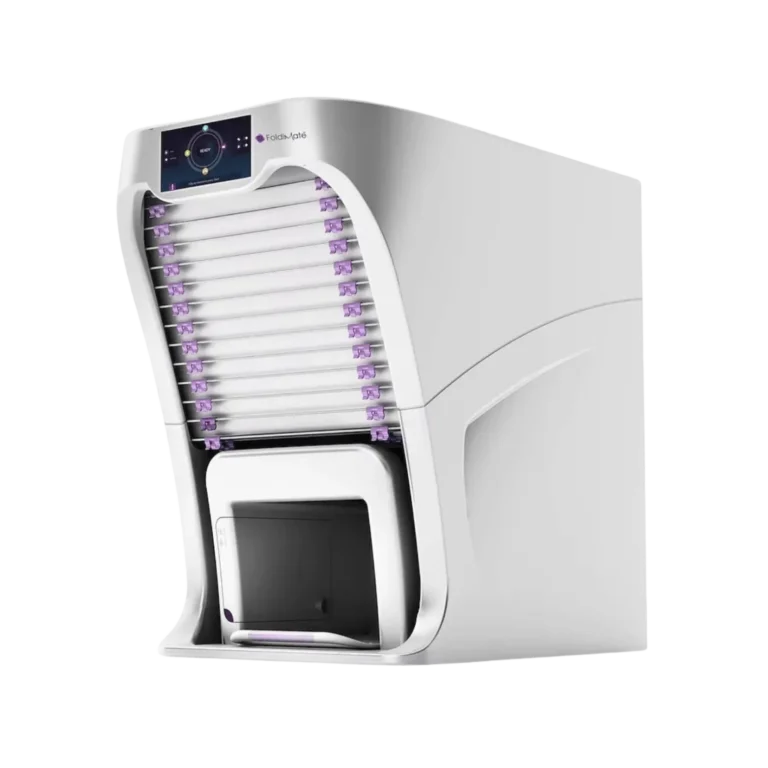
Reading user reports and testing in context reveals preferences. For example, a two-parent household with three kids often values the original FoldiMate because it removes a chronic choke point—folding—without excessive cost. An apartment dweller who values pristine shirts leans toward the Elite for its ironing and steam features. Rental hosts or small boutique owners who need fast turnaround and consistent presentation often choose the 2025 for its speed and compactness. When you look beyond headline claims to how each model fits a daily routine, the best choice becomes clearer. I’ll now share concrete use scenarios so you can imagine how a machine will live alongside your habits.
Everyday scenarios: matching model to household needs
Scenario 1 — Busy family with school uniforms. Folding a week’s worth of uniforms is tedious; uneven folds mean shirts take more drawer space and pants get wrinkled. The original FoldiMate handles T-shirts and pants consistently, letting parents reclaim hours each week. Use the machine as a station: one person feeds, another stacks. Pre-sorting uniforms by child or size before folding makes unloading faster. Scenario 2 — Professional who needs sharp shirts. If you want your button-ups crisp and door-ready, the FoldiMate Elite with steam finishing will reduce the final ironing step and give a more pressed look. Scenario 3 — Small laundry-run business. For light commercial use or boutique staging, the fast cycle of the FoldiMate 2025 cuts turnaround time, and its compact shape keeps workspace space-efficient.
These scenarios underscore a recurring theme: integration into routine matters more than any isolated specification. Think about where you will place the machine—near your dryer or mounted on a wall?—and how you’ll feed it: a small table for sorting can be a game-changer. Also, consider how much you’ll rely on automation. Occasional users might choose a simpler unit, while daily heavy users invest more in a higher-spec model. I recommend testing placement in the space you intend to use before finalizing the purchase; many people discover that a short trial run reveals small but important ergonomic changes, like raising the outlet height or adding a low shelf for stacking folded items.
Practical setup, placement and daily workflow
Think of the machine as part of a micro-workflow. The most successful setups are deliberate: a washing-to-drying-to-folding pipeline that minimizes handling. Ideally, place your machine close to where clothes are removed from the dryer, or in a mudroom if folding happens as garments enter the home. If space is tight, the compact FoldiMate 2025 can be wall-mounted or tucked onto a dedicated shelf. Lighting matters; a well-lit area makes it easier to spot misfeeds or fabrics that need special treatment. Also plan for a short basket or shelf next to the machine to stack folded piles by family member, garment type, or destination room. This small organization step makes unloading intuitive and keeps drawers orderly.
Routine tips that save frustration: always check pockets and secure zippers before feeding garments; flatten collars and remove bulky objects; and group heavy towels separately since they may slow throughput. If you expect frequent use, keep a simple maintenance kit nearby—a soft brush, a lint roller, and a troubleshooting card with quick-reset instructions. For households with pets, periodic lint clean-up is important. The manufacturers include cleaning and maintenance guidelines; follow them, and you’ll avoid many headaches. If you want detailed user-level comparisons of whether a folding device is worth it for your home, see related reading like Is an automatic clothes folder worth it for your home? and Is a Foldimate Laundry Machine Right for Your Home? which explore real-world value.
Maintenance, troubleshooting and lifespan expectations
Long-term happiness with a laundry folding machine hinges on routine upkeep and knowing common issues. Regularly remove lint, check feed belts, and follow the manufacturer’s guidance for steam system care if you own a model with ironing features. A few preventative actions go far: clear the feed path weekly, empty any lint traps, and run a self-clean or maintenance mode monthly if offered. Expect wear items such as belts and brushes to need replacement over several years; the cost is usually modest compared with professional service or replacement. Keep the machine in a dry, ventilated space away from direct sunlight to preserve sensors and plastic parts. If a jam occurs, power down, consult the quick-reset instructions, and gently clear the jam following images or video guides—these simple steps resolve the majority of issues.
When evaluating lifespan, consider your pattern of use. A daily heavy-use environment will shorten time between service intervals compared to occasional household use. Many users report multi-year trouble-free operation with routine cleaning and proper placement. If you’re buying for a small business or heavy-duty use, factor in a slightly accelerated maintenance schedule and check warranty or support options. If you want additional detail about long-term value and price expectations, our piece on pricing and value What is a reasonable clothes folding machine price? offers helpful perspective.
Real numbers: time savings and cost perspective
It helps to think in minutes saved. Folding a medium basket manually might take 20–40 minutes depending on how meticulous you are and the types of garments. If a machine reduces that time to 5–10 minutes plus a few minutes of sorting, then you save roughly 15–30 minutes per basket. Multiply by the number of baskets per week to see annual time regained. Financially, compare the cost of the machine to what you’d spend on alternatives—laundry services, ironing shops, or the opportunity cost of your time. For some households, the original FoldiMate recoups its value in a year or two when you count convenience and reduced outsourcing. For professionals or heavy users, the premium models like the FoldiMate Elite justify their price with higher throughput and finish quality.
Remember that time is not the only benefit: improved garment longevity (less aggressive manual handling), consistent presentation, and reduced frustration factor all add intangible value. If you’re trying to decide based on dollars alone, make a short ledger: tally your current weekly hours spent folding, assign a value to that time, add recurring laundry service costs if any, and compare to machine price and a conservative estimate of maintenance. That exercise makes the financial picture concrete and helps you choose a model that fits both head and heart.
Where to buy and what to check before purchase
Buying from an authorized retailer ensures support and valid warranty coverage. You can find official product pages for each FoldiMate option which include current pricing and purchase options: the FoldiMate original, the FoldiMate Elite, and the FoldiMate 2025. Before purchase, check return policy, warranty length, and support options. If possible, read user reviews and watch demonstration videos to validate claims about speed and fabric handling. For broader context about whether a machine fits home needs, review related articles like How Can Auto Folding Clothes Machines Simplify Your Laundry? and Which Fold Mate Model Best Fits Your Laundry Needs?.
Also explore local retailers that may offer hands-on demos or allow returns if the device doesn’t match your expectations. If you purchase online, ensure tracking, sealed packaging, and that accessories (power cords, cleaning tools, quick-start guides) are included. For additional reading about where to buy and current availability, our page Where to buy FoldiMate in 2026? lists up-to-date options and purchase tips. Finally, consider delivery logistics: will the unit fit through doorways, and do you need help placing it in its permanent spot?
Practical tips to get the most from your machine
Small habits make a big difference. Keep a simple sorting tray beside your dryer to separate items that go straight to the machine from those that require hand care. Feed garments in a steady rhythm rather than rush-feeding, and take a few seconds to smooth collars or cuffs to improve the final fold. Use garment grouping—stack items by family member or type as they come out of the dryer—so that unloading the machine becomes an organized transfer into drawers. If your model offers steam, empty and descale the water system as recommended to preserve performance. Keep a short troubleshooting guide nearby for quick reference; many users resolve feed issues without needing support simply by following a couple of reset steps.
One useful practice is to create micro-routines around the machine. For example, make folding a two-person task: one person feeds, another stacks and puts away. That turns a solitary chore into a shared, brief activity. If you live alone, feed the machine while you prepare coffee and you’ll find the time almost disappears. Finally, embrace small customizations: add labeled baskets for folded piles, or set a weekly schedule so laundry doesn’t become a last-minute rush. These organizational changes are often the true multiplier of benefit; the machine does the folding, and your system ensures the results stay useful.
FAQ
Will a folding machine handle delicate fabrics?
Most machines handle common everyday fabrics well, but delicate or heavily embellished garments require care. Check the model’s fabric list, and pre-sort delicate items for hand folding or special treatment. For steam-enabled models like the FoldiMate Elite, follow water and steam recommendations to avoid damage.
How noisy are these machines?
Noise varies by model and use case. High-throughput models can be more audible during cycles, but most are designed for home environments. If you plan to place the unit in open living areas, test in-store or review user videos. The compact FoldiMate 2025 tends to be engineered for quieter operation while maintaining speed.
Do they save money over time?
They can, depending on your alternatives. If you regularly pay for laundry or ironing services, a machine may offset those costs over time. Even without direct savings, many users value the time returned and reduced stress, which counts as real household value.
What happens if a garment jams?
Most units include quick-reset procedures and accessible panels for safely clearing jams. Power down the machine, follow the instructions, and clear fabric gently. Keeping garments prepared—empty pockets and securing fasteners—minimizes jams.
Further reading and trusted sources
If you want broader context on fabric care and garment longevity, general references like Wikipedia provide background on textile care principles. For product availability and customer reviews, marketplaces like Amazon can provide user experiences, and home improvement marketplaces such as ManoMano sometimes list compatible delivery and installation options. I also recommend checking manufacturer pages and our related articles to see current pricing, model updates, and hands-on reporting before making a final choice.
Conclusion: picking the right model for your life
Choosing the right laundry folding machine comes down to fitting the device into your household rhythm. If you want an affordable entry point with consistent folding results, the FoldiMate (original) is a pragmatic start. If you prioritize speed and a compact footprint, the FoldiMate 2025 is built to move quickly and save space. If finish and presentation are paramount, the FoldiMate Elite delivers a more polished ironed look. Think about where you’ll place the unit, how you’ll integrate it into your routine, and what level of finish you need. Small changes in daily workflow often multiply the machine’s benefits far beyond raw specs. If you want more detailed comparisons, try our model-specific guides like Which Fold Mate Model Best Fits Your Laundry Needs? and real-world stories in Is an automatic clothes folder worth it for your home?. Ultimately, the best machine is the one that becomes an effortless part of your day.