Blog
Is a washing machine that folds clothes worth it today?

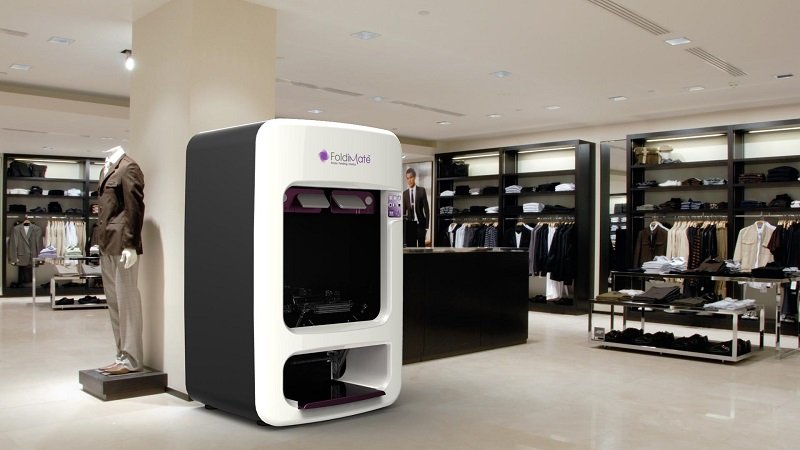
Imagine finishing a cycle, walking over to a machine that not only dries but also folds your shirts and pants neatly, leaving you with a small, perfectly stacked pile ready to put away. For many households that image no longer belongs to science fiction. The idea of a washing machine that folds clothes—or a companion folding robot placed beside your laundry area—promises to shave minutes or even hours off weekly chores. In this long, practical guide I walk you through how these devices work, who benefits most, and how to pick a model that truly fits your home. I also introduce three available FoldiMate options and explain real-life considerations like space, garment types, and maintenance so you can decide whether this investment matches your routine.
How modern folding machines actually handle your laundry
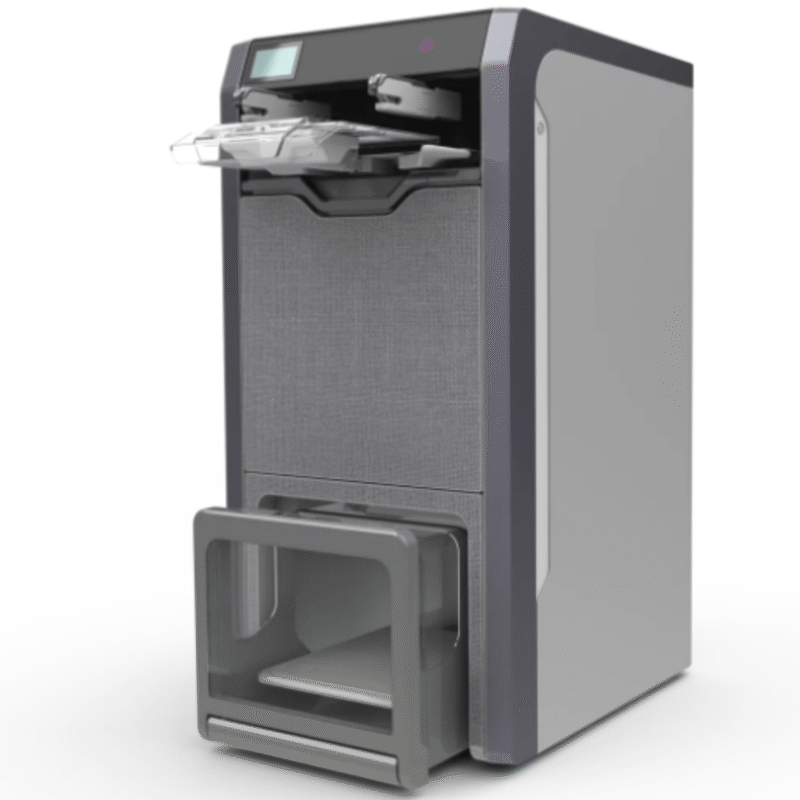
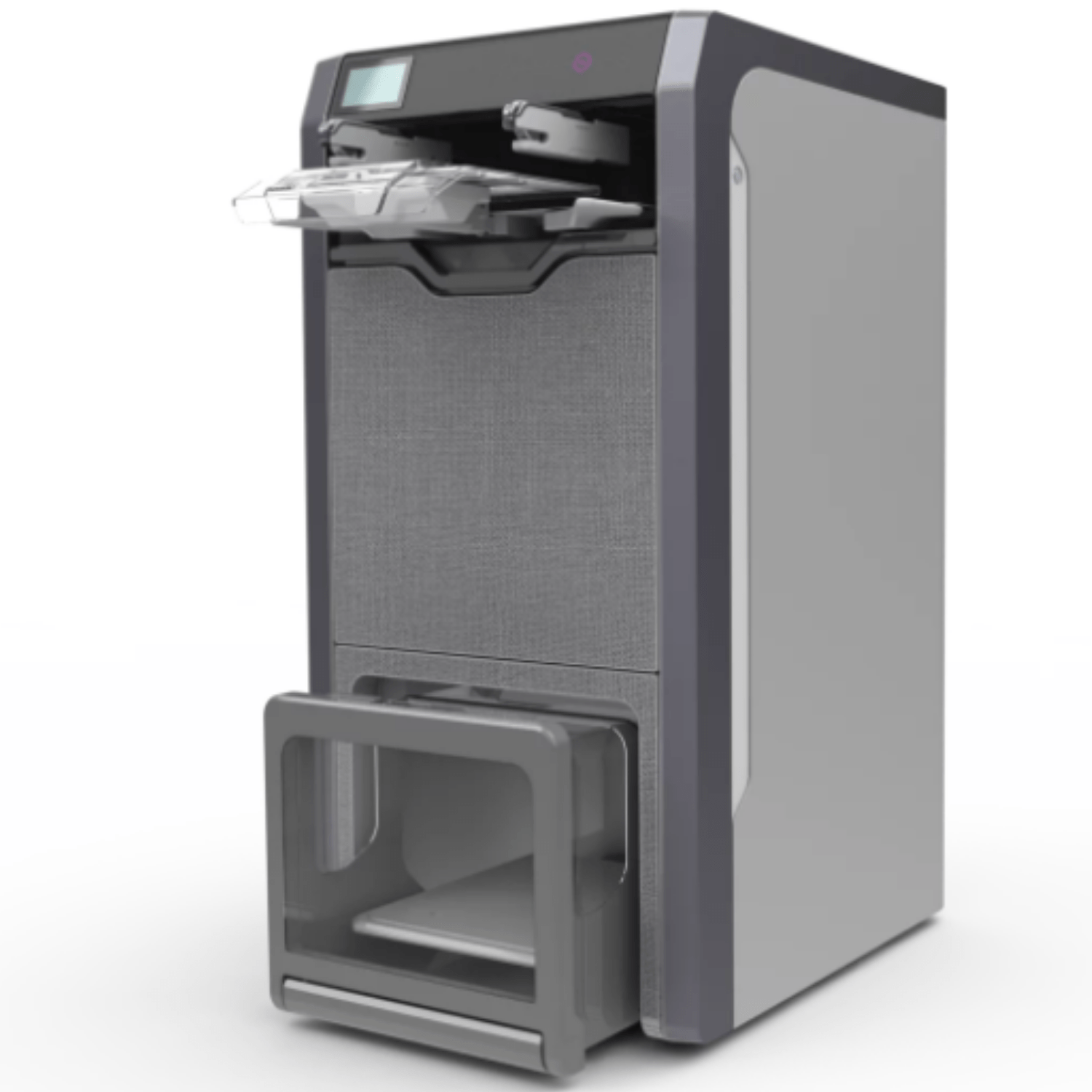
At first glance, a machine that folds clothes looks like a tidy box with a slot for garments. Under the hood it’s a choreography of grips, sensors, and gentle motions designed to treat fabric carefully while producing uniform results. These devices typically require you to present shirts, pants, and T‑shirts one at a time; internal arms or conveyors straighten the item, apply a measured flattening action, and fold in predefined panels so each piece exits in a neat rectangle. Some models add a steam cycle to reduce wrinkles; others focus purely on speed and compactness. A good example of the technology currently on the market is the FoldiMate – The authentic automatic laundry folding machine and robot. Its balance of simple operation and reliable folds makes it an approachable entry point for many families: 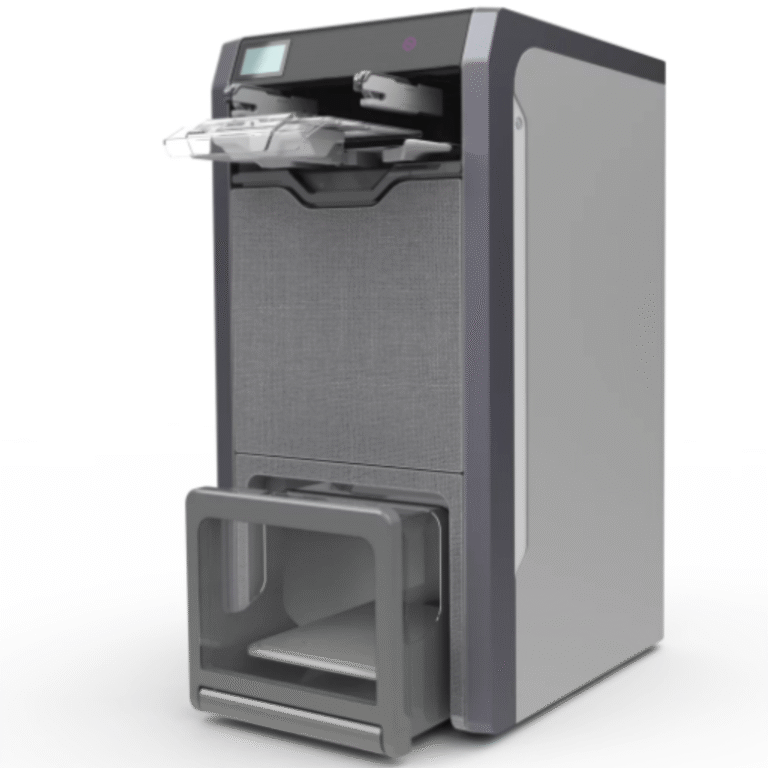
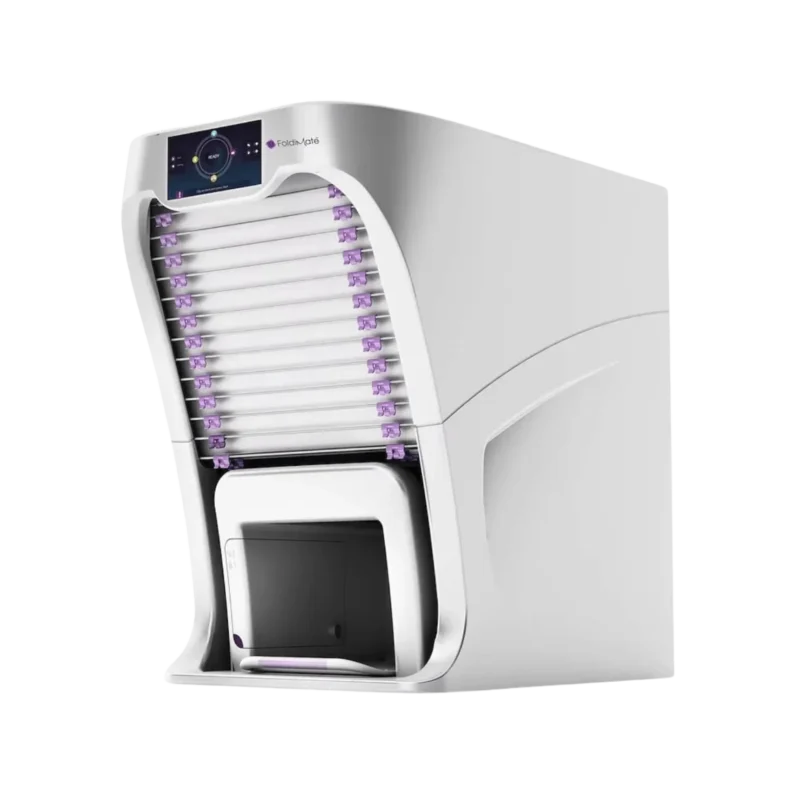
Beyond the mechanics there are three design choices you’ll find across models: speed per garment, garment-type compatibility, and whether ironing/steaming is included. For example, the FoldiMate 2025 targets speed with claims like “3 seconds per fold” and enhanced wrinkle removal, while the FoldiMate Elite emphasizes a high-performance motor and professional steam ironing for a more finished look: 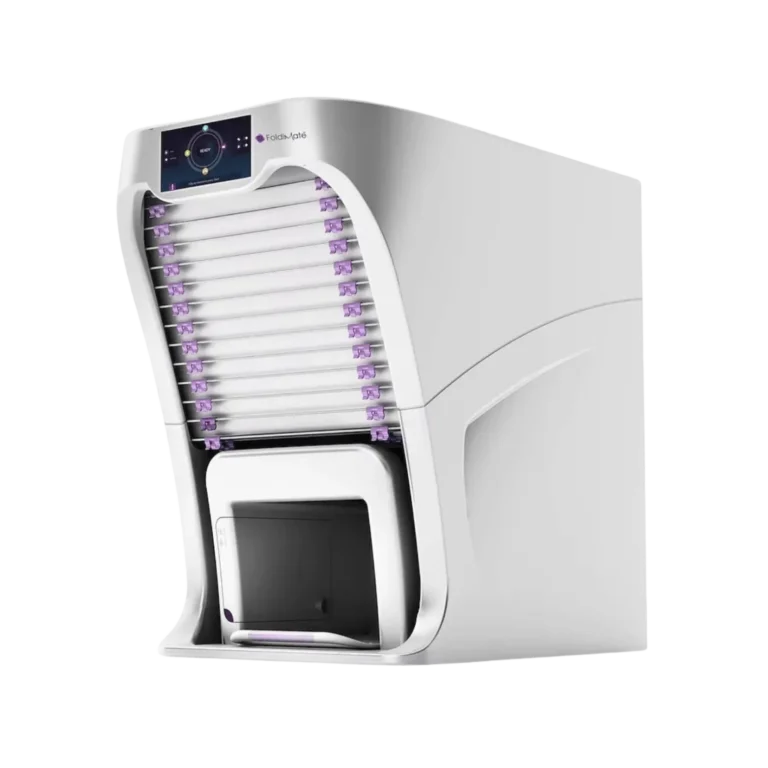
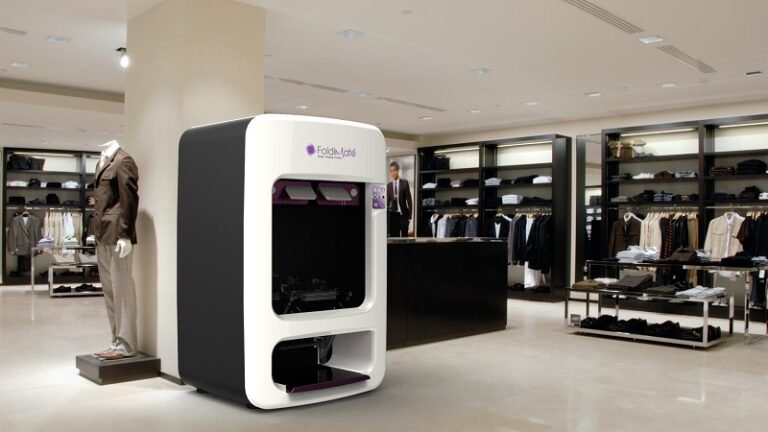
Benefits you can expect in daily life
When you ask whether a washing machine that folds clothes is worth it, start by listing tangible benefits you care about. Time saved is the headline: folding a full household load by hand can take 20–45 minutes; an efficient folding device turns that into a handful of minutes. Beyond time, a machine produces consistent results—uniform stacks, shirts folded to a predictable size, and fewer creases if steam is part of the process. That consistency helps families streamline storage, reduces the time spent smoothing garments before use, and makes packing for travel or work simpler. Seniors or people with limited mobility often find these machines transformative because they remove one repetitive physical task. Small businesses such as short‑term rental hosts and boutique laundromats may also value the repeatable quality and speed.
There are other less obvious gains: habit change and mental overhead reduction. A neat stack of folded clothes is a small psychological win that reduces the friction of household organization. For busy parents, folding may be the task that never happens; outsourcing it to a machine means fewer piles of clean laundry floating around. That said, the benefit varies greatly with family size, wardrobe composition, and the amount of time you currently invest in folding. If you already have a partner who enjoys folding, a machine is less likely to provide a big lifestyle shift. For independent households with limited free time, the change can be substantial.
Limitations and trade‑offs to weigh
No product is perfect. Folding devices handle many common items well—T‑shirts, casual shirts, pants, and towels—but they usually struggle with delicate fabrics, very small garments (like baby socks), and bulky outerwear. If your wardrobe includes a lot of knitwear, sweaters, or heavily textured items, manual finishing may still be necessary. Steam functions help with wrinkles but are not a full replacement for a garment steamer or conventional iron when you require crisp creases for dress shirts. Another trade‑off is space: even compact models require floor or counter room and a nearby outlet. Noise during operation is typically moderate; if your laundry setup shares a wall with living spaces, try to evaluate sound levels in person or check detailed tests in reviews.
Cost is also a factor. Folding machines add an upfront expense, and the best choice depends on how you assign value to saved time and reduced effort. The three FoldiMate models mentioned here present different price/value positions: the authentic FoldiMate is often marketed at a lower current price point, while the FoldiMate Elite and FoldiMate 2025 push toward faster speeds and integrated steam. Think about long‑term use: if this machine will get daily work in a family of four, you may recoup the investment faster than if it sees occasional use in a single‑person household.
Which model suits different lifestyles?
Picking a model comes down to three simple questions: How often will you use it? What garments do you fold most? How much space can you dedicate? For a small apartment or a couple that wants tidy stacks without added bells, the original FoldiMate often hits the sweet spot between price and convenience. It’s compact and approachable for users who want automation without a steep learning curve. For households where speed matters—large families, shared houses, or small businesses—the FoldiMate 2025 is designed to accelerate throughput and improve wrinkle removal. If you prioritize the most finished look with professional ironing performance, the FoldiMate Elite aims at that audience with enhanced steam and motor power.
Consider also how much hands‑on time you accept. Some models require minimal intervention beyond feeding garments; others ask you to pre‑sort or smooth items before feeding. If you frequently wear dress shirts and need near‑perfect results, expect to pair the folding machine with occasional touch‑ups. For casual wardrobes dominated by T‑shirts and jeans, machines are particularly effective. To explore the broader context and determine if a FoldiMate unit fits your routine, you can read related perspectives like Is a Foldimate Clothes Folding Machine Right for You? and How can a clothing folding machine simplify your laundry routine?.
Placement, installation and daily workflow
Effective use is often about setup. Give the machine a stable surface or a dedicated spot where you can stage dried laundry nearby. Measure the footprint and allow clearance for intake and output so you don’t constantly move it. For electrical safety, plug directly into a grounded outlet—avoid daisy‑chaining heavy appliances. If your laundry room is small, consider stacking options or placing the unit along an unused wall. The FoldiMate 2025 was built with compactness in mind, which helps in tighter spaces; the original FoldiMate and FoldiMate Elite have slightly different footprints to balance features and ergonomics.
Workflow matters too. A common setup is: dry clothing, sort quickly by type (shirts, pants, towels), then feed items into the folder in short sessions. That prevents long queues and keeps results consistent. Keep a small bin for items that need hand finishing—delicates, items with buttons, or oddly shaped pieces. Regular maintenance—emptying lint traps if present, wiping rollers, and occasionally running a gentle cleaning cycle—keeps the machine performing well. For installation accessories and small parts, you can check marketplaces such as Amazon.fr or hardware suppliers like ManoMano if you need brackets or stands.
A clear comparison to help decide
Comparing models side by side helps remove guesswork. Below is a simple table that highlights the main differences between the three FoldiMate options discussed. Focus on the parts that matter to you—speed, finish, and fabric compatibility—rather than marketing blurbs. The table is a practical snapshot, and after it I’ll explain how to interpret each line for your needs.
| Model | Best for | Speed | Wrinkle reduction | Current price |
|---|---|---|---|---|
| FoldiMate (authentic) | Entry users, small households | Moderate | Good | $249.99 |
| FoldiMate 2025 | Fast throughput, families | Very fast (≈3s/fold) | High (steam enhanced) | $349.00 |
| FoldiMate Elite | Professional finish, heavy use | Fast | Very high (professional steam) | $449.00 |
Interpreting this: if your priority is price and occasional convenience, the authentic FoldiMate is attractive. If throughput or wrinkle removal is essential—think larger families or frequent outfit preparation—look at the 2025 or the Elite. For extra detail on whether a FoldiMate is right for your habits, this article Is the Foldimate Laundry Folding Robot Right for You? offers a closer look at everyday use cases.
Cost vs. time: a practical calculation
To decide if a washing machine that folds clothes is worth it, convert your time into a tangible unit. Estimate how many minutes you spend folding per week, then decide what value you place on that time. For example, if you spend 30 minutes per week folding and value your time at $15/hour, you spend roughly $3.75 worth of your time weekly on folding. Over a year that’s nearly $195. If the machine saves 75% of that time, you reclaim about $146 of time value annually. Compare that to the current prices for the models: the FoldiMate at $249.99, the FoldiMate 2025 at $349.00, and the FoldiMate Elite at $449.00. This shows payback times vary widely depending on your valuation of time, frequency of use, and the model you choose.
Beyond time savings, consider secondary returns: less loss of garments to careless storage, fewer wrinkles requiring ironing, and potential resale value. A machine that keeps clothes neater might reduce wear on delicate fabrics, and for hosts of short‑term rentals the faster turnover can translate to higher guest satisfaction. If you’d like a closer cost breakdown that considers family size and frequency, check the article Which Folding Machine Is Best for Your Home Laundry? for scenario comparisons.
Maintenance and longevity: what to expect
Treat these machines like other home appliances: regular, simple maintenance extends life. Clean sensors and surfaces periodically, check and remove lint build‑up, and follow manufacturer guidance for steam or water reservoirs. Parts like belts and rollers may require occasional replacement under heavy use; service networks and spare parts availability differ by brand and model. The more premium models often include robust components and longer warranty options. If you plan to use the folding machine as a daily workhorse, budget for potential service down the line. For tips on everyday care, the short guide Is an ironing and folding machine right for your home? covers practical upkeep suggestions and simple troubleshooting steps.
Finally, consider resale or second‑hand value. Early adopters often sell gently used units when upgrading to faster models—this market dynamic reduces long‑term ownership cost for those who refresh their hardware. If resale is part of your mind, keep original packaging and service records; these details matter to buyers who want validated maintenance history.
Real household examples and workflows that work
I’ve watched several households integrate folding machines into their routines and small pattern emerges. A family of four placed a compact unit in a hallway closet and fed washed shirts in batches in the evenings; the result was a weekly ritual where laundry became a five‑minute finishing task rather than a half‑day chore. A single professional who travels often used a higher‑end model to keep work shirts crisp—she still irons collars but saved hours on body folding and storage. A short‑term rental operator used an Elite‑style machine to speed turnover and reduce linen wrinkles, improving guest feedback. Each example shares a common thread: pairing the machine with a simple staging and sorting routine makes the difference between occasional use and daily habit.
These real users also adapted their wardrobes slightly: choosing easier‑handled fabrics for everyday wear and reserving delicate pieces for hand finishing. That wardrobe curation enhances the value of the machine because it aligns the clothing mix with what the device handles best. If you want to read more user perspectives and a checklist for adopting a folding robot, the piece How can a clothing folding machine simplify your laundry routine? provides additional real‑life tips.
Where to buy and what to check before purchase
When you’re ready to buy, check both official seller pages and trusted retailers for stock, return policies, and warranty coverage. The brand pages for each model show current pricing and product details: FoldiMate authentic, FoldiMate 2025, and FoldiMate Elite. For accessories, stands, or replacement parts you can consult general marketplaces like Amazon.fr and hardware suppliers such as ManoMano. If you want a quick reminder of model differences and whether a folding machine fits your home, this roundup Is a Foldimate Clothes Folding Machine Right for You? is useful.
Before purchase, check return windows, warranty terms, and whether the seller offers trial periods. Try to test the machine in person or watch detailed demonstration videos that show actual folding of the garments you wear most. If possible, read user reports on longevity and customer support responsiveness; practical experience matters more than marketing claims. For a quick comparison of available models in 2026 and seller options, see Where to buy FoldiMate in 2026?.
FAQ
Will a washing machine that folds clothes handle dress shirts?
Many folding machines can handle casual button‑down shirts, but you’ll often need to do small finishing touches like straightening collars or pressing cuffs. Models with stronger steam functionality—like the FoldiMate Elite—do a better job at wrinkle removal, but if you need crisp creases for formal wear you may still prefer a traditional iron or professional pressing for those items.
How much space should I reserve for a folding machine?
Measure the footprint and include clearance for the intake and output. Compact models are designed for tight laundry rooms, but you still want an unmated surface or shelf nearby to hold a small stack of garments ready to feed. Check the product page and measure the proposed area—many users find a dedicated corner or an open closet works well. For compact home layouts, the 2025 model was built with smaller footprints in mind.
Are these machines noisy?
Operational noise varies by model and workload. Most modern folding machines operate at a moderate noise level similar to a dishwasher on a light cycle. If your laundry room shares a wall with living spaces, consider running the machine at times when noise is less disruptive or testing demo units in person.
Can they fold baby clothes and socks?
Very small items such as socks, underwear, and tiny baby garments are often outside the ideal operating range for many folding machines. It’s best to hand‑fold or use a small bin approach for tiny items and reserve the machine for standard shirts, pants, and linens.
Further reading and resources
If you’d like to widen the context beyond specific models, a few external resources are helpful. For a general history and basic facts about laundry and textile care, see Wikipedia. For purchasing accessories or replacement parts check marketplaces like Amazon.fr and home improvement suppliers such as ManoMano. If you are curious about broader price ranges and models outside the FoldiMate family, retailer listings can offer a quick overview of competitive offerings.
Internally, if you want more focused articles, these pages discuss related practical topics: Is an Automatic Laundry Folder Right for Your Home?, Is an ironing and folding machine right for your home?, How can a clothing folding machine simplify your laundry routine?, and Which Folding Machine Is Best for Your Home Laundry?. These pieces dig into daily routines, model selection, and realistic expectations.
Final thoughts: is it worth it?
For many households the answer is yes—but it depends on your priorities. If reclaiming minutes of weekly time, reducing mental clutter, and achieving consistent folding quality matter, a folding machine or a washing/folding combination can deliver meaningful benefits. If your wardrobe includes many delicate or speciality garments, or if you already enjoy folding as part of your routine, the value proposition is smaller. The best approach is to match model features to your habits: choose a compact entry model for occasional help, a fast 2025 style unit for busy households, or a premium Elite model for a professional finish. Explore product pages such as the FoldiMate authentic, the FoldiMate 2025, and the FoldiMate Elite to compare specs and prices, and consult the related articles linked above for use‑case examples and purchase guidance.
If you want help applying the numbers to your household—estimate weekly folding minutes and I’ll help calculate a projected payback period and recommend the best model match for your routine.