Blog
What is the best term for a device that folds in 2026?

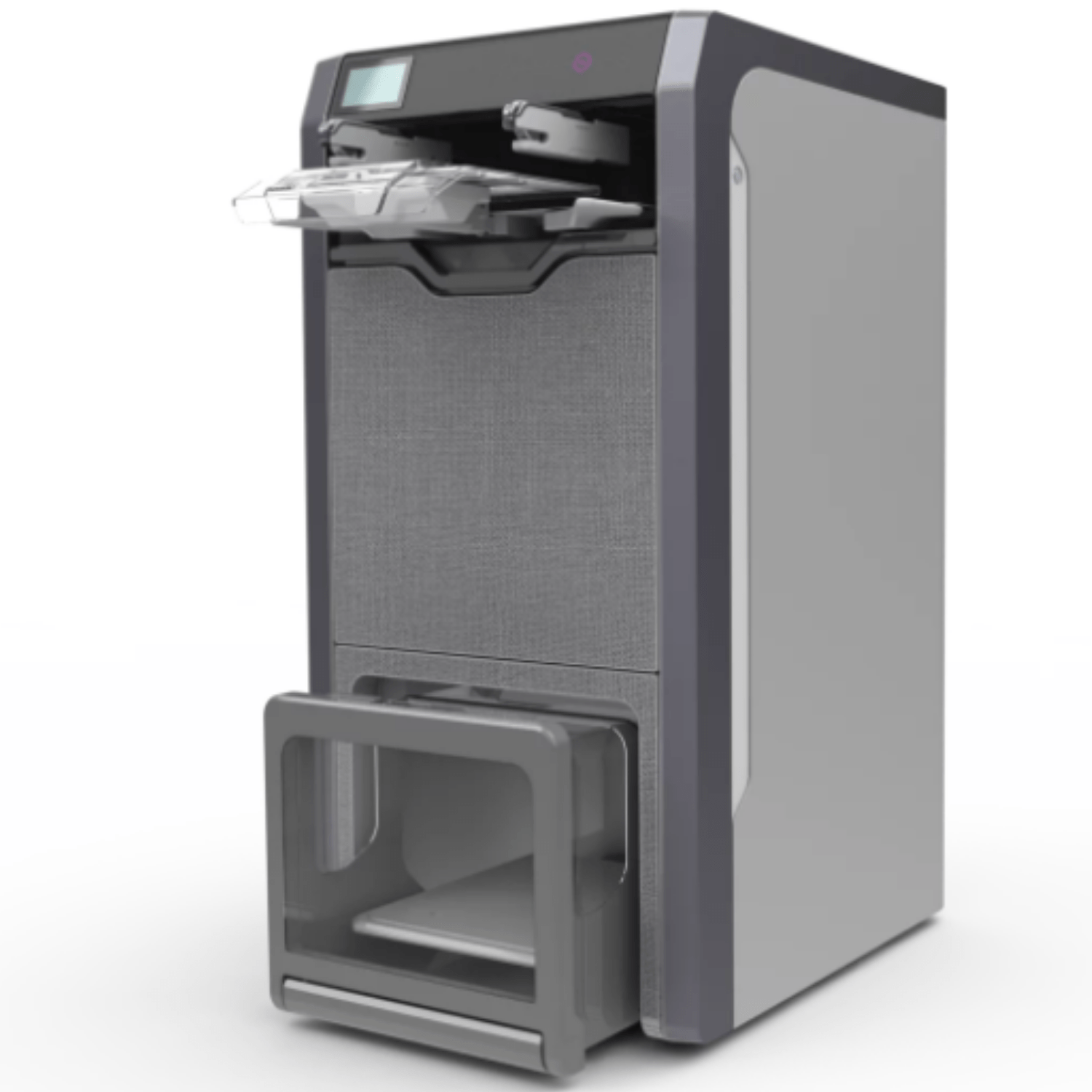
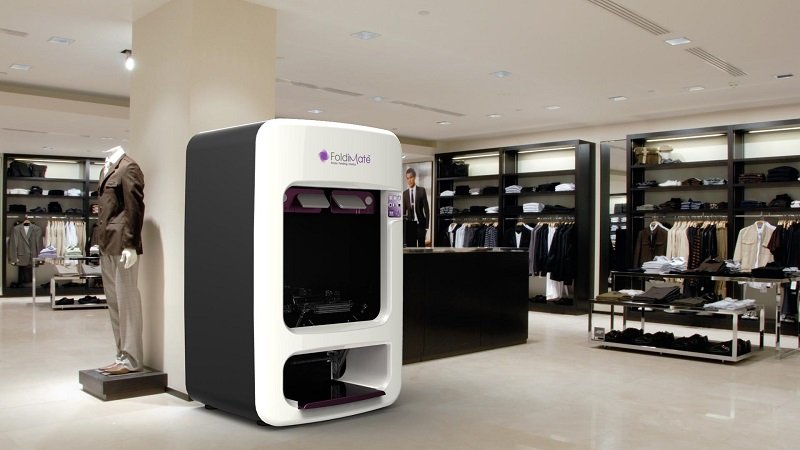
When you first search for a term for a device that folds, you quickly discover a tangle of names: folding machine, folding robot, automatic folder, garment folder, laundry folder, and even the brand names that have become shorthand for the whole category. Choosing the right word matters more than it might seem. It affects how you describe the product to family members, how you search for solutions online, and even how a store clerk understands your needs. In this article I walk you through practical naming options, explain which words work best in different situations, and show how real products—like FoldiMate – The authentic automatic laundry folding machine and robot, FoldiMate Elite and FoldiMate 2025—are usually described. Along the way I’ll share hands-on tips and examples so you can pick the clearest, most useful term for your situation.
Why the right term matters for everyday use
Words shape expectations. If you call something a “robot,” people will expect a certain level of autonomy and intelligence; if you prefer “folding machine,” they may picture a heavier, industrial device. In a home context, clarity is especially important: when you ask a partner or a babysitter to “put the laundry through the folder,” will they know you mean the compact home unit tucked near the laundry sink, or will they think of a commercial press? Using a precise term avoids confusion. For example, I usually tell guests to use the “automatic laundry folder” when describing my kitchen-side gadget because it captures both the automation and the laundry focus without implying industrial scale. That phrasing fits well with products such as FoldiMate – The authentic automatic laundry folding machine and robot and the newer FoldiMate 2025, which are designed for home users who want a straightforward name that communicates function.
Another practical reason to choose your term carefully is searching and shopping. If you use a precise name—”shirt folding machine” versus “laundry robot”—you get different product lists and different accessories. Calling something a “fold-and-iron device” will surface a subset of machines that include smoothing or steaming functions, like the FoldiMate Elite which highlights ironing and wrinkle removal. In short: the words you use shape the results you find and the expectations you set for how the device will perform.
Common names and what they imply
There are several names you will encounter repeatedly; each carries associations that matter in conversation and commerce. “Folding machine” is straightforward and broad, often used when function is the focus and the audience is expected to know nothing about robotics. “Automatic folder” emphasizes hands-off operation. “Laundry folding robot” adds a modern, high-tech feel, suggesting intelligence and adaptability. “Garment folder” is more specific and often used when talking about shirts, pants, and general clothing rather than towels or linens. Personal experience suggests using the simplest term your audience will immediately understand—”automatic laundry folder” works well in most home scenarios and matches product descriptions like FoldiMate.
Each term also nudges the conversation towards different features. “Ironing robot” or “fold-and-iron machine” signals steam, wrinkle reduction, and garment care. That’s important if you have professional shirts or delicate fabrics. Machines such as the FoldiMate Elite explicitly use this terminology, and calling it an ironing robot helps set the right expectations. On the other hand, “folding assistant” is more casual and may appeal to people who want a simpler, human-like helper rather than an industrial-sounding appliance.
How context changes which term to use
Context is everything. If you’re writing a quick note to a roommate, “put it through the folder” is fine. If you’re buying for a small business or a boutique laundry, you should be more specific: “commercial garment folder” or “industrial folding system” are clearer. For online searches and product pages, add descriptors that matter to you (speed, steam, fabric compatibility). For instance, someone seeking speed and wrinkle removal should include “ironing” or “steam” in the query to find options like FoldiMate Elite, which promotes fast folding and professional ironing performance.
In family life, it can help to standardize your wording so instructions are consistent. We labeled our machine the “clothes folder” on the laundry room door and everyone understood it meant the compact unit that folds and smooths shirts, not the heavy press in the basement. When you’re talking to technicians or sellers, use more technical language—”automatic folding and ironing machine”—so they know you expect steam functions and multi-fabric handling, as found on the FoldiMate 2025 model.
Product examples: how manufacturers name their devices
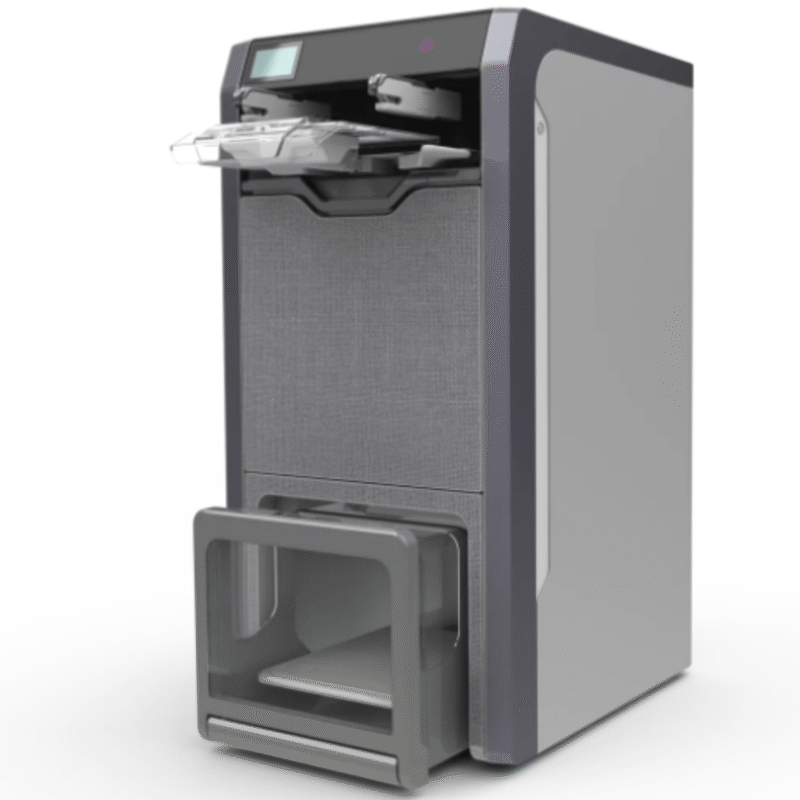
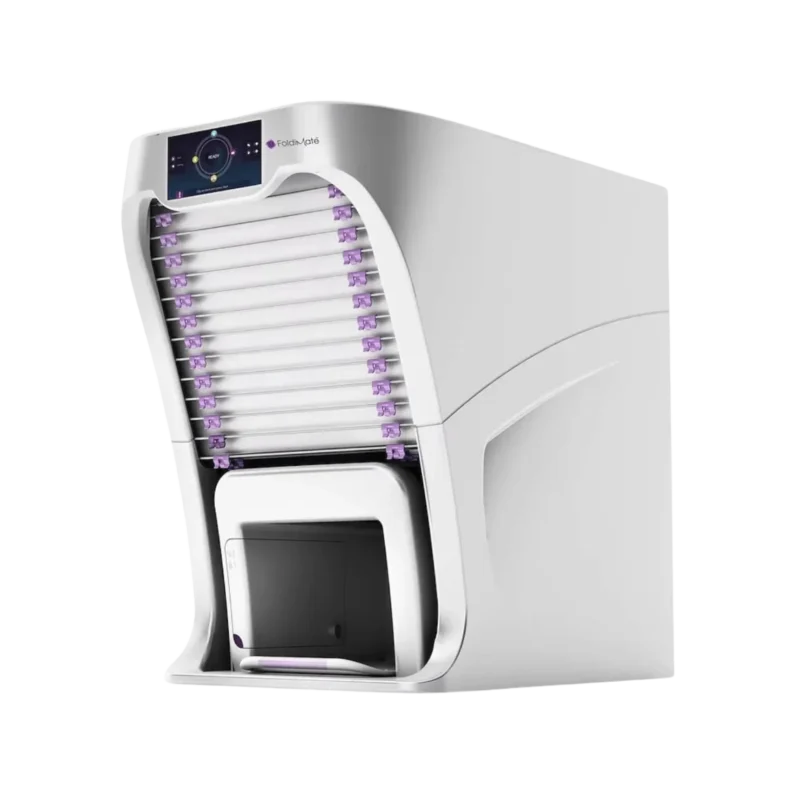
Manufacturers play a big role in shaping terminology. Brand names and product lines often become the shorthand for the entire category—consider how people use a brand name to mean the whole class of items. The FoldiMate series provides a useful illustration. The FoldiMate – The authentic automatic laundry folding machine and robot positions itself with language that highlights authenticity and automation, which invites the casual descriptor “FoldiMate” as a shorthand for any home folding device. Meanwhile the FoldiMate Elite uses premium and professional terms, encouraging buyers to see it as a higher-end “fold-and-iron” choice. The FoldiMate 2025 emphasizes generation and speed, nudging users toward “new generation folding machine” or “2025 folding robot” in product searches and reviews.
These naming strategies show how product language can guide perception. When writing about or recommending a device, mirror the name that aligns with the main benefit you want to communicate. For instance, describe the FoldiMate as an “automatic laundry folder for busy households,” the FoldiMate Elite as a “premium fold-and-iron solution,” and the FoldiMate 2025 as the “fast, next-gen folding and ironing machine.” Those descriptions are both accurate and useful when someone decides what to buy.
Practical naming guide: what to call each type
To make things actionable, here is a simple naming guide based on common use cases. If the device is for home laundry and emphasizes ease, use “automatic laundry folder” or “home garment folder.” If it includes strong steaming or ironing capability, say “fold-and-iron machine” or “ironing and folding robot.” For compact, fast devices marketed to tech-savvy buyers, “folding robot” or “automatic folder” works well. For professional or high-volume setups, prefer “commercial folding system” or “industrial garment folder.” When in doubt, add a brief descriptor: “for shirts,” “for towels,” “with steam,” or “compact model.” That extra detail makes the term instantly actionable and reduces misinterpretation when you communicate with retailers, partners, or family members.
For everyday communication I recommend keeping the phrase short and clear. Use “clothes folder” or “laundry folder” around the house. For shopping and technical discussions, expand it to “automatic laundry folding and ironing machine” to capture both the automation and garment-care features, which matches language used for the FoldiMate Elite and the FoldiMate 2025.
How naming affects buying decisions and comparisons
The words you use while researching will determine which product pages you land on and which features you compare. Searching for “folding robot” will bring up devices that emphasize autonomy and sometimes higher price points, while “garment folder” yields options more focused on fabrics and folding quality. When I helped a friend choose a device, we began by listing priorities (speed, fabric care, budget) and then adjusted the search terms accordingly. For speed and compactness, we used “fast folding machine” and found the FoldiMate 2025 appealing because it advertises a three-second fold and strong wrinkle removal. For careful fabric treatment we searched “fold-and-iron machine,” which brought the FoldiMate Elite into the shortlist.
Clear naming also streamlines price comparisons. If you search for “automatic laundry folder price” you will find pages that compare price and performance, like our internal resource on FoldiMate price and value. That helps you weigh the upfront cost against time saved and garment care. Ultimately the name you choose for your search determines which community reviews and forum threads you encounter, and that can heavily influence your final decision.
Hands-on tips: how to describe the device when asking questions or troubleshooting
When you need help—whether from customer service, a store, or an online forum—brief, descriptive language speeds up understanding. Start with the primary function: “My automatic laundry folder stops mid-cycle” or “My fold-and-iron machine leaves collars creased.” Include the model name if you have it, for example “FoldiMate 2025” or “FoldiMate Elite,” and mention the specific fabric or setting. If you’re describing location, say “countertop automatic folder next to the washer” rather than vague phrases like “that folding thing.” In my experience, technicians appreciate clear, consistent descriptors, and you’ll get useful answers faster.
Pair those phrases with short photos or a brief video when possible; imagery removes ambiguity. If you’re posting on a community board, tag the post with terms like “automatic laundry fold-and-iron” and the brand name. That way others who own similar devices—perhaps a FoldiMate owner—will see the post and can offer specific advice. Clear language also helps when you search knowledge bases: “folding robot not feeding shirts” will return more helpful troubleshooting articles than just “problem with folder.”
Comparison table: practical at-a-glance names, features, and price highlights
| Common name | What it implies | Best for | Example product |
|---|---|---|---|
| Automatic laundry folder | Hands-off folding, home use | Families, everyday laundry | FoldiMate ($249.99) |
| Fold-and-iron machine | Folding plus steaming/ironing | Professional shirts, wrinkle-prone fabrics | FoldiMate Elite ($449.00) |
| Folding robot | High autonomy, tech-forward | Tech-savvy households, speed seekers | FoldiMate 2025 ($349.00) |
Where to learn more and compare real user experiences
When you want community feedback, look for reviews that use multiple naming terms—some reviewers will call a unit a “folder,” others a “robot.” That variety helps you see how flexible usage can be. For authoritative background on folding concepts and the physics of materials (helpful when you want to know how steam interacts with fabric), authoritative pages such as Wikipedia can provide context. For price checks and wider market availability, broad marketplaces like Amazon often show accessory compatibility and user photos. When comparing specs across models, use manufacturer pages and dedicated product comparison articles such as our FoldiMate price guide and which automatic ironing and folding machine fits your needs for detailed side-by-side considerations.
For shopping in 2026, it helps to check stock and shipping pages: if you’re asking “where to buy,” refer to current availability pages like where to buy FoldiMate in 2026. For practical time-saving analysis, see our piece on can an automatic clothes folding machine save you time. Combining firsthand accounts with official specs gives the best picture of how a device will fit into your life.
Integrating one into everyday life: language, placement, and habits
Once you have a device, consistent language and placement help it become part of the routine. Name it clearly on a sticky note or label: “Clothes Folder” or “FoldiMate” works. Place it near the laundry flow—either next to the dryer or on a small stand—so that people naturally use it. Train household members with a short demonstration and a single phrase for instructions: “Feed shirts to the folder” or “Run shirts on steam setting.” Those simple, consistent cues prevent hesitation and ensure the machine lives up to its promise of saving time. When introducing it to guests, I quickly say, “This is our automatic laundry folder—put shirts here and it folds and smooths them,” and people immediately understand the intended use and level of automation, especially if the model is named—like FoldiMate 2025.
Pair your chosen name with a small usage card near the unit showing common settings and fabric tips. If the machine has specific fabric recommendations, highlight them: for delicate blouses use the hand-fold or low-steam option; for cotton T-shirts choose the standard setting. Devices such as the FoldiMate Elite will have steam and fabric compatibility notes; putting those instructions on the wall reduces misuse and improves results.
FAQ: Common questions about naming and choosing a folding device
What is the simplest term I can use at home?
Call it a “clothes folder” or “laundry folder.” Those terms are short, clear, and immediately understood by most people in a household. They work well whether your device is a basic automatic folder like FoldiMate or a more advanced model such as the FoldiMate 2025. Put a small sign above the machine with that name to keep instructions consistent.
When should I use “robot” versus “machine”?
Use “robot” when you want to emphasize autonomous behavior and high-tech appeal; use “machine” if you prefer a neutral, functional tone. For example, people often call the FoldiMate Elite an ironing robot because of its steam and precision features, while the base FoldiMate may simply be called an automatic folding machine in product listings.
How do I find the right model with a search term?
Match the phrase to a priority: “fold-and-iron” for wrinkle removal, “fast folding machine” for speed, “home garment folder” for compactness. Use brand names if you want specific models; searching “FoldiMate 2025” or “FoldiMate Elite” will lead you directly to product pages and reviews. For general context on product categories and comparisons, consult resources like our article on whether an automatic laundry folder fits your home and the broader buyer’s guides on the site.
Final thoughts: pick clarity and be consistent
Language is a small but powerful tool when adopting new household technology. Choose a term that matches your daily needs and use it consistently so everyone in the household understands the device’s purpose. If you want quick, household-friendly wording, “automatic laundry folder” or “clothes folder” does the job. If you care about ironing and professional results, use “fold-and-iron” or include the brand and model—”FoldiMate Elite”—in your description. When you communicate clearly, shopping, setup, and troubleshooting become simpler. For further reading and comparisons, see our detailed resources on FoldiMate pricing, which folding machine fits your needs, and whether a FoldiMate fits your routine.
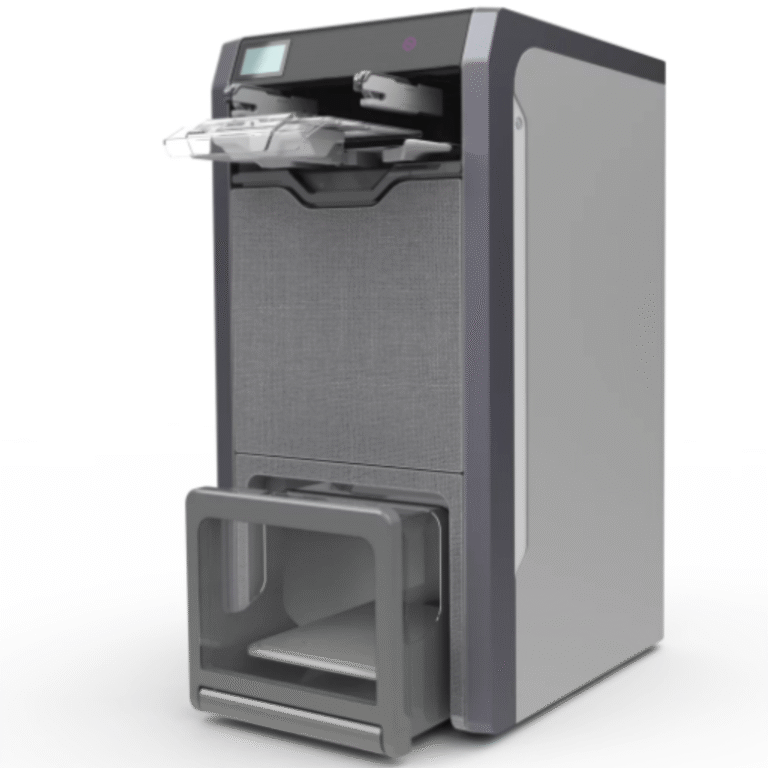
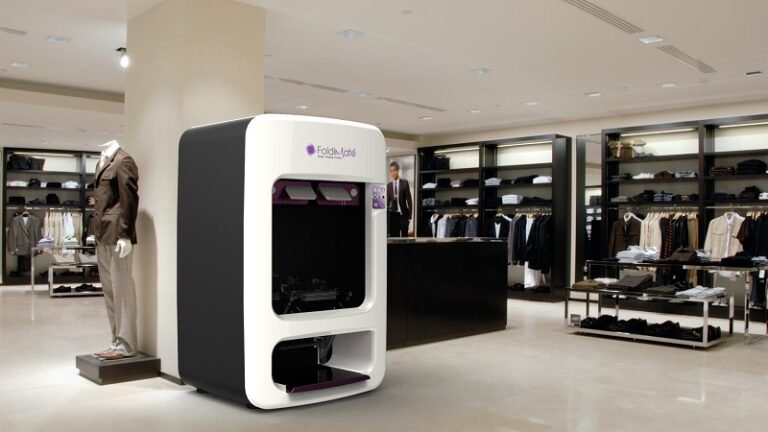
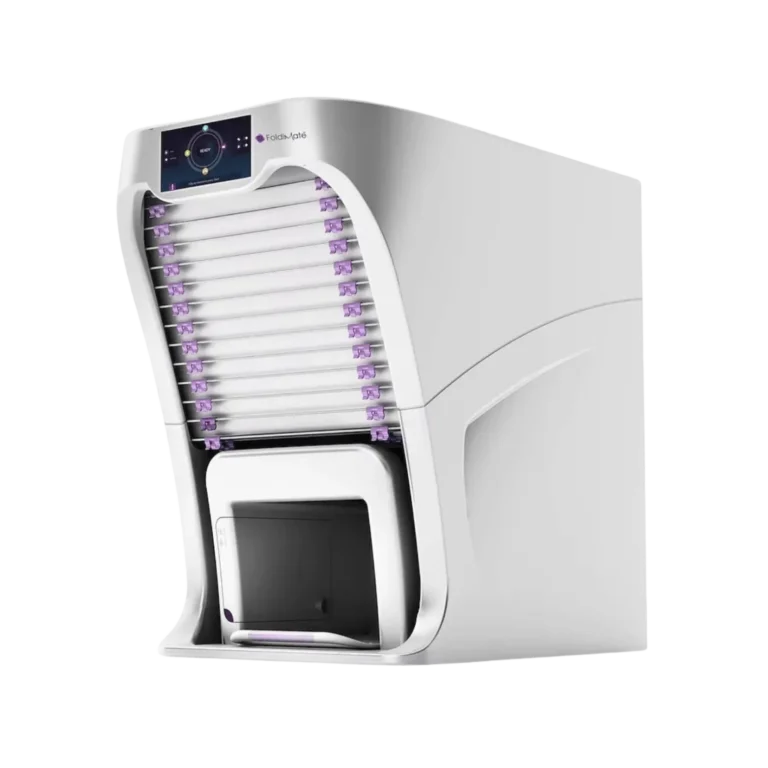
If you want a quick next step: decide the single phrase you’ll use at home, then run a focused search for that phrase combined with your top feature (for example, “clothes folder steam” or “fast folding robot”). Check product pages like FoldiMate, FoldiMate Elite, and FoldiMate 2025 to compare features and decide which naming convention best fits your new routine. For broader context and community perspectives, look at our practical articles on saving time with automated folding (can an automatic clothes folding machine save you time) and realistic investment evaluations (is a laundry folding robot worth the investment).