
Blog
Can an automatic clothes folder save you hours each week

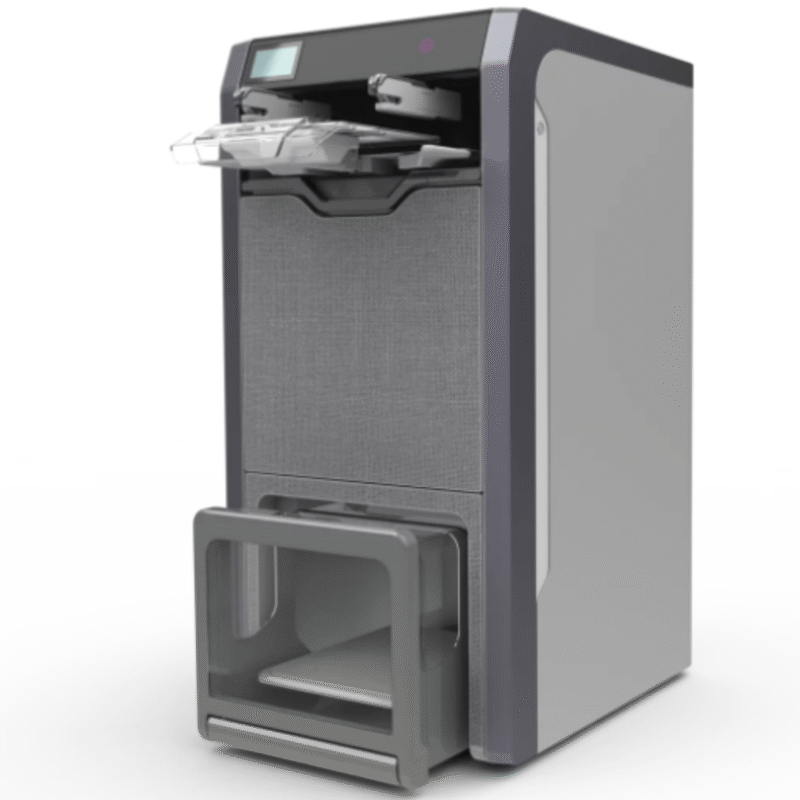
Yes — an automatic clothes folder can save you 2 to 4 hours weekly
Most households will save significant time: a built automatic clothes folder can fold 10–20 garments in 5–10 minutes, cutting typical manual folding time by about 50%. For a family of four that does laundry twice a week, that converts to roughly 2–4 hours saved every week. The real gain is predictable, repeatable folding that reduces decision fatigue and keeps closets neater.
This time estimate assumes everyday items: t-shirts, pants, towels and simple dresses. Heavier garments and delicate items still need some human handling, but the machine handles the bulk of routine folding. If you value reclaimed time more than the device cost, an automatic folder is often worth it.
Below I walk through how these devices work, typical performance, practical limits, costs, and which FoldiMate models fit different households.
How an automatic clothes folder actually works and what it handles
An automatic clothes folder uses guided input, internal clamps and folding plates to produce consistent folds. Most consumer units require you to feed one item at a time or a few items into a slot; the machine pulls the garment, flattens it, folds to preset dimensions and ejects it. Sensors detect size and adjust fold patterns. Typical cycle times range 20–60 seconds per item depending on size and the model’s speed settings.
What it handles well: cotton and polyester t-shirts, dress shirts (unbuttoned), pants, towels and casual dresses. What it struggles with: bulky sweaters, very small items (baby socks), structured outerwear, and items with lots of buttons or zippers. Most machines recommend smoothing pockets and aligning garments before feeding to avoid jams.
Maintenance is straightforward: clear jams, wipe sensors, and occasional recalibration. For hands-on instructions and real-world tests see the independent product tests and user reports linked later.
Models, features and visual overview of current FoldiMate options
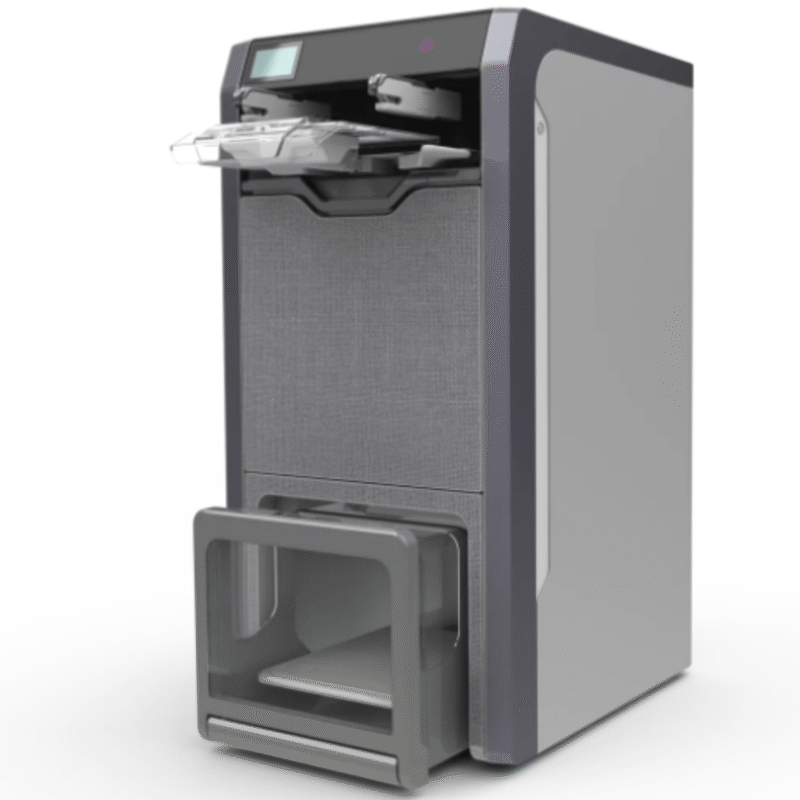
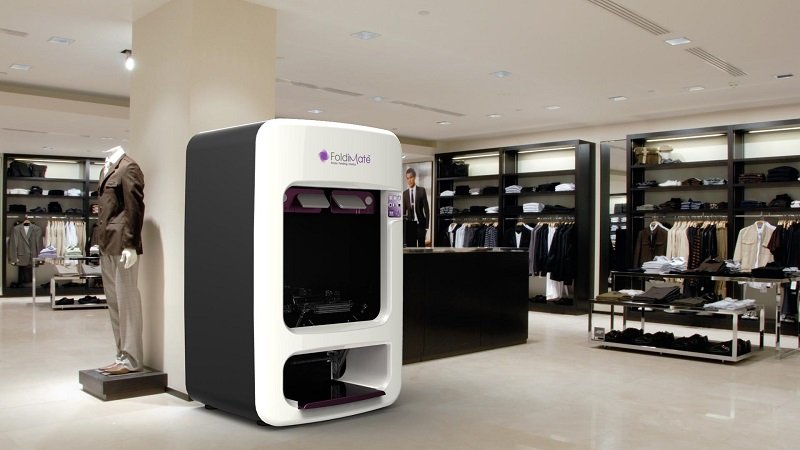
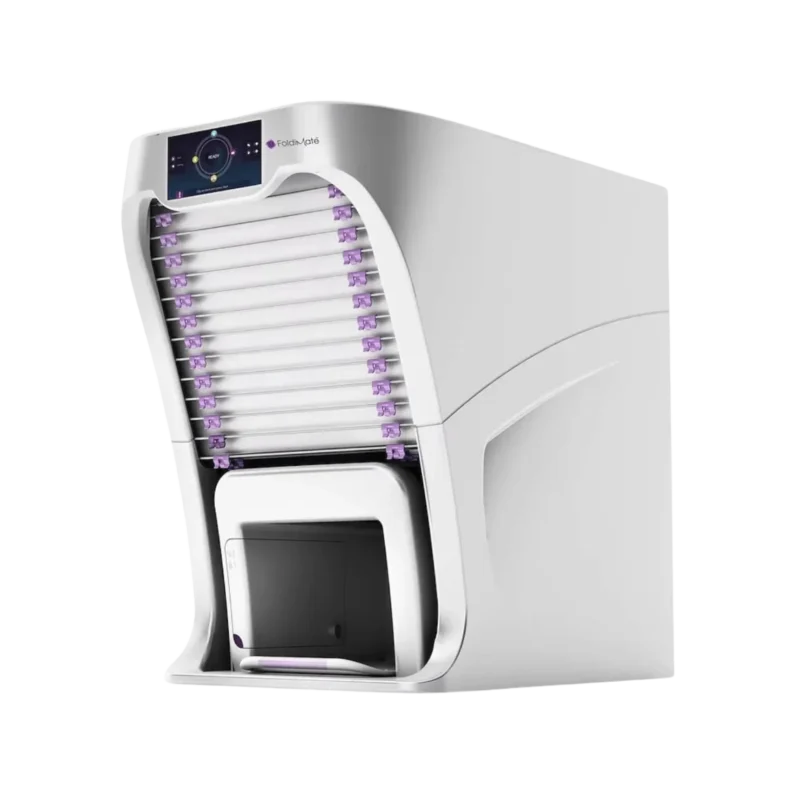
FoldiMate currently offers three consumer-oriented models that cover entry to premium needs:
- FoldiMate standard (FoldiMate – The authentic automatic laundry folding machine and robot) — positioned as the original, affordable folder with reliable folding cycles and compact footprint. Product page: FoldiMate authentic machine.
- FoldiMate 2025 — a next-generation model that balances compact design with improved speed and handling for a wider range of garments. Product page: FoldiMate 2025.
- FoldiMate Elite — premium unit adding professional ironing capability and finer fold control for dress shirts and delicate fabrics. Product page: FoldiMate Elite.
Key differentiators to watch: cycle time per item, supported garment types (ironing vs folding), size and footprint, and price. The Elite adds ironing and a finer finish at higher cost; the 2025 focuses on throughput and compactness; the original FoldiMate balances price and functionality.
Practical pros and cons from real tests and user reports
The core benefit is consistent, fast folding that reduces time spent sorting and folding. Tests show better closet uniformity and fewer wrinkled tees compared to quick manual folding. Cons include upfront cost, occasional jams, and that some garment types still require hand-finishing. If you read long user tests, you’ll see these trade-offs repeated across models.
Pros in practice:
- Time savings: 50% reduction for routine items.
- Consistency: identical folds make stacking and storage easier.
- Less decision fatigue: preset fold sizes mean no debate over how to fold.
Cons in practice:
- Initial cost: prices range from mid-hundreds to several hundred dollars depending on model and features.
- Limitations: bulky knitted items and complex garments often need human help.
- Maintenance: occasional clearing and sensor cleaning required.
For hands-on test results and pros and cons per model, read the detailed tests at Foldimate reviews and tests and the practical machine guide at Foldimate machine guide.
Cost, return on investment and who benefits most
Price points on the site show three clear tiers: the authentic FoldiMate around $249.99, the FoldiMate 2025 at $349, and the FoldiMate Elite at $449. If you pay for laundry or live in a high hourly wage area, calculate ROI by assigning an hourly value to your time. Example: if your time is worth $20/hour and you save 3 hours/week, that’s $60/week or roughly $3,120/year — a quick payback even for the Elite.
Who benefits most:
- Busy families who handle a lot of daily laundry.
- People working from home who want to reclaim short blocks of time for focused work.
- Seniors or people with mobility issues who prefer less bending and sorting.
Who might wait: single-person households with minimal laundry or people who fold only a few items weekly. For more on whether these machines are right for your home, see Is an auto laundry folding machine right for your home and the 2026 dress-specific analysis at Is a dress folding machine right for your home in 2026.
How to choose the right automatic clothes folder for your home
Pick by the three most important variables for your life: throughput (items per hour), garment support (ironing or just folding), and footprint. If you fold large loads quickly, prioritize the 2025 for speed and compactness. If you need a finished look for shirts, the Elite’s ironing feature adds value. If budget is tight, the authentic FoldiMate model gives reliable folding at the lower price point.
Checklist before buying:
- Estimate weekly folding volume and average item type.
- Decide if ironing capability matters for dress shirts.
- Measure space; check product dimensions for placement.
- Review maintenance steps and jam-clearing instructions.
- Compare total cost including any accessories or extended warranties.
Compare specific model pages while you decide: the authentic FoldiMate at FoldiMate authentic machine, the compact FoldiMate 2025, and the premium FoldiMate Elite. You can also browse the full product category at FoldiMate machines category to compare features side by side.
Frequently asked questions
How fast does each model fold one shirt
Typical cycle times: the entry model folds a shirt in roughly 30–45 seconds; the 2025 improves speed to ~20–35 seconds; the Elite varies 25–40 seconds depending on ironing steps. Cycle time depends on garment size and preparation.
Do these machines iron shirts or only fold
The FoldiMate Elite adds a professional ironing function on top of folding. The standard and 2025 models focus on folding only; they reduce wrinkles by flattening garments but don’t replace a steam iron for heavy creases.
Can a machine handle small laundry like socks and underwear
Socks and small underwear often fall below the minimum size sensors expect. Some users pair machines with a manual sock-sorting routine; larger socks may work if fed properly. Check model specifications for minimum garment dimensions.
What maintenance is required and how often
Basic maintenance: clear occasional jams, wipe sensors monthly, and check moving parts for lint build-up. No specialized consumables are required. Follow the user manual on the product page for model-specific instructions.
Is there a warranty and where can I see user reviews
Each FoldiMate product page lists warranty details at purchase. For aggregated user reviews, hands-on tests and pros/cons see Foldimate reviews and tests and practical usage tips at Foldimate machine guide.
Which FoldiMate model should I pick for a family of four
For throughput and compact design choose FoldiMate 2025. If you want a finished, ironed look for shirts choose FoldiMate Elite. If your budget is tighter and you want solid folding without ironing choose the authentic FoldiMate at its lower price point. Compare features on the product pages and the category listing at FoldiMate machines category before deciding.
