
Blog
Are automatic folding machines worth the time and cost

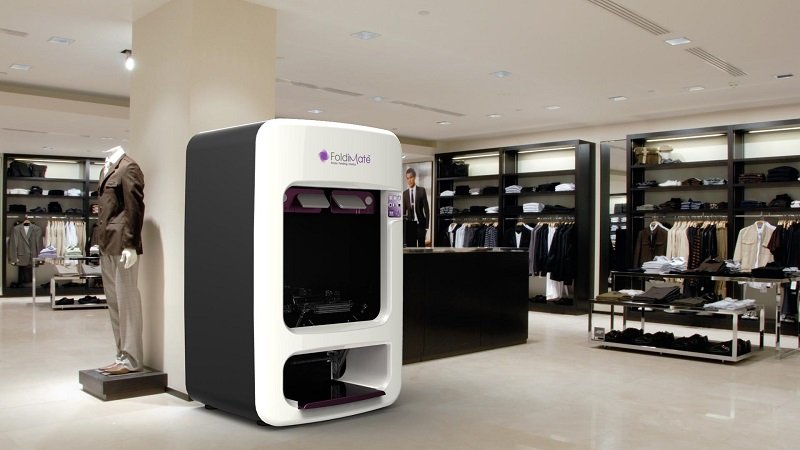
Short answer — are automatic folding machines worth it
Yes for busy households and small businesses an automatic folding machine can be worth the time and cost if your priority is saving 2–6 hours weekly and getting consistent, retail‑quality folds. These machines rarely pay back purely in cash — typical payback in reduced labour is 6–24 months depending on household size — but they deliver predictable time savings, less ironing and neater storage every week.
How automatic folding machines save time and measurable hours
Automatic folding machines cut the repetitive manual step in laundry: folding. A family of four that folds laundry twice weekly spends roughly 3–6 hours per week on folding and sorting. An automatic folder reduces active folding time to a 10–20 minute setup and unload cycle per laundry session, shaving off 2–5 hours weekly depending on load size.
Concrete examples:
- Single person: expect 30–90 minutes saved per week.
- Couple: 1.5–3 hours saved per week.
- Family of four: 3–6 hours saved per week.
Time saved depends on the machine’s throughput and the garments you fold. Models that also iron or steam small items (see the premium options below) remove additional prep time. For people juggling work and childcare, that recovered time is the primary return on investment, not dollar savings on hired help.
Which garments automatic folders handle best and which to avoid
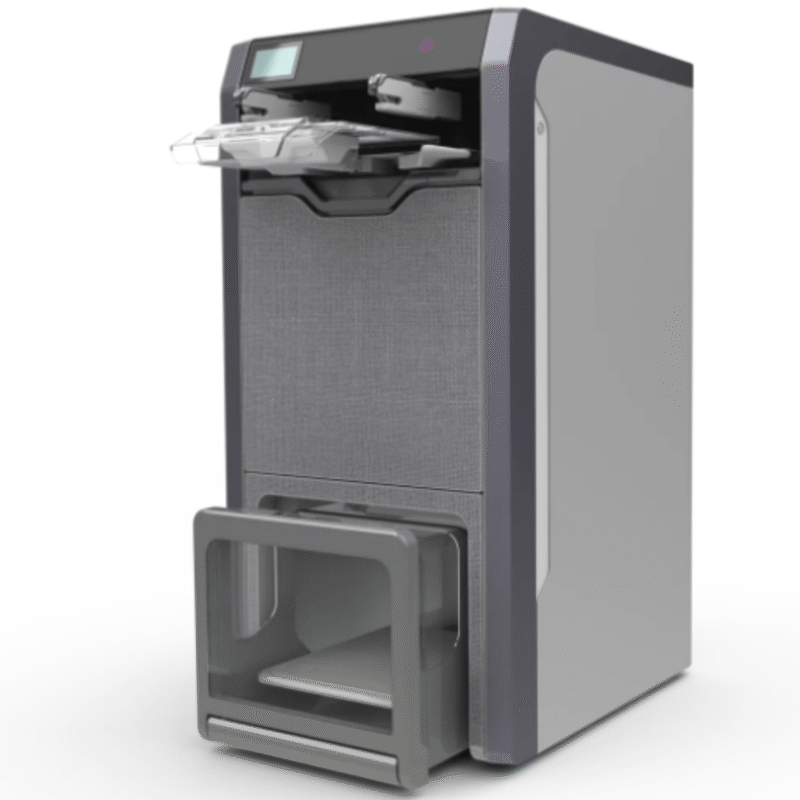
Most automatic folders are designed for shirts, T‑shirts, towels, jeans and simple trousers. They excel at flat items that require a predictable fold. Expect excellent results on:
- Casual T‑shirts and polos
- Cotton shirts (non‑dress), workout wear, pajamas
- Bath and hand towels, small linens
Items to avoid or prepare before folding:
- Delicates with lace, bulky knitwear, and very small garments (infant clothes may need manual folding).
- Structured dress shirts with heavy collars or pleats — some machines require pre‑buttoning or flattening.
- Oversized bedding and heavy coats — most home units cannot handle these safely.
If you want a machine that also smooths creases, consider a model with an ironing or steaming option. The FoldiMate Elite adds ironing capabilities so shirts come out both folded and pressed which reduces ironing time for business wardrobes.
Comparing common FoldiMate models and what each saves you
Price and capability overview using real models available today:
- FoldiMate automatic laundry folding machine at $249.99 covers basic folding for everyday garments and is the most affordable entry point.
- FoldiMate 2025 at $349 adds a compact design and updated sensors for improved handling of mixed loads.
- FoldiMate Elite at $449 includes premium build and integrated ironing/pressing for a more finished result.
How to pick between them:
- If budget matters and you mainly fold casual wear choose the base FoldiMate.
- If you need a better mix of compact footprint and improved handling choose FoldiMate 2025.
- If you want pressed shirts and the best finish choose FoldiMate Elite.
Repeated product mentions can help compare exact features — try the FoldiMate comparison pages and the machine guide linked below for real‑world test notes and pros/cons that match your laundry habits.
Installation, footprint and regular maintenance costs
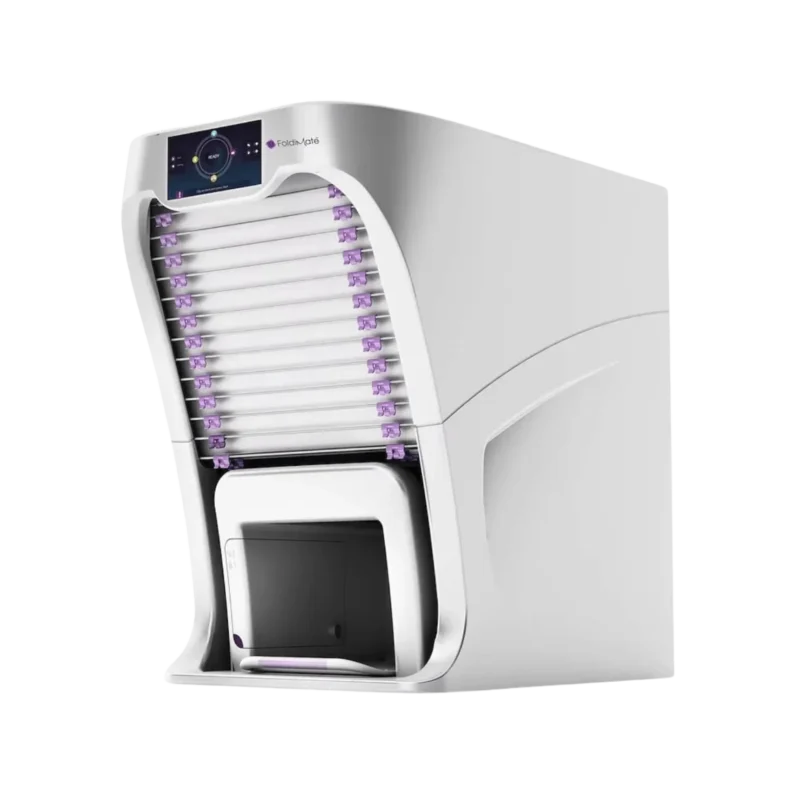
Automatic folding machines are plug‑and‑play but need a stable place near your laundry workflow. Typical installation steps:
- Clear a 60–90 cm wide spot near dryer or folding table — machines are freestanding and require some clearance for loading/unloading.
- Plug into a standard outlet; no plumbing changes required. Models with steaming/ironing often include a small water tank you refill every 1–3 weeks depending on use.
- Set initial preferences like fold size and type. Expect 10–20 minutes of setup time at first use.
Maintenance checklist and costs:
- Monthly quick clean of intake and rollers — 5–10 minutes.
- Replaceable wear parts (rubber pads, small belts) every 12–36 months depending on cycles; budget $20–80 yearly if used heavily.
- For ironing/steaming models, replace water filters or descaling annually if you have hard water.
These maintenance needs are low compared with a washing machine service schedule. If you plan heavy daily commercial use, opt for extended warranties or the Elite model for sturdier components.
Real savings, limitations and the best use cases
When automatic folding machines deliver the most value:
- Busy families that wash frequently and want uniform storage — families often reclaim 3–6 hours weekly.
- Small rental properties or Airbnb hosts who need fast turnaround and consistent presentation.
- People with mobility or repetitive strain issues who benefit from fewer manual folding motions.
Where they fall short:
- If you only wash once a week and have fewer than two loads, payback is slow.
- High‑end dresswear and tailored garments still need manual care; automatic folders are not a full replacement for professional pressing.
- Initial learning curve: getting the right feed technique takes 1–3 sessions.
Before buying, run a quick 30‑day test in your household: count folding time over a week, multiply by 52, and compare to the machine price. Factor in the non‑monetary value of time saved and reduced ironing. For hands‑on reviews and performance tests see the detailed FoldiMate review and time‑saving articles linked below.
How to choose the right model and where to learn more
Choosing steps that cut buyer’s regret:
- Calculate weekly folding hours: if >90 minutes weekly, a machine is likely worthwhile.
- Decide if ironing/pressing is required — buy the Elite if you need pressed shirts.
- Check footprint: measure space and ensure 60–90 cm clearance for loading/unloading.
- Read real tests: real‑use reviews highlight issues like sensor behavior on dark garments or very thin fabrics.
Helpful reads on the site:
- FoldiMate Reviews – Real Tests Pros Cons and Buying Guide for hands‑on performance comparisons.
- Automatic folding machine that saves you hours each week for time‑saving calculations.
- How to Choose the Right Fold Machine for Your Home? for decision flowcharts and recommendations.
- Browse the full range under FoldiMate Machines to compare specs and prices.
If you still hesitate, try the mid‑range FoldiMate 2025 or the base model for a low‑risk entry; upgrade to Elite only if ironing performance justifies the extra cost for your wardrobe.
Frequently asked questions
How long does each fold cycle take
Cycle time varies by garment and model. Expect 10–40 seconds per item for shirts and 20–60 seconds for larger items. A typical mixed load (20–30 items) runs 15–45 minutes including load/unload time.
Can an automatic folding machine replace ironing
Basic folders do not replace ironing. Models with integrated ironing or steaming such as the FoldiMate Elite reduce ironing for casual shirts and remove minor creases, but tailored shirts and dress shirts still need a proper iron or professional press.
Are these machines safe for delicate fabrics
Most units handle common delicacy levels but avoid items with lace, loose embellishments or very delicate silk unless the manufacturer lists them as supported. Use garment bags or hand‑fold small delicates.
What is the expected lifespan and warranty
Home automatic folders typically last 4–8 years with regular care; heavier commercial use shortens that. Standard warranties vary by model — check the product page for exact coverage and consider add‑on protection if you plan heavy daily use.
Do they require special detergent or pre‑treatment
No. Folding machines only handle dry or mostly dry garments. Continue using your preferred detergent and drying routine. For machines with ironing/steaming functions, use distilled water if your tap water is very hard to avoid scale buildup.
Where can I see detailed user tests and compare models
Read hands‑on comparisons on the site including the FoldiMate Reviews and the Foldimate Machine Guide to Save Time with Automated Folding for measured cycle times, fabric handling notes and long‑term impressions.
