Blog
Is an automatic folding machine for clothes worth buying

Short answer: when it makes sense to buy one
Yes — an automatic folding machine for clothes is worth buying when you want to reclaim 2–4 hours per week, you have a steady volume of wash (2–3 loads weekly minimum), and you value consistent, neat folding over doing it by hand. These machines aren’t for everyone: they work best for households that wash many shirts, T-shirts, towels and kids’ clothing, and for people who prioritise time savings and uniform stacks.
Expect trade-offs: the device speeds folding but needs space, occasional maintenance, and a modest upfront cost. If you want the fastest route to see the benefit, choose a model rated for family-sized throughput and follow a simple pick-and-feed routine — it’s the single habit that turns time savings into a repeatable win.
How automatic folding machines for clothes actually work
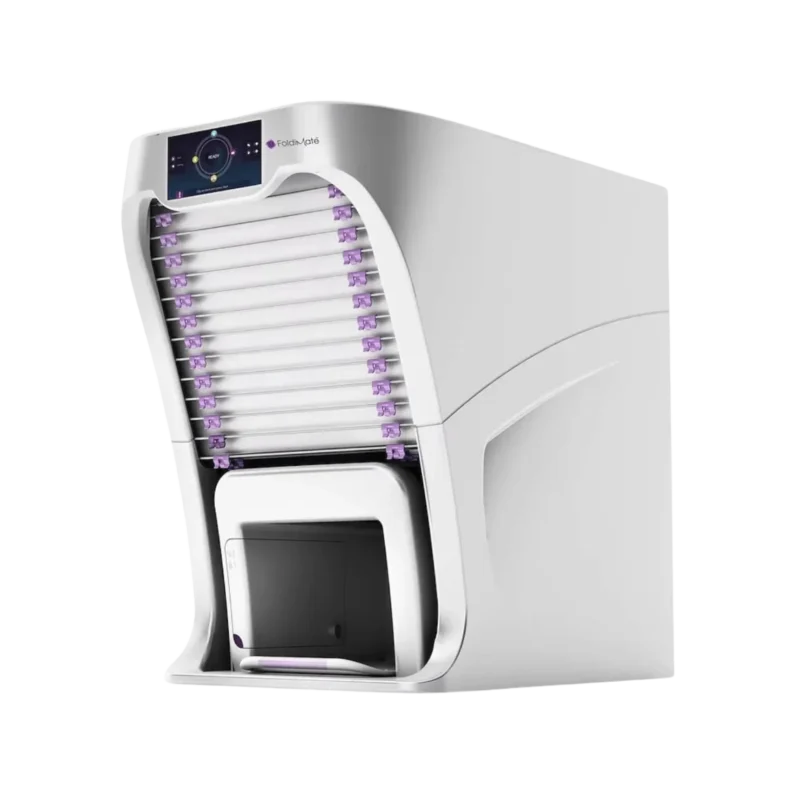
Most home folding machines use a simple but effective sequence: you manually feed each item into the intake ports, the machine detects the garment type and size, then internal belts and clamps flatten and fold the fabric into a standard template. Cycle times vary by item: a T‑shirt can take 6–12 seconds, a towel 10–20 seconds, and delicate or oddly shaped pieces may be rejected for manual folding.
Modern units add small features: adjustable fold templates (narrow or wide stacks), light steam or ironing steps, and sensors to avoid jams. For example, some models include an ironing stage that reduces creases before folding. The biggest user-side requirement is pre-sorting: pockets emptied, buttons closed, and bulky items separated so the feeder can work smoothly.
Throughput is measured in items per hour; realistic home use yields 150–300 items per hour depending on the model and how disciplined you are about pre-sorting. That’s why most owners estimate saving 2–4 hours per week if they feed every load immediately after drying rather than letting folding pile up.
Which households benefit most and who should skip it
Buy one if you:
- Do at least 2 laundry loads weekly and want to reduce chores by 2–4 hours each week.
- Have children or a family of 3+ where uniform folding significantly eases storage and routines.
- Value consistent folding for cafes, short-stay rentals, or small businesses doing linens and towels.
- Prefer an invested upfront cost to ongoing time savings and less stress.
Skip it if you:
- Live alone and wash infrequently (1 load or less per week).
- Wear mostly delicate, oversized, or nonstandard garments that need hand care.
- Don’t have a stable spot to install the machine (they need floor space and electric outlet).
- Are highly price-sensitive and can’t commit to the upfront purchase and occasional servicing.
To test whether it fits your life, time how long you spend folding one week (start-to-finish), multiply by weeks per year, and compare that with the device price plus 3–5 years of maintenance. That simple calculation clarifies the financial and practical payoff.
Real models, key differences, and what to expect
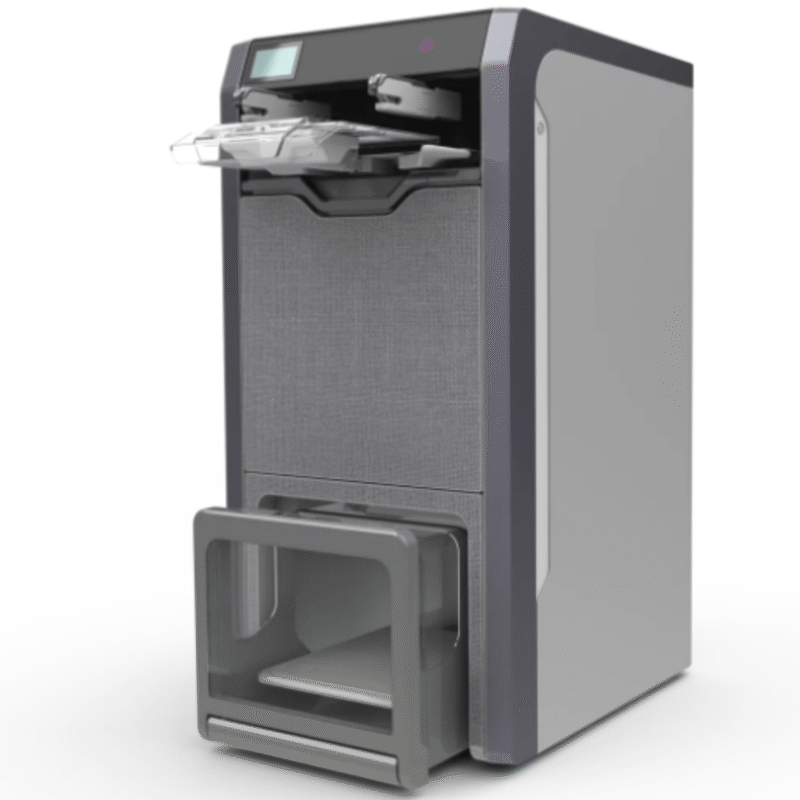
On the market you’ll find models that focus purely on folding and others that add ironing or premium finishes. Three representative options to compare:
- FoldiMate — the baseline automatic folding machine that handles shirts and T‑shirts efficiently and is priced for entry-level adopters. See the detailed product page at FoldiMate product page.
- FoldiMate 2025 — new generation model with compact design and improved detection algorithms. It balances price and features for families; full specs are on the FoldiMate 2025 product page.
- FoldiMate Elite — premium folding plus professional-level ironing options, aimed at users who need crisp results and higher throughput. View it at the FoldiMate Elite product page.
Differences that matter:
- Ironing capability — Machines with ironing add time and power draw but reduce hand ironing. The Elite and some 2025 units include this feature.
- Speed and continuous feed — Faster units reduce wait time, but real-world throughput still depends on your feeding speed and sorting habits.
- Fold templates — Some allow varying stack widths (drawer-friendly vs shelf-friendly).
- Size and storage footprint — Compact models fit apartments; larger premium models need more floor space.
For hands-on comparisons and tested pros/cons read the independent evaluations at FoldiMate Reviews pros and cons and the user-time saving report at automatic folding machine saves hours.
Installation, space, speed and daily workflow
Plan for a 0.6–1.2 m² footprint and a nearby outlet. Place the machine on a level floor with 20–30 cm clearance behind for ventilation. Most users keep one machine in a laundry room or a closet converted into a laundry station.
Daily workflow to maximise savings:
- Immediately remove garments from dryer, shake them lightly, and group similar items.
- Feed items one-by-one through the intake as directed by the machine’s guide.
- Stack folded items in the machine’s output tray or basket; move to drawers within 10–15 minutes to avoid wrinkling.
Expect feeding to become a 10–15 minute daily habit for an average household; that replaces 40–60 minutes of manual folding. Throughput examples: a FoldiMate-style machine often folds a load of 25 items in 15–25 minutes of active feeding time, depending on item mix and user rhythm.
Want a quick checklist for setup and daily use? See the practical tips in the machine guide at FoldiMate machine guide.
Maintenance, running costs and realistic lifespan
Maintenance is mostly cleaning lint and occasionally recalibrating sensors. Typical tasks and costs:
- Monthly lint removal and exterior wipe-down — 10–15 minutes.
- Quarterly sensor check and belt inspection — 20–30 minutes; no special tools required.
- Replacement parts over 3–5 years (belts, rollers) — budget $30–$120 per major service depending on model.
- Power consumption — running a folding cycle uses little electricity; ironing stages add a modest draw similar to a small iron.
Expect a realistic service life of 3–7 years for home units, depending on usage intensity. If you run it for commercial short-stay turnover or heavy family use, annual servicing extends life and keeps performance consistent.
Common failure modes are user-related (feeding oversized items, forgetting buttons) and wear-related (belt degradation). The best defense is a short pre-feed checklist and occasional visual inspection. For owners who worry about upkeep, pick a model with a straightforward parts supply chain and clear service instructions — you can compare lifecycle notes in community reviews at automatic clothes folder time savings.
How to choose the right model and where to buy
Decision steps:
- Measure weekly laundry volume and average items per load — if you do 50–100 items weekly, a home folding unit pays off faster.
- Decide if ironing matters — choose a model with an ironing stage if you want reduced creasing.
- Check physical footprint and clearance requirements and confirm you have the space.
- Compare real-world tests and user feedback — read the buying guide at FoldiMate buying guide.
Where to buy: purchase directly from verified product pages to ensure warranty and support. Example purchase links include the FoldiMate product page, the FoldiMate 2025 product page, and the FoldiMate Elite product page. For a quick browse of all available models check the FoldiMate Machines category.
Try to buy from sellers who publish return and repair policies. If you’re uncertain which model fits your home, compare throughput numbers and fold templates — the compact 2025 suits small homes, the standard FoldiMate is an entry-level choice, and the Elite fits users wanting ironing-grade results.
Frequently asked questions
How much time will I actually save weekly?
Most households report saving 2–4 hours per week when they feed every load. Savings depend on discipline: if you only use the machine sporadically, savings shrink. Track 1–2 weeks manually to estimate your baseline before buying.
Can these machines handle dress shirts and pants?
They handle casual shirts, T‑shirts, and many pants types but struggle with heavy denim, formal dress shirts with collars, and tailored garments. Premium models with ironing add more capability but won’t replace professional pressing.
Do I need special detergent or dryers to use the machine?
No. Use your normal laundry products and dry settings. The key is to remove items promptly from the dryer, shake them out, and feed while warm for best results.
How noisy are automatic folding machines?
Noise levels are similar to a small vacuum; they’re louder during an ironing stage. They’re designed for laundry rooms, not living-room quiet.
What about warranty and parts?
Buy from official product pages to get warranty coverage. Replacement parts like belts and rollers are commonly available; check the product page for exact warranty terms and service options.
Where can I read real user tests and comparisons?
Read the product reviews and hands-on tests at the FoldiMate reviews page FoldiMate Reviews pros and cons and the time-saving studies at automatic folding machine saves hours for practical user feedback.
