Blog
Automatic clothes folding machine for home that saves hours

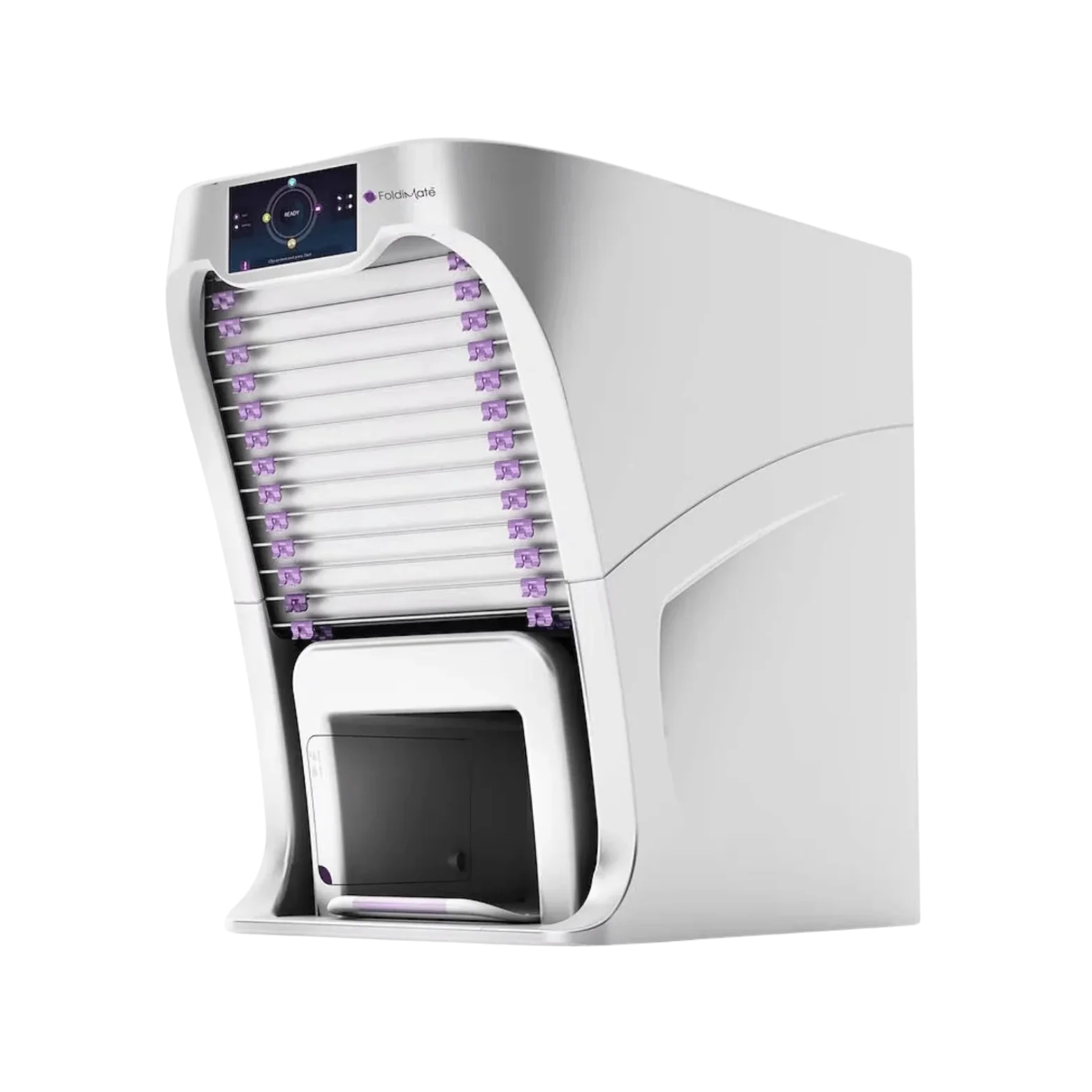
Will an automatic clothes folding machine for home save me time?
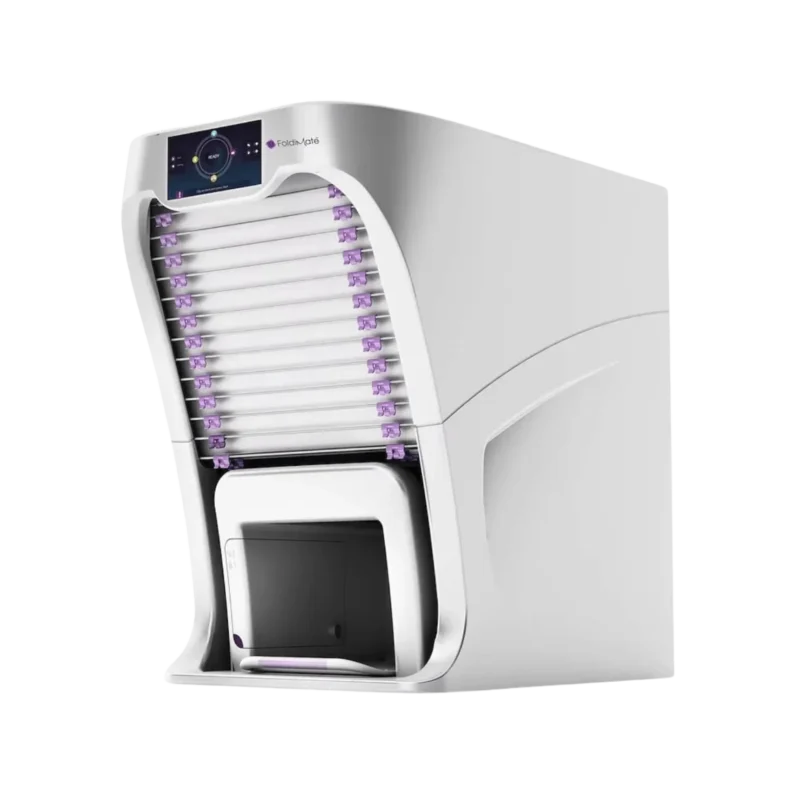
The simple answer is yes: a well-chosen automatic clothes folding machine for home can cut the time you spend folding by 70–90% for everyday items like shirts, pants and towels. In practice that means a 30–60 minute folding chore becomes a 5–15 minute task of feeding and stacking garments.
That speed gain assumes you use a machine designed for household loads rather than industrial units. Models such as the FoldiMate 2025 handle standard shirts, trousers and linens within a predictable rhythm — feed one item, machine folds and releases. Expect faster throughput for lightweight items and slower handling for delicate or oversized pieces.
Time savings aren’t the only benefit: consistent folds, neater stacks, and fewer wrinkles for many garments. If you currently spend 3–7 hours per week folding laundry, a folding robot can save several hours and reduce decision fatigue about how to fold each item.
To test real-world benefits, see hands-on data and user experiences in this review of the latest unit FoldiMate 2025 review and buying quick guide and the broader user tests in FoldiMate Reviews – Real Tests Pros Cons and Buying Guide.
How automatic home folders work and what they can fold
Automatic home folding machines use a small set of mechanical operations: sensors read the garment shape, internal clamps align fabric, and a folding mechanism completes 2–4 folds depending on the program. Most home units are semi-automatic: you feed items one at a time or in small batches rather than dumping a whole dryer load inside.
Commonly folded items include:
- T-shirts and polos (standard folding)
- Button shirts (basic fold for storage, not for retail-perfect presentation)
- Trousers and shorts (simple vertical fold)
- Towels and linens (limited to standard sizes)
Items that typically require manual attention or pre-treatment:
- Delicate fabrics (silk, lace) — machine may damage or mis-handle
- Large blankets or heavy winter coats — too big for most home units
- Garments with large buttons, hoods or irregular cuts — may need pre-folding
Designs vary: some models add a mild steam/iron function for wrinkle reduction, while others focus strictly on folding. If ironing is important, compare models with an integrated press function. For a practical breakdown of whether ironing-and-folding combos are worth it, read Is a Fold and Iron Machine Worth Adding to Your Home?.
Real speed, capacity and size you should plan for
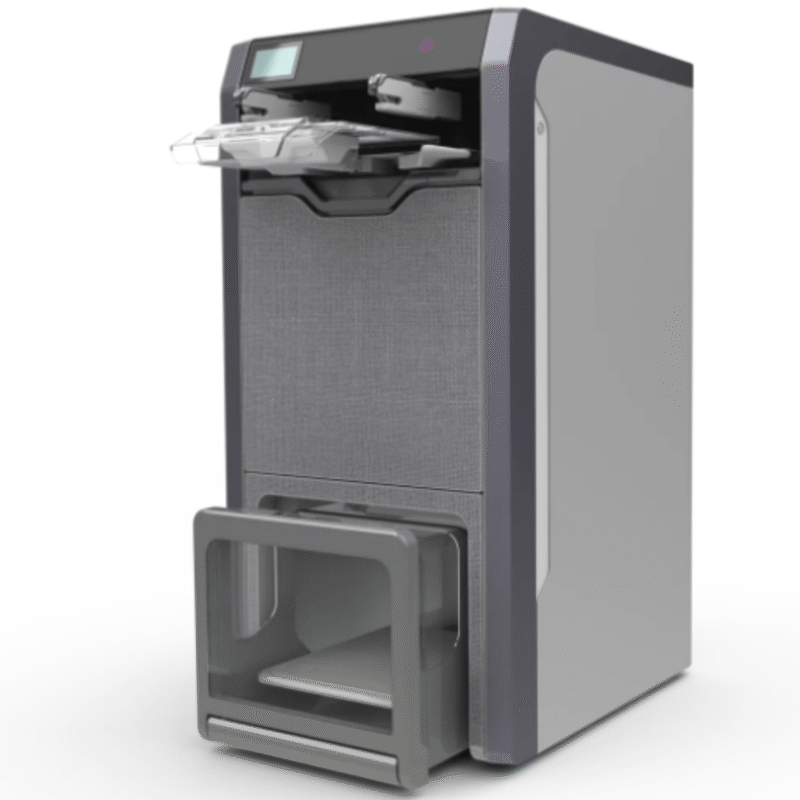
Expect throughput of roughly 20–40 items per hour on household models during continuous use. That rate varies with garment type: plain T-shirts hit the higher end; button-down shirts slow the line. Typical capacity constraints are twofold: single-item feed (you feed items one at a time) and an output stack that holds 10–20 folded items before you need to remove them.
Physical footprint is another practical constraint. Most home models stand 50–120 cm tall and require 30–60 cm depth in front of the machine to feed and stack garments. If you live in a small apartment, measure the utility area and check door clearances before buying.
Concrete numbers from currently available models: the FoldiMate 2025 is compact and tuned for apartment use, while the original FoldiMate offers an entry-level footprint and faster turnaround for basic garments. You can compare exact dimensions and real-life test notes in Automatic folding machine that saves you hours each week.
Which model suits your home and lifestyle
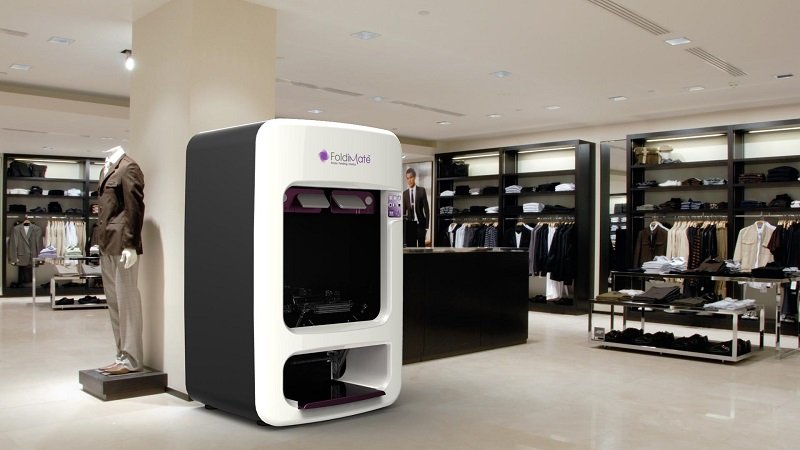
Choosing between models depends on three questions: how many people share laundry duties, what garments you need folded, and how important ironing is. If you live alone or as a couple and mostly handle shirts, trousers and towels, a mid-range model like the FoldiMate 2025 fits well. If you need premium finishing and occasional pressing, the FoldiMate elite adds ironing capabilities.
Use cases and recommended matches:
- Single person or couple focused on convenience: FoldiMate 2025 product page
- Family with moderate weekly laundry (3–6 loads): original FoldiMate automatic laundry folding machine or 2025
- Small household requiring pressed results: FoldiMate elite product page
To match model features to living space and daily routines, consult the comparison notes in Which Fold Machine for Clothes Fits Your Home Best? and selection tips in How to Choose the Right Fold Machine for Your Home?.
Cost, maintenance and real ownership expenses
Prices for home folding machines vary; current model pricing example: the entry-level FoldiMate is listed at 249.99, the FoldiMate 2025 at 349, and the premium FoldiMate elite at 449. Beyond purchase cost, plan for annual maintenance, replacement of wear parts, and electricity use.
Typical ownership costs to budget per year:
- Routine maintenance and part replacement: $20–$80 depending on usage intensity
- Electricity: roughly 3–10 kWh per month depending on cycles — negligible on household bills
- Unexpected repairs or servicing after warranty: $50–$200 one-off, depending on component
Value depends on how many hours you value per week. If a machine saves 3–5 hours weekly and you value your time at $10–$20 per hour, the payback on a $300–$450 purchase appears within months. For an in-depth cost-versus-benefit breakdown, read What is the FoldiMate price and is it worth it? and consumer perspectives in Is a laundry folding robot worth the investment?.
Setup, space planning and daily workflow
Installation is typically plug-and-play: place the unit on a level surface, allow clearance for feeding and output stacking, and plug into a standard household outlet. Some users mount the machine next to a dryer or inside a laundry closet if the door clears; others keep a small stand nearby for a tidy workflow.
Sample daily workflow that scales well:
- Dry laundry and sort into a small basket by type (tops, bottoms, towels).
- Feed items one by one into the machine while you fold any non-compatible pieces by hand.
- Remove and stack folded items into a labeled bin or drawer to preserve order.
- Empty the output bin every 10–20 items to avoid overflow.
Tip: create a two-minute habit after each laundry cycle to feed the first 10 items so the machine runs in short batches and never creates a large backlog. For examples of daily routines and time savings, see Can an automatic clothes folder save you hours each week and real user tests in Automatic folding machine that saves you hours each week.
Frequently asked questions
Are folding machines safe for all fabrics?
Most are safe for common cottons, polyesters and blends. Avoid feeding delicate silks, heavily beaded garments, or anything with exposed zippers and large buttons without checking the manual first. If in doubt, hand fold fragile items.
Do these machines iron clothes too?
Some premium models include a light pressing or steaming feature to reduce wrinkles; the FoldiMate elite includes higher-end finishing functions. However, for crisp, shirt-press results you may still prefer a dedicated iron or press.
How much space do I need for one at home?
Allow roughly 50–120 cm height and 30–60 cm depth plus clearance in front for feeding garments. Measure doorways and closets before purchase if you plan to store the unit out of sight.
Are replacements and service available?
Yes. Most manufacturers sell spare parts and offer service programs. Budget for occasional maintenance — user communities report simple repairs are straightforward and inexpensive compared with appliance repairs.
Which items should I not feed into a folding robot?
Avoid oversized blankets, winter coats, fragile lingerie, and garments with bulky attachments. Check the product manual for specific exclusions per model.
Where can I compare models and find buying options?
Compare current models and buying notes on model-specific pages and category listings. Start with the product pages for the FoldiMate automatic laundry folding machine, FoldiMate 2025 product page, and FoldiMate elite product page. For broader category browsing, see the FoldiMate Machines category.
