Blog
Bag unfolding and folding machine that saves time at home

How a bag unfolding and folding machine saves time at home
Yes — a bag unfolding and folding machine halves or better the time you spend folding bags and light textile items by removing the repetitive manual steps. In a typical kitchen or small retail backroom workflow, a single operator folding by hand averages 20–40 seconds per bag depending on size and complexity. An automatic bag folder reduces that to 3–8 seconds per piece once set up, cutting total task time by 60–90% and turning hours into minutes.
That speed gain matters when you process dozens or hundreds of bags per day. For home use, it removes the chore from weekends and shifts simple sorting tasks into an automated step you can start and forget. For small businesses, it lowers labor cost per bag and keeps packaging consistent. The machines discussed on this page such as the FoldiMate family are designed for semi-delicate items and retail packaging, not heavy-duty industrial sacks, so results are best when you match the machine to the bag type and volume.
What a bag unfolding and folding machine actually does
At its core a bag unfolding and folding machine performs three tasks: open and flatten, fold to a preset pattern, and stack or eject. The device first grips or guides the bag mouth open, fans or feeds the material to remove creases, then uses mechanized plates and rollers to fold to one of several preset formats (single fold, tri-fold, or compact packet). Cycle times depend on material and mode: a thin plastic bag or flat tote finishes in 3–6 seconds; thicker reusable bags or textile bags take 8–12 seconds.
Key measurable specs to expect on consumer-grade units are throughput (pieces per minute), maximum bag or item width, and fold presets. For example, machines aimed at households often support items up to 60 cm wide and deliver 300–600 pieces per hour at steady state. Devices like the FoldiMate series add extra functions such as light de-wrinkling and adjustable fold settings so you can switch between neat retail folds and tighter space-saving folds for storage.
The machine does not replace all manual work. You still need to pre-sort, remove foreign objects, and for some bag types you must preset or clamp edges. But where manual folding creates variability, the mechanical process gives repeatable size and appearance which matters for retail presentation and efficient shelving at home.
Which features matter when choosing a bag unfolding and folding machine
Not all machines are equal. Prioritize these features for a practical purchase:
- Supported widths and thickness — Match the machine to the bags you use. If you fold market totes, aim for 50–70 cm width capacity.
- Fold presets and custom patterns — Choose a device with at least 3 presets and the ability to fine-tune fold tightness so folded volumes stack efficiently.
- Cycle speed and throughput — Look for listed pieces per hour or seconds per cycle. If you handle 200+ items daily, a faster unit pays back in under 6 months.
- Jam detection and easy clearing — A quick-release access panel saves downtime when a bag wrinkles or a seam catches.
- Maintenance and spare parts — Check filter access, belt replacements, and whether the maker publishes repair guides.
Practical extras include an adjustable heat or de-wrinkle option for textile bags and a compact footprint for home use. If you want ironing-like smoothing, consider units with a press module. The FoldiMate elite model adds professional ironing capabilities that reduce the need for separate pressing steps when folding cloth-like bags and accessories.
For help narrowing choices read the detailed tests in the FoldiMate reviews and tests article for specific performance numbers and real-world pros and cons FoldiMate reviews and tests. If you need a checklist to match a machine to your home, compare items using the advice in how to choose the right fold machine choose the right fold machine.
Step by step workflow for everyday use
First sentence that answers the practical question: set a simple routine and you can start folding immediately with under 10 minutes of prep each day. Follow these steps for predictable results.
- Sort and inspect — Remove heavy objects, receipts, or sharp items. Fold or flatten very wrinkled bags by hand before feeding if necessary.
- Set the fold pattern — Choose the preset that matches your storage or display needs: retail display fold, shelf-stable packet, or compact storage fold.
- Load and align — Insert the bag mouth-first into the guide slot. Use the alignment markers on the feeder to keep folds consistent.
- Run batches — Process in small batches of 20–50 items to maintain throughput and lower jam risk. Pause between batches to inspect for wear or wrinkles.
- Stack and store — Use the built-in stacking tray or a dedicated box to collect finished pieces. Label boxes with the fold type to avoid rehandling.
For households, run the machine during a low-noise window or place it in a utility room. For retail, station it near the packing area and pair it with a simple quality check: every 10th bag should pass a quick measurement for fold accuracy. If you want a deeper explanation of how to integrate a folding robot into a home workflow see the FoldiMate machine guide FoldiMate machine guide, which covers setup and daily routines used by owners.
Comparing popular models and price points
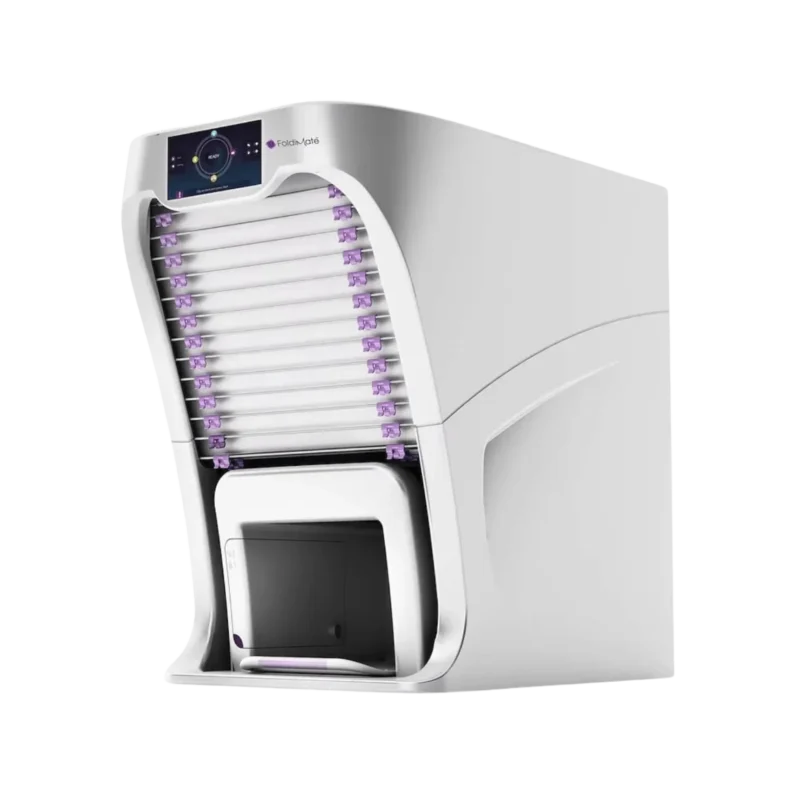
Three consumer-focused models appear frequently in test reports and owner feedback. All three are designed for home and small business use, with different tradeoffs between price and features.
- FoldiMate standard — Entry-level automation for folding and stacking at a lower price point. It handles most flat bags and light textile items and is a cost-effective choice for homeowners who want time savings without advanced ironing functionality. See the product page for details FoldiMate automatic laundry folding.
- FoldiMate 2025 — New generation unit with improved sensors and faster cycle times. It balances price against new mechanics that reduce jams and expand supported widths up to mid-size totes. This model is a strong mid-tier choice when you need speed and reliability without paying for professional ironing.
- FoldiMate elite — Premium model with professional ironing and smoothing, designed for small boutiques or owners who want the neatest possible fold for textile-like bags. The ironing module tightens creases and provides a retail-ready finish at a higher cost but lower downstream prep time. View the premium model FoldiMate elite premium ironing robot.
Price matters: entry models start near the lower mid-range, while ironing-enabled machines carry a clear premium. If your goal is purely throughput and consistency, a mid-tier 2025-generation device often delivers the best cost-per-piece. For presence and retail display quality, the elite model removes the need for a separate press and reduces last-minute touch-ups.
To compare real user experiences and see measured pros and cons, check the review roundup FoldiMate reviews and tests and the article on whether an auto laundry folding machine saves time each week automatic folding machine saves hours.
Maintenance, common problems and quick fixes
Maintaining a bag unfolding and folding machine keeps cycle times steady and prevents costly downtime. Expect to spend 10–20 minutes a week on light maintenance for moderate use. Key tasks are:
- Clean feed rollers — Remove dust and lint every 50–100 cycles. Use a soft cloth and manufacturer-approved cleaner.
- Check and replace belts — Belt wear shows as slipping or inconsistent fold placement. Most belts are user-replaceable in 10–15 minutes.
- Clear jams safely — Follow the quick-release procedure in the manual. Never force a jammed part while power is on; use the manual-reverse function if available.
- Software checks — Update firmware if the manufacturer provides downloads. New firmware can improve sensors that detect bag edges.
Common problems and fixes:
- Misaligned folds — Recalibrate the alignment markers and ensure the bag mouth is fully open when feeding. If misalignment persists, check feed roller wear.
- Frequent jams — Reduce batch size, pre-flatten items, and inspect seams for loose threads that catch.
- Weak grip — Clean or replace worn gripping pads; humidity and residues reduce friction over time.
If you own a FoldiMate unit, the manufacturer site and category pages list replacement parts and troubleshooting notes. For hands-on tips refer to the practical owner workflows in the FoldiMate machine guide FoldiMate machine guide and the article about whether a fold and iron machine is worth adding Is a Fold and Iron machine worth adding.
Is a bag unfolding and folding machine worth the investment
Short answer: yes for households or small businesses that handle 50+ items weekly and value consistency and time savings. How to calculate payback:
Estimate your current labor time. If you fold 200 bags per week at 25 seconds each, you spend 5,000 seconds or about 83 minutes. An automatic machine doing those in 5 seconds each reduces that to 16 minutes. That saves 67 minutes weekly. If you value your time at $15 per hour, weekly savings are roughly $16.75, or about $870 per year. For a machine priced at $350–$450 this is a one-year payback in time value; for retail operations the labor-cost savings can be faster.
Non-monetary benefits matter too: consistent presentation, less repetitive strain, and fewer mistakes during busy packing periods. If you want to test whether automation helps at home without committing to the top-tier model, consider a mid-tier option like the FoldiMate 2025; if you need retail presentation plus ironing finish, the FoldiMate elite is built for that use case. You can view the full lineup under the FoldiMate Machines category FoldiMate Machines category and evaluate specs against your throughput needs using the comparison content on this site Which fold machine fits your home best.
Frequently asked questions
How many bag types will a consumer machine handle
Most consumer-grade machines handle flat plastic bags, paper bags, retail tote bags and thin textile bags up to the stated maximum width. Very thick or heavily structured sacks may not feed correctly. Check the product spec for maximum width and recommended materials, and test a small sample batch before committing to high volume use.
How loud are these machines during operation
Noise levels vary by model. Typical consumer units operate at 50–65 dB, similar to a dishwasher on a low cycle. Premium units with more powerful press modules may be slightly louder. Place the machine in a utility room for noise-sensitive environments.
Can a machine also iron or smooth textile bags
Yes, models with an ironing or de-wrinkle module will press light textile bags as part of the cycle. The FoldiMate elite includes professional ironing capability for retail-ready finishes. For heavy fabrics you may still need a dedicated iron or press.
What maintenance should I expect each month
Monthly tasks include cleaning rollers and sensors, inspecting belts, and testing emergency stops and jam-clearing mechanisms. Plan 10–30 minutes per month for light maintenance under normal household loads; increase checks if you run the machine continuously in a retail setting.
Where can I find detailed user reviews and test results
Owner reviews and lab-style tests are available in the FoldiMate reviews and tests roundup, which compares performance, durability and pros and cons across models FoldiMate reviews and tests. The site also publishes practical owner workflows to help you evaluate real-world time savings automatic folding machine saves hours.
Can I use these machines for commercial packaging
Small shops and boutiques commonly use premium consumer-grade models for packaging and presentation. For high-volume industrial packaging you will need a dedicated industrial folder designed for continuous heavy use. For many small businesses, a mid-to-premium consumer unit offers a strong balance between price, finish and throughput.