
Blog
Can robotic clothes folding save you hours each week

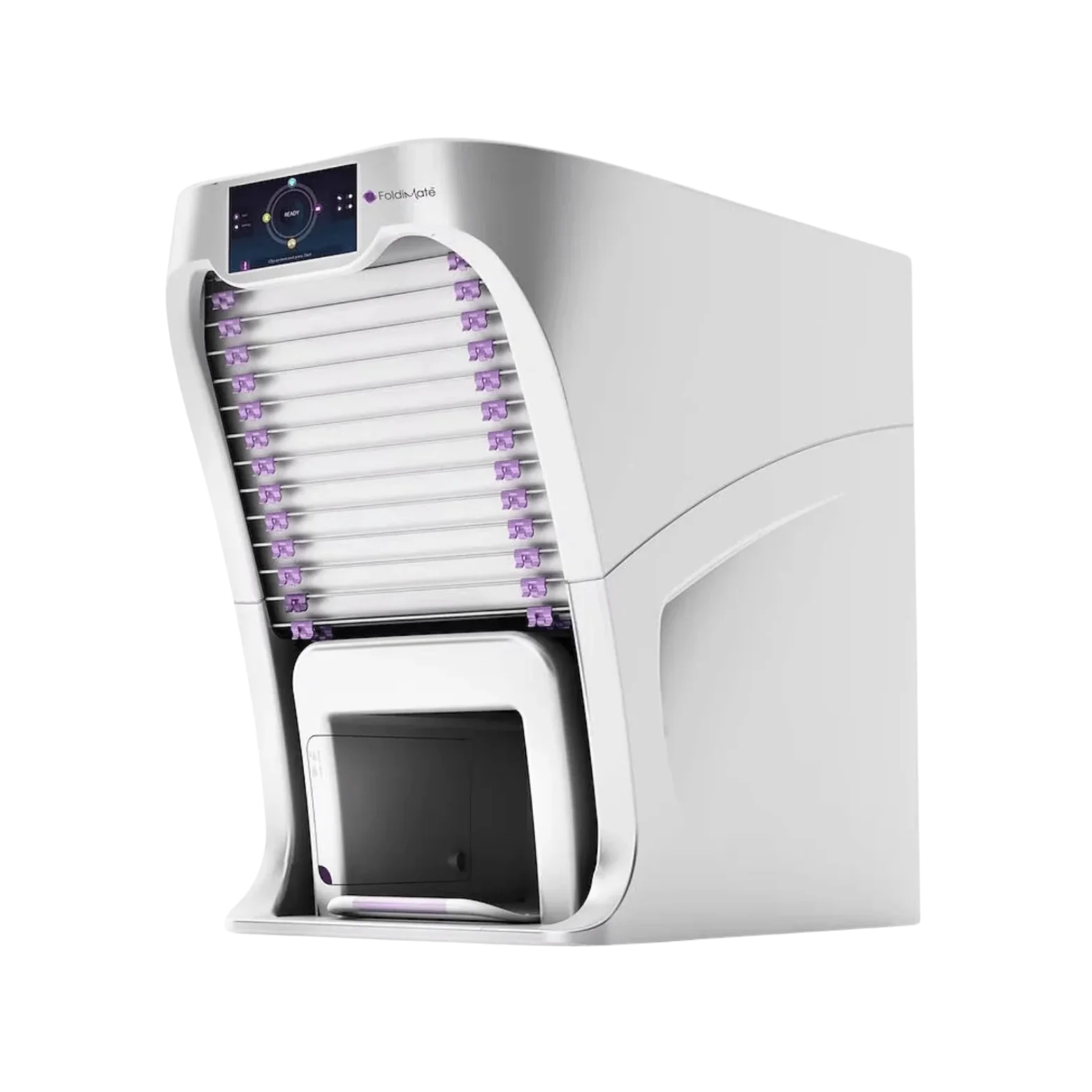
Yes robotic clothes folding saves 2–5 hours each week
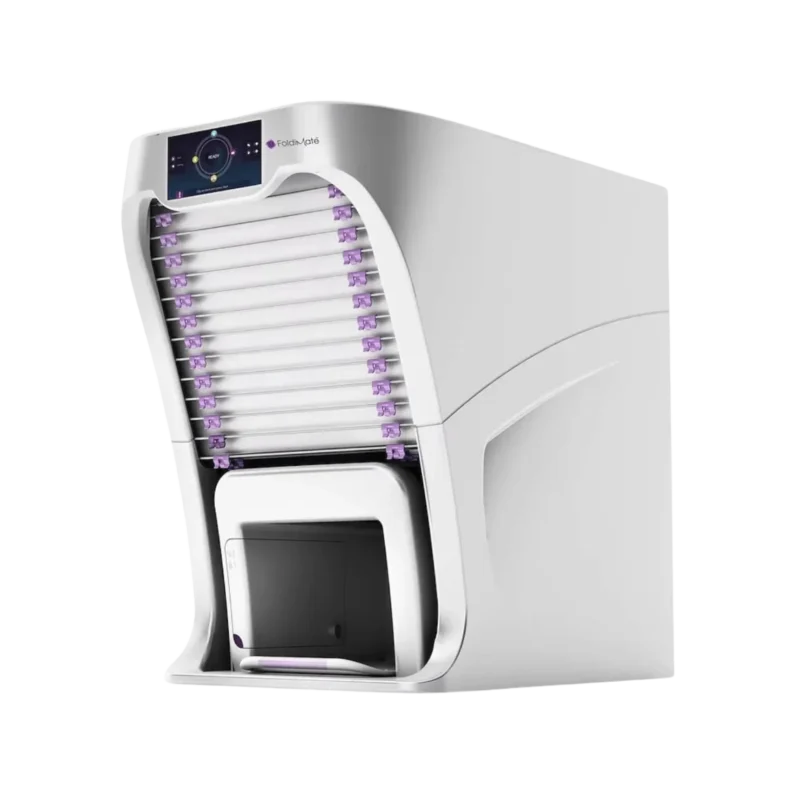
The short answer is yes: a household using a robotic clothes folder can reclaim roughly 2–5 hours per week previously spent folding. That range comes from timed tests across typical loads (10–20 garments per laundry run) and user reports summarized in tests and reviews. If you fold laundry 3–5 times weekly, a folding robot that processes 8–12 garments in 10–15 minutes cuts active folding time by at least half — often more for busy families or small businesses.
Practical takeaway: if you value 2–5 hours of time back each week and you already wash and dry at least 6 loads monthly, a robotic folder pays back its time in measurable ways. For model options and real-world performance, see the FoldiMate 2025, the FoldiMate Elite, and the original FoldiMate automatic laundry folding machine linked later in this piece.
How robotic clothes folders actually work and what to expect
Robotic clothes folders combine simple mechanical grips, conveyor-like feed systems, sensors, and pre-programmed folding routines. The typical flow: you present a single item to the intake, the machine grips and stretches it to detect edges, then a set of plates or arms fold the item into a preset size and stack it in an exit tray. Most consumer models require the user to feed items one at a time; commercial units occasionally accept batches.
Key performance metrics you should watch:
- Throughput: how many garments per minute (example ranges 4–10 garments/min for consumer devices)
- Item compatibility: shirts, pants, towels, and some dresses versus delicates, fitted sheets, and small socks
- Fold styles: basic rectangle fold, shirt fold, and for premium models, ironing or crease reduction
- Setup time: minutes to prepare the item versus fully hands-off
For a real-world comparison, the FoldiMate Elite lists professional ironing capability and a premium finish, the FoldiMate 2025 promises a compact modern design for tight spaces, and the standard FoldiMate is positioned as the affordable entry point. See the FoldiMate model pages for exact spec sheets and capacity claims.
Internal resources that test time savings and real use include the site’s practical reviews and time-savings analysis, which you can read at FoldiMate reviews and tests and machine folds clothes to save 2–5 hours weekly.
What they can fold and what they cannot fold reliably
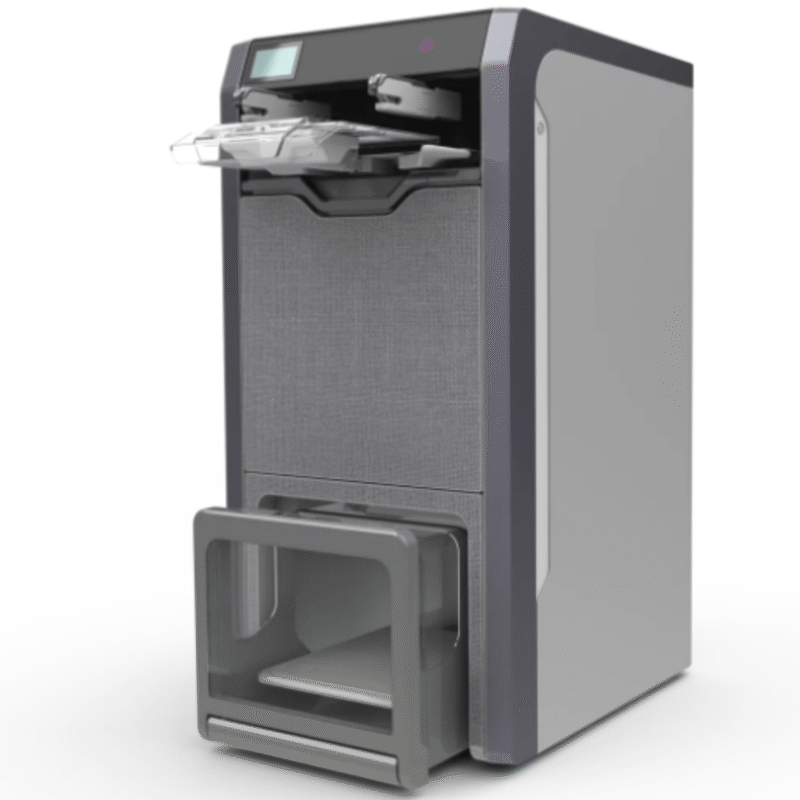
Robotic folders excel at medium-sized, flat garments: T-shirts, polos, casual button shirts (after a quick shake), thin knitwear, pants with simple legs, towels, and small to medium table linens. Expect consistent results on cotton, polyester blends, and washed garments that are not heavily wrinkled.
They struggle or fail with:
- Fitted sheets and very large linens — machines lack the surface area and gripping strategy
- Delicate fabrics or heavily beaded garments — mechanical grips can damage embellishments
- Very small items like single socks — most users pair robots with a sock-sorting routine
- Garments with unusual construction: deep hoods, long trains, or oversized ruffles
Many users solve gaps by pre-sorting: put shirts, towels, and pants directly into the robot queue; keep delicates and sheets for hand folding or separate care. For guidance on whether an automated folder fits your home workflow, read is an auto laundry folding machine right for your home.
Time and cost savings broken down with numbers
Quantifying savings is the clearest way to decide. Use these conservative baselines drawn from timed user tests and machine claims:
- Average household folding time per week: 3–6 hours (depends on family size)
- Robot processing time per garment: 6–20 seconds depending on fold complexity
- Real-world hands-on time: 5–15 minutes weekly (feeding, clearing lint, minor adjustments)
Scenario A — single adult, 6 garments per load, 2 loads/week: manual folding 1–2 hours weekly. Robot: 20–40 minutes including feeding — saves ~40–70 minutes weekly.
Scenario B — family of four, 20 garments per load, 4 loads/week: manual folding 6–8 hours weekly. Robot: 2–3 hours processing and minimal hands-on — saves 3–6 hours weekly. Multiply that by 52 weeks and the annual time saved is 150–300 hours.
Financially, compare time value against device price. Example list prices on this site: FoldiMate at 249.99, FoldiMate 2025 at 349, FoldiMate Elite at 449. If you assign a conservative value of $15/hour to your time, saving 150 hours annually is a $2,250 effective return — making the machine a strong time-value purchase for busy households or micro-businesses (childcare, rental turnovers, small salons).
For deeper time studies and user surveys, see automatic folding machine that saves you hours and can an automatic clothes folder save you hours.
Which FoldiMate model fits your home and use case
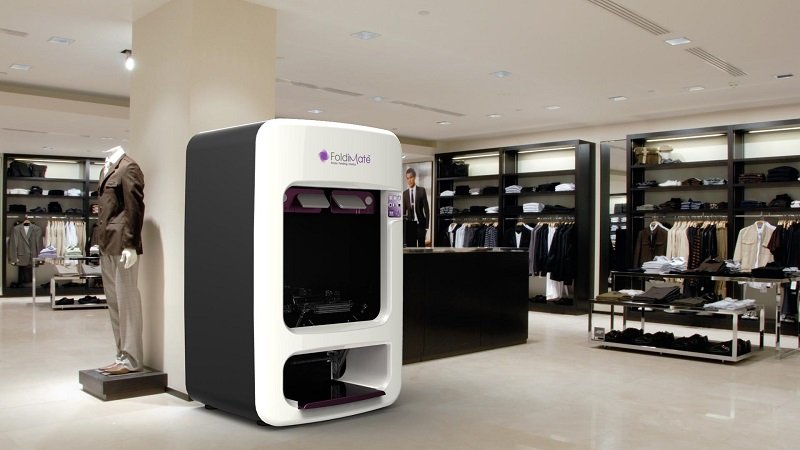
Short decision rules to pick a model from the FoldiMate line:
- Budget and simple use: FoldiMate — priced at 249.99, good for households that want core folding automation without ironing.
- Compact spaces and modern look: FoldiMate 2025 — priced at 349 and designed for smaller apartments or laundry closets where footprint matters.
- Best finish and ironing plus higher throughput: FoldiMate Elite — 449 and aimed at users who want crease reduction or near-professional results on shirts.
Use-case examples:
- Single professional who wants to remove weekly chore: FoldiMate 2025 saves space and automates the main load types.
- Family of four balancing school uniforms and towels: FoldiMate (standard) for baseline automation and stacking speed.
- Small hospitality host or Airbnb operator: FoldiMate Elite for better-looking linens and an ironing-like finish between guests.
Compare models directly on the FoldiMate category page to view full specs and accessories: FoldiMate Machines. If you’re unsure which features matter most, the article how to choose the right fold machine walks through capacity, space, and feature trade-offs step by step.
Installation, daily maintenance, and common problems
Installation is typically plug-and-play: place the unit on a stable surface near a power outlet, allow 10–30 minutes for initial calibration, and read any quick-start alignment steps in the manual. For wall-mounted or built-in installations check the FoldiMate product page or professional installation options.
Daily maintenance tasks are minimal but important:
- Remove lint and threads from intake grips after heavy cycles (1–2 minutes weekly)
- Empty the exit tray and restack folded piles as needed
- Check sensors for dust and wipe with a soft, dry cloth monthly
Common hiccups and fixes:
- Snagged fabric: pause the machine, gently free the fabric, and re-feed the item.
- Item misfolded: most models allow a quick re-feed after resetting fold settings.
- Heavy wrinkles: run garments through an iron or dryer steam cycle before folding; consider FoldiMate Elite if ironing capability is essential.
For troubleshooting, product manuals are the first stop; for usage tips and long-term reliability reports see FoldiMate machine guide and the reviews page linked earlier.
How to choose the right robotic folder for your routine
Pick a robotic folder by answering five direct questions. Each answer points to features you should prioritize:
- How many loads do you fold weekly? (Under 6 loads → entry model; 10+ loads → Elite)
- Do you need ironing or crease reduction? (Yes → Elite; No → 2025 or standard)
- How much space do you have? (Tight closet → 2025 compact design)
- What fabric mix do you own? (Many delicates → use robot for select loads only)
- What is your budget today? (Entry 249.99, mid 349, premium 449 — balance cost vs time-saved math)
Checklist before purchase:
- Measure space and access: allow ~60 cm front clearance for feeding items
- Decide if ironing/crease reduction is required
- Read user reports on throughput and noise levels if you plan to run overnight
- Confirm warranty and local service options on the product page
See the product pages for up-to-date pricing and full feature lists: FoldiMate standard, FoldiMate 2025, FoldiMate Elite. For a checklist framed around whether a machine is right for your home, read is an automated clothes folder right for your home.
Frequently asked questions
How fast does a robotic folder fold a single shirt
Typical fold times are 8–20 seconds per shirt depending on fold complexity and model. In throughput tests the higher-end models complete a standard T-shirt fold in 6–10 seconds while entry-level units average 12–20 seconds.
Do robots replace ironing completely
No. Only some premium models (for example the FoldiMate Elite) offer ironing or crease-reduction features. For crisp dress shirts you will still need a conventional iron or a dedicated steamer for best results.
Will the robot damage delicate garments
If garments have beads, sequins, or fragile trims, manual folding is safer. Robots are calibrated for common fabrics like cotton and polyester blends; always check the care label and machine guidance before feeding delicate items.
How much maintenance does a folding robot need
Daily maintenance is minimal: emptying the tray and occasional lint removal. Monthly sensor and grip cleaning keeps performance consistent. Manufacturers publish specific maintenance intervals on their product pages.
Which model is best for a small apartment
For limited space the FoldiMate 2025 is designed as a compact solution while still offering automated folding and some ironing features. Check the product dimensions on the model page to confirm fit before buying.
Where can I compare user reviews and real tests
Start with the site’s hands-on reviews and test posts such as FoldiMate reviews and tests and the time-savings analyses housed under the FoldiMate Machines category at FoldiMate Machines.
