Blog
Does a washing machine that folds clothes exist today

Can a washing machine fold clothes
Short answer: not in the conventional sense — mainstream washing machines wash and sometimes dry, but they do not fold. If you want clean clothes to come out folded automatically you need a separate folding device or robot that takes garments after the washer/dryer cycle and folds them for you. Integrated washer-dryer-fold units that claim to fold are still rare, experimental, or rely on an external attachment or companion device.
Why this matters: folding is one of the most time-consuming parts of laundry. If you fold 10–20 items per load and do laundry twice a week, you spend 2–4 hours monthly folding. That’s why many homeowners are asking whether a single appliance can now handle washing, drying and folding in one go — and whether the extra cost is worth it.
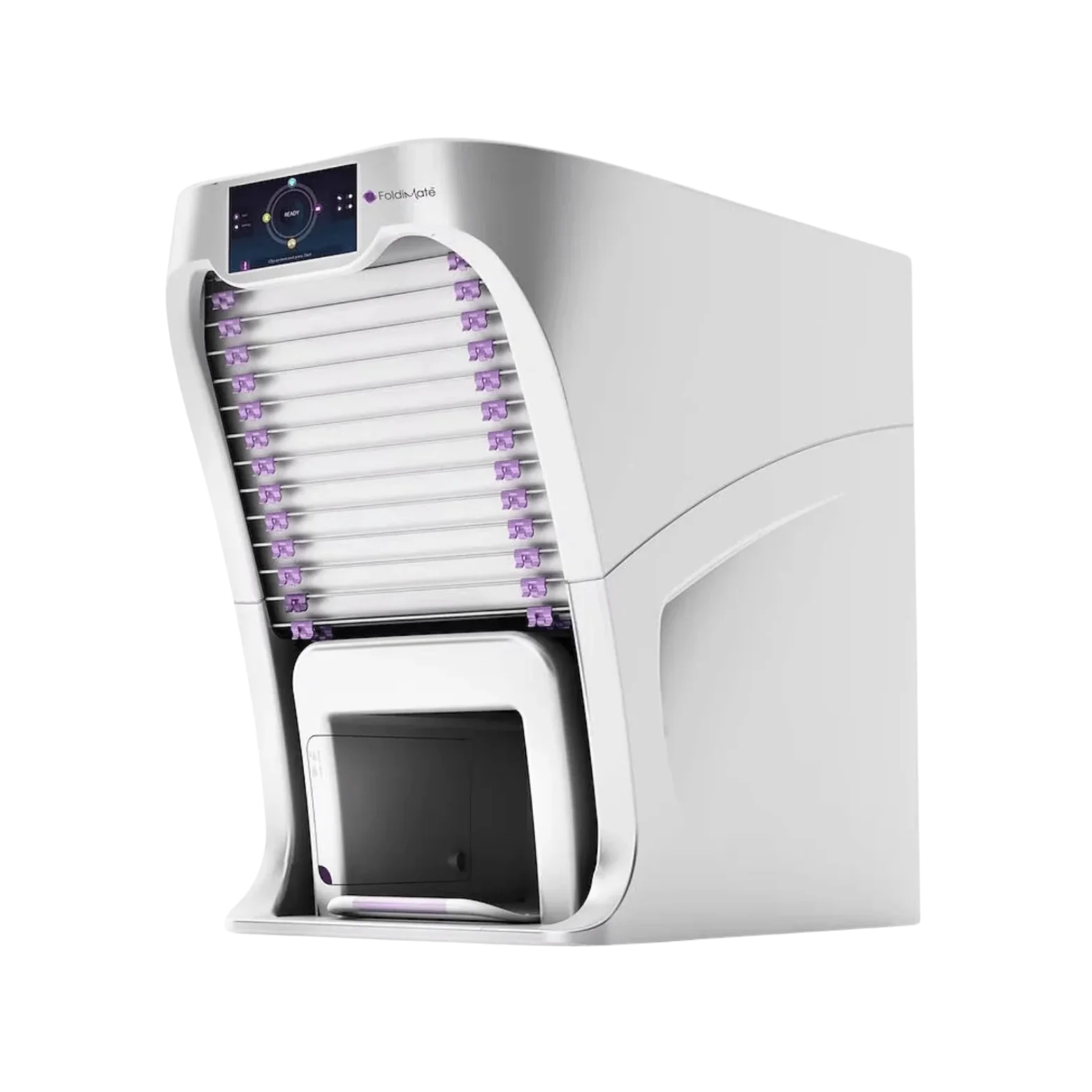
For real-world solutions today, look at dedicated folding machines like FoldiMate models that receive loose garments and output folded shirts, pants and some other items. To explore whether such a machine fits your routine see the evaluation in washing machine that folds clothes.
How automatic folding machines actually work
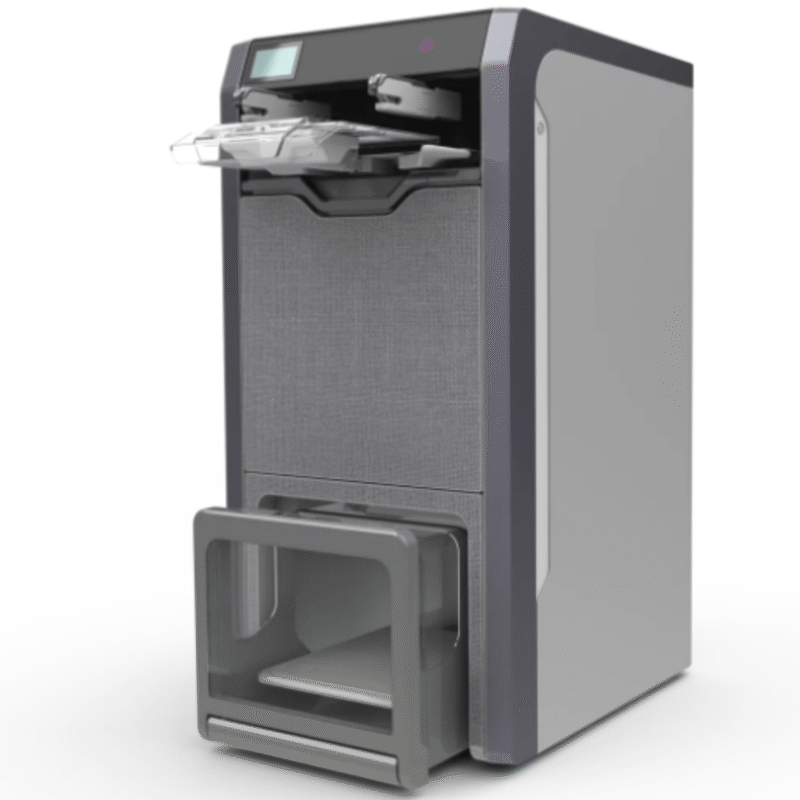
Automatic folding machines are mechanical systems that accept loose garments one by one (or in small batches), detect garment type, apply tensioned trays or grippers, and fold along predefined panels. Most modern consumer models use a combination of sensors and mechanical guides rather than complex AI vision systems. Typical workflow:
- Preparation: you smooth or button shirts, shake items out, and feed them to the intake.
- Identification: the machine reads tags, shape, or pulls the garment into a series of clamps.
- Folding sequence: automated arms or folding plates create the main folds — body, sleeves, and hem — then stack the finished item into an output tray.
Performance numbers you can expect: most consumer folders handle between 5 and 10 items per minute depending on garment complexity. A simple T-shirt may take under 20 seconds; a button-down shirt or trousers can take 20–40 seconds. Machines that add ironing or steaming increase cycle time for better finish.
Limitations of the mechanism include difficulty with very large items (bedsheets), very small items (tiny socks), highly elastic fabrics, and garments with tricky fastenings or draped shapes. For the full user experience and timing tests, read independent checks in Foldimate Reviews – Real Tests.
Which models fold and iron too
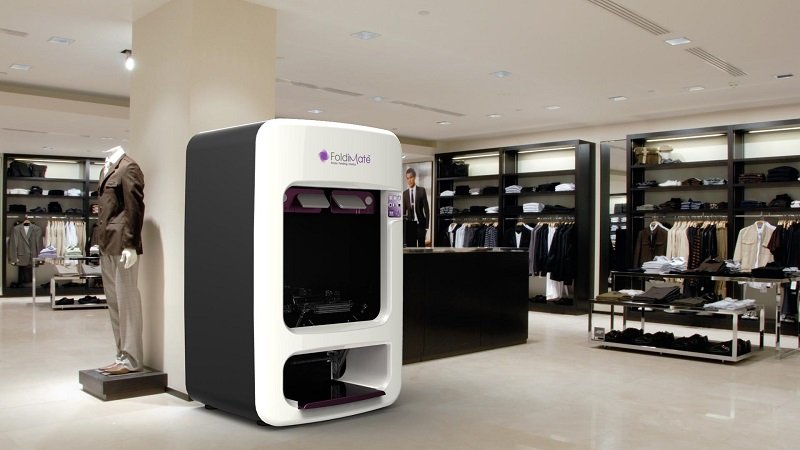
Some folding machines focus strictly on folding; others combine fold and finish steps. The FoldiMate Elite is designed to fold and provide a professional ironing finish on many garment types. That extra finishing adds time per item but reduces the need for a separate iron or steamer.
How ironing integration changes the decision: if your wardrobe includes many dress shirts, blouses or business wear, a fold-and-iron model reduces repeated touch-ups. If you mostly wear casual t-shirts and activewear, a purely folding model is often faster and cheaper.
Price and features to compare among combined models:
- Finish level — steam-only vs heated presses.
- Supported garments — some models explicitly support shirts, trousers, skirts, light dresses; others exclude delicate fabrics.
- Cycle time — ironing adds 10–45 seconds per item depending on wrinkle level.
For a direct look at model differences and whether ironing is worth the extra cost see Is a fold and iron machine worth adding to your home.
How to integrate a folder into your laundry routine
Adding a folding robot doesn’t magically remove the earlier steps: you still need to wash, dry, and do a small bit of prep. A practical sequence that works for most households:
- Wash by load type: colors, delicates, heavy items.
- Dry appropriately: many folders expect items to be fully dry or only slightly damp for steaming models.
- Prep before feeding: button collars, zip open garments, pair socks if you want them stacked by the machine, and shake out large creases.
- Feed items consistently: shirts head-first, pants double-folded where required by the model.
- Collect folded stacks from the output tray and store immediately to avoid re-wrinkling.
Small habits speed results: designate a flat surface next to the dryer to stage items, keep a lint roller and a small basket for special cases, and teach household members how to feed items correctly. For timing benchmarks and routines that save the most hours, the automatic folding machine that saves you hours each week article details realistic gains and how families structure workflow.
Practical tip: if your model supports steaming, feed lightly damp garments to prioritize de-wrinkling; if not, ensure full dryness to avoid heat damage in the folding mechanism.
Costs, space and when buying makes sense
Price matters and so does the space the device will take. Current household folding machines sit in a few price bands. Examples from current offerings:
- FoldiMate automatic laundry folding machine — 249.99
- FoldiMate 2025 — 349
- FoldiMate Elite — 449
Space: most consumer folders are countertop or floor-standing units roughly the footprint of a small cabinet. Measure a 60–80 cm wide by 40–60 cm deep area and confirm door clearance. If you plan to place the unit in a laundry closet, ensure power outlet access and ventilation space.
When buying makes financial sense: estimate your hourly value of time and how much folding you actually do. Example calculation:
| Assumption | Value |
|---|---|
| Folding time per week | 2 hours |
| Hourly value of time | $15 |
| Weekly saving | $30 |
| Yearly saving | $1,560 |
Under that scenario, even a $349 machine pays back in under a year in value. If your folding time is 30–60 minutes weekly, payback extends to multiple years. Beyond dollars, consider non-monetary benefits: fewer arguments about chores, quicker mornings, and more usable closet space when clothes are consistently folded.
For deeper buying advice and model selection help see how to choose the right fold machine and Is a laundry folding robot worth the investment.
Limitations and what these machines cannot do well
Knowing limits prevents disappointment. Common problem areas:
- Bulky household linens: fitted sheets, large comforters, and oversized blankets are generally not supported.
- Small/paired items: very small socks, gloves and tiny accessories either jam or require manual pairing afterward.
- Delicate or oddly shaped garments: fringe, long tassels, heavy pleats, or asymmetric dresses often need hand folding or specialized handling.
- Mixed fabric problems: very stretchy knits can slip during folding and produce uneven results.
Operational issues to expect in day-to-day use: occasional jams, the need to refold items incorrectly fed, and maintenance such as cleaning lint and emptying an output tray. Manufacturers publish supported garment lists and care warnings; if you plan to fold dresses or formal wear, read the model support details in dress folding machine.
When a folder is not a good fit: if your laundry consists mostly of linens, duvets, or irregular boutique garments, the device will not replace hand folding. If a large share of your wardrobe is delicate or requires special folding for storage, consider hybrid approaches: a folder for day-to-day garments and manual care for special pieces.
Where to buy, compare and what to check before purchase
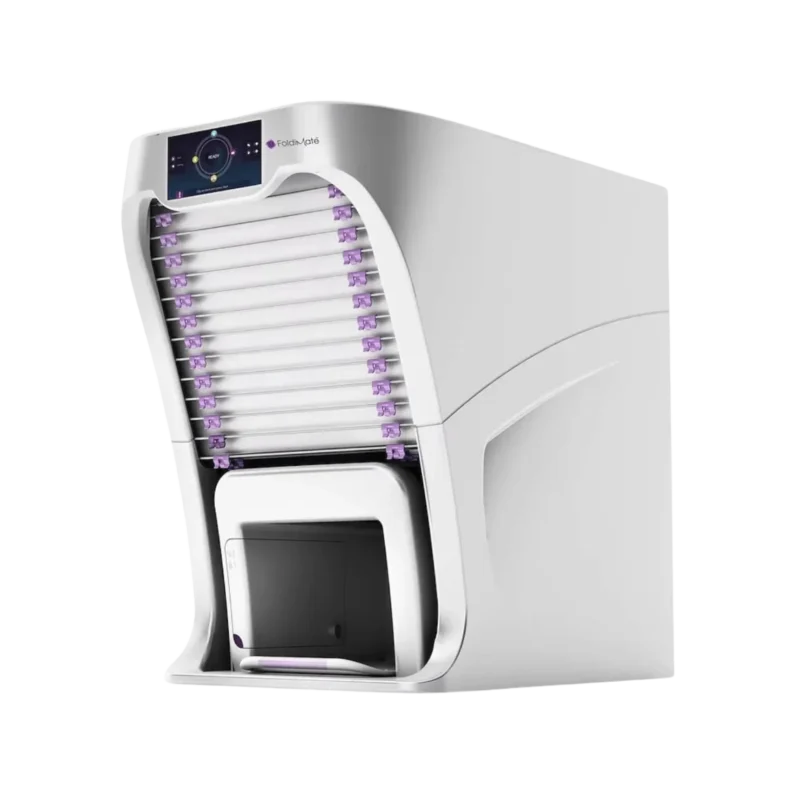
Start at authorized product pages and certified resellers. The FoldiMate lineup is available with full product pages that list features and specifications. Compare models side-by-side on these criteria:
- Supported garment list — shirts, trousers, skirts, dresses, towels.
- Cycle time — average seconds per item for everyday garments.
- Finish options — fold-only versus fold and iron/steam.
- Dimensions and weight — verify the unit fits your laundry space.
- Warranty and service — check replacement parts and support options.
Product links to compare directly:
- FoldiMate automatic laundry folding machine — entry model for household folding.
- FoldiMate 2025 — new generation with updated mechanics.
- FoldiMate Elite — premium folding plus ironing finish.
Also browse the category for all models at FoldiMate machines product category. If you need more help narrowing choices, the comparison article Which Fold Machine for Clothes Fits Your Home Best walks through decision points based on household size and wardrobe type.
Buy tip: look for demo videos and real-user reviews that show folding output stacks. The look of a folded shirt from early consumer folders varies; video evidence is usually the fastest way to confirm quality.
Frequently asked questions
Will a washing machine ever really fold clothes on its own
Not yet for mainstream consumer units. Integrated washer/dryer/folders are conceptually possible but currently uncommon. Most practical solutions link a washer/dryer with a separate automatic folder like FoldiMate models, which you feed after drying.
How long does folding take per item
Expect about 10–40 seconds per item depending on garment complexity and whether the machine also irons or steams. T-shirts are fastest; button-downs and trousers take longer.
Can these machines fold all fabrics and sizes
No. They handle common garments: T-shirts, casual shirts, trousers, and some skirts. Very large linens, fitted sheets, tiny socks, and delicate couture are usually excluded. Check the supported garment list on the product page before buying.
Is a FoldiMate worth the money
That depends on how you value time and the mix of clothes you own. If you spend multiple hours weekly folding and mostly wear machine-friendly garments, models priced between 249.99 and 449 can pay back in months to a couple of years when you account for time saved and convenience. For a deeper cost-benefit analysis read Is a laundry folding robot worth the investment.
Where can I see these machines in action
Look for demo videos on product pages and independent review posts. The product pages for the FoldiMate lineup and the site category show images, specs and often embedded videos: FoldiMate machines product category.
How much maintenance do folding machines need
Expect routine maintenance such as removing lint, clearing occasional jams, and following manufacturer cleaning steps. Heavier use may require part replacement over several years; confirm warranty and parts availability before purchase.
