
Blog
Robot clothes folding machine that saves hours weekly

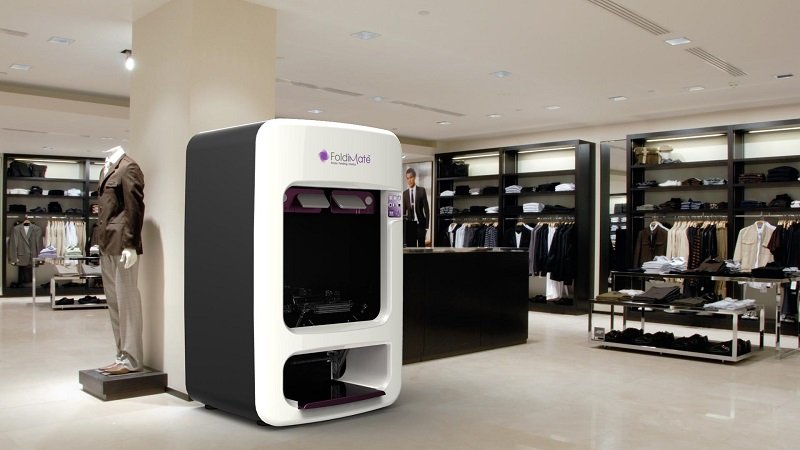
Yes a robot clothes folding machine can save hours weekly
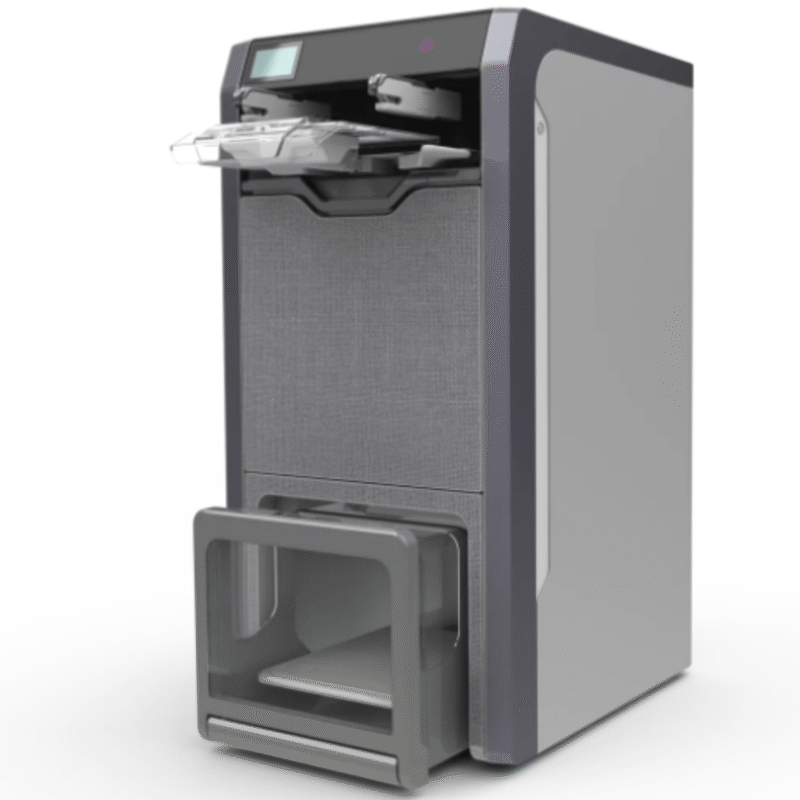
Yes — a modern robot clothes folding machine can cut 2–6 hours of folding every week for an average household of 2–4 people. That figure comes from timing common folding tasks: folding a load of mixed laundry by hand takes about 10–20 minutes depending on sorting and garment types. A machine that folds continuously while you do other tasks reduces that to 2–6 minutes of supervision per load. For busy homes, that adds up to several hours saved each week and dozens of hours per year.
Voir aussi : Auto folding clothes machine that saves two hours weekly
Which machine achieves that depends on capacity and cycle speed. The FoldiMate automatic laundry folding machine is designed for daily household loads and aims to deliver consistent, neat folds at roughly 20–40 garments per hour depending on settings. For households that want ironing as well, the FoldiMate elite adds an ironing option. If you prefer a compact modern model, the FoldiMate 2025 targets smaller spaces while keeping similar folding performance.
If your main goal is reclaiming time rather than perfect retail-style folds, a folding robot is a practical investment. For hands-on tests and real-world timing read the in-depth review roundup at Foldimate Reviews and tests which compares how long each model saves per week.
Which clothes a robot clothes folding machine can handle and which it cannot
Most consumer folding robots handle standard everyday garments: T-shirts, polo shirts, casual button-downs, trousers, jeans, light sweaters, bath towels, and pillowcases. They also fold some flat items like thin table linens. Typical limits are thick bulky items, very large comforters, fitted sheets, and very small or oddly shaped items (mittens, scarves, underwear bundles) which either jam or require manual folding.
Specific size and thickness limits vary by model. For example, many machines take shirts up to adult large sizes and pants up to a standard full length; oversized hoodies, heavy winter coats, or garments with long tassels can exceed the sensors’ handling range. Delicates with lace, very loose-knit sweaters, or items that require special folding patterns still need a human touch.
If you plan to fold dress shirts folded for storage rather than hanging, check if the machine supports collar and cuff handling. Some models include a light pressing or smoothing step designed to reduce creases, but they do not replace professional ironing for crisp shirt fronts. For a clear list of what to expect in practice, see the test comparisons in automatic folding machine saves hours and the model compatibility notes at the FoldiMate 2025 product page.
How to set up and use a robot clothes folding machine at home
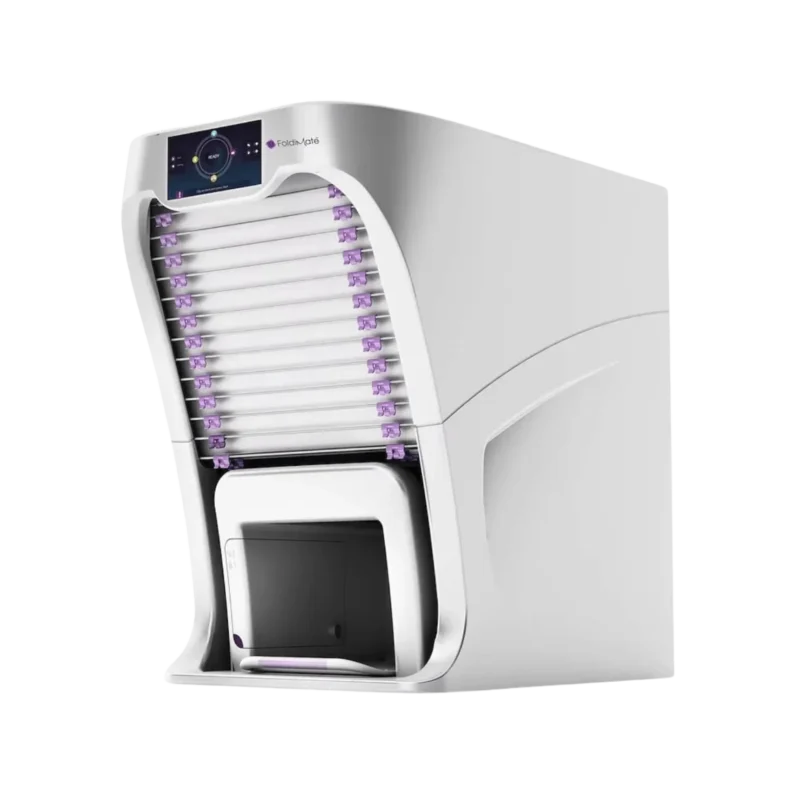
Setting up a folding robot is straightforward and takes about 15–30 minutes the first time. First, choose a stable, level spot near a standard power outlet and with at least 60 cm (24 in) clearance in front for garment feed. Most home models weigh between 18–35 kg; clear a place on a counter, laundry table, or sturdy floor area. Unbox, plug in, and run the initial calibration per the quick start sheet.
Preparation steps that save time during operation:
- Empty pockets and zip closed any zippers to avoid jams.
- Sort by type if you want grouped outputs (shirts vs towels).
- Smooth heavily wrinkled items first—machines fold best on mostly flat garments.
- Feed garments one at a time following the machine’s feed guidelines.
Typical workflow: rinse, wash, dry, then immediately feed each item into the folder while still warm. Warm fabrics crease less and the machine’s built-in smoothing works better. Expect a short learning curve: in the first week you’ll refine sorting and feeding to match your wardrobe. The FoldiMate machine guide has step-by-step tips and common setup mistakes to avoid at Foldimate machine guide.
How much a folding robot costs and when the math makes sense
Prices for consumer folding robots vary by features: the FoldiMate regular model is listed at 249.99, the FoldiMate 2025 at 349, and the FoldiMate elite with ironing at 449. Those are the starting retail figures; check current offers and bundles before purchase. To evaluate value, compare time saved to the purchase price and personal time value.
Example ROI calculation: assume a household saves 3 hours weekly. Over 52 weeks that’s 156 hours saved per year. If you value your time at $15 per hour, the annual time value is $2,340. At that rate, a machine priced at 349 pays back in under two months of full-time equivalence. Even if you conservatively estimate only 1 hour saved weekly, the yearly value is $780 which still covers a mid-range machine in less than a year for households that prioritize reclaiming weekend time.
Other financial considerations:
- Maintenance costs are low: occasional sensor cleaning, lint removal, and a small parts warranty period are typical.
- Electricity draw is modest compared with a dryer; total running cost is a few dollars per month.
- Resale value depends on condition and model demand; premium models with ironing typically retain more value.
For a buyer-focused breakdown of price versus features consult FoldiMate price and value which walks through practical scenarios for busy homes and single professionals.
Common maintenance tasks, limits and quick troubleshooting
Maintenance is mostly preventative and quick. Expect to spend 5–15 minutes every 2–4 weeks clearing lint, wiping sensors, and checking feed rollers. Keep a lint brush and a soft microfiber cloth nearby. Replace any disposable smoothing pads if your model uses them; for models with ironing modules, follow the manufacturer’s guidelines for descaling and pad replacement.
Common issues and fixes:
- Jams: pause the machine, open the access panel, remove the item, and check for obstructions. Re-feed garments individually.
- Uneven folds: ensure garments are fed flat and not bunched. Slightly damp or warm items fold better.
- Sensor errors: clean sensor lenses and reset the machine. If persistent, contact support with the error code.
Design limits matter: machines are optimized for speed and consistency, not for custom organizational systems like file folding for archival storage. If you need perfectly crisp dress shirts for formal wear, a dedicated iron or professional pressing will still be superior. For everyday wardrobes, the time savings and consistent results make maintenance a low-effort tradeoff. More on reliability and real-world pros and cons is available at can an automatic clothes folder save you hours and in the full review series at Foldimate Reviews and tests.
Where to buy, what to check before buying and setup checklist
Buy from official dealers or the manufacturer site to ensure warranty coverage and access to support. Before purchasing check these items:
- Physical dimensions and weight to confirm it fits your chosen spot.
- Supported garment types and any size or thickness limits listed on the product page.
- Warranty length, replacement part availability, and returns policy.
- Whether the model includes ironing or only folding—models like the FoldiMate elite add professional ironing functionality.
- Power requirements and noise level if the device will run near living areas.
Use this short pre-purchase checklist when comparing models: measure the intended footprint, list the most common garments you’ll fold, pick a target weekly time saving, and set a budget. Then compare the options on the FoldiMate machines category at FoldiMate machines category. For assistance deciding which model fits a busy household, see Which Fold Machine for Clothes Fits Your Home Best which narrows choices by family size and wardrobe type.
When your machine arrives, schedule an unpack-and-test session: unbox, run the setup calibration, fold a small batch of everyday shirts and towels, and check results. That first 30–60 minute session confirms the machine is functioning and helps you refine feeding technique to maximize speed and consistency.
Frequently asked questions
How many garments per hour can a folding robot process
Typical consumer models fold between 20 and 60 garments per hour depending on garment mix and machine speed settings. Lightweight garments like T-shirts and towels are faster; heavier garments and those requiring smoothing take longer. Expect real-world throughput near the lower end if you include sorting and occasional jams.
Will a folding robot replace my iron
Not entirely. Machines with ironing modules, such as premium models, can reduce creases and apply light pressing for storage-ready folds, but they do not match a full professional press for crisp dress shirts. Use a folding robot for everyday wear and reserve ironing for formal clothing.
Are folding robots noisy and do they use a lot of power
Noise varies by model; most consumer units run quieter than a dryer and are comparable to a quiet vacuum in normal operation. Power consumption is low — typically under 100 watts average during use — so running cost is only a few dollars per month compared with laundry appliances.
Can the machine fold kids clothes and small sizes accurately
Yes, many machines handle children’s clothing well, though very small garments may need manual grouping before folding. Check the product specifications for minimum size recommendations and test a small sample batch after setup.
How often do parts need replacement and is service available
Consumables such as smoothing pads or filters may need replacement every 6–12 months based on frequency of use. Mechanical wear parts are built to last several years in typical household use. Purchase from authorized sellers to ensure warranty support and access to spare parts; see the official product pages linked above for warranty details.
Which FoldiMate model should I choose for a small apartment
The FoldiMate 2025 targets compact spaces with a smaller footprint while maintaining folding and smoothing capabilities. For more hands-on comparisons and setup tips tailored to small homes, read is an automated clothes folder right for your home and the product listing at FoldiMate 2025 product page.
