Blog
Is a self folding dryer the right upgrade for your home?

When you first hear the term self folding dryer, it can sound like science fiction: a compact device that not only dries or steams garments but also folds them neatly, saving you the repetitive task that fills so many evenings. In practical terms, these machines are designed to slot into a household routine and reduce friction around laundry—especially for busy families, people who work long hours, or anyone who simply dislikes folding. I want to share a grounded view of how these devices perform day to day, the real benefits and trade-offs, and why models such as FoldiMate – The authentic automatic laundry folding machine and robot, FoldiMate 2025, and FoldiMate Elite have become common answers to the same household pain point. Over the next several sections I’ll walk through how they work, what to expect the first month you bring one home, and practical tips for choosing and using the right model for your lifestyle.
The first thing to be honest about is that a self folding dryer won’t completely erase laundry; it changes where and how you invest time. You’ll still sort, wash and often hang or dry certain delicate items. What these machines do best is the repetitive, time-consuming part: turning piles of dry clothing into a stack that’s ready for drawers or wardrobes. In my experience, the emotional payoff—less dread, neater closets, and a visible reduction in laundry backlog—can be as valuable as the clock time saved. I’ll include specific comparisons to help you decide whether a basic, midrange or premium model is a better match for the volume and variety of clothes you manage.
Why consider a self folding dryer?
There are several concrete reasons many households consider adding a self folding dryer. First, time savings. If you fold laundry for 30 to 90 minutes several times a week, automating the folding step frees up real minutes you can spend on work, family or rest. Second, consistency: machines fold in a standard way, which keeps drawers looking organized and reduces the need to re-fold items after they’ve been stored. Third, garment care: models that combine gentle steaming or light ironing can reduce wrinkles and make shirts and trousers look fresher without a separate iron session. For example, the FoldiMate Elite emphasizes wrinkle reduction through steam technology, which is useful if you prefer shirts or workwear to look crisp straight from the machine.
Beyond those obvious gains, there are lifestyle reasons that matter: shared household labor, increased usable free time, and reduced stress around small chores. If you live with family members who avoid folding, a machine can remove a sticking point in shared responsibilities. If you run a small home business or Airbnb and need to handle linens efficiently, a compact folding device can streamline turnover. And for people with limited mobility or joint pain, reducing repetitive movements can be a quality-of-life improvement. I’ll later suggest placement and setup tips so the machine integrates into daily habits rather than becoming an extra appliance to manage.
How self folding dryers work and what to expect
At a fundamental level, these devices accept a garment, detect its type or size through simple sensors or manual selection, and then perform a sequence of smoothing, flattening and folding. Expect an initial learning curve: you’ll learn the best way to present shirts, pants and t-shirts so the machine can handle them consistently. Many owners find the first few loads take longer because they’re discovering the ideal orientation and how to quickly attach or load each item. With practice, the cycle time becomes predictable and much faster than hand folding—especially with newer units that advertise quick fold times per piece.
There are practical limitations worth noting. Not every fabric or complex garment will work perfectly: heavy bedding, very small items like socks, and garments with lots of buttons or zippers may require manual attention. The machines are optimized for common clothing: shirts, T-shirts, light sweaters, trousers and some dresses. If you own a lot of delicate or oddly shaped pieces, you’ll still be doing a portion of the work by hand. But for everyday laundry—t-shirts, polos, casual pants—the payoff is immediate. Knowing which items to route through the machine and which to reserve for a quick hand fold will maximize the device’s value and minimize frustration.
Comparing popular models: approachable, faster, and premium options
When you compare available models, it helps to group them by what they prioritize: affordability and basic automation, speed and compactness, or premium features like advanced steaming and professional ironing. The FoldiMate – The authentic automatic laundry folding machine and robot represents a solid entry point. Priced attractively, it offers reliable folding and smoothing for the majority of everyday garments and is ideal if you want to test the concept without a large investment. For those who need more speed and a smaller footprint, the FoldiMate 2025 is designed to be faster and smarter, handling many garments in short cycles. If you require professional-level finish and are willing to invest more, the FoldiMate Elite focuses on speed and wrinkle removal through steam and stronger motors.
To provide a clear point of reference, I’ve compiled a practical comparison table summarizing price, core strengths and a quick pointer to help decide which category fits you best. This is a high-level snapshot; later sections dive into day-to-day differences and user tips that matter more than specs alone.
| Model | Typical Price | Strengths | Best for |
|---|---|---|---|
| FoldiMate (authentic) | $249.99 | Reliable folding, accessible price | First-time users, tight budgets |
| FoldiMate 2025 | $349.00 | Faster cycles, compact design | Busiest households, small spaces |
| FoldiMate Elite | $449.00 | Steam finish, professional look | Professionals, neat wardrobes |
Seeing the machines in context: images and placement
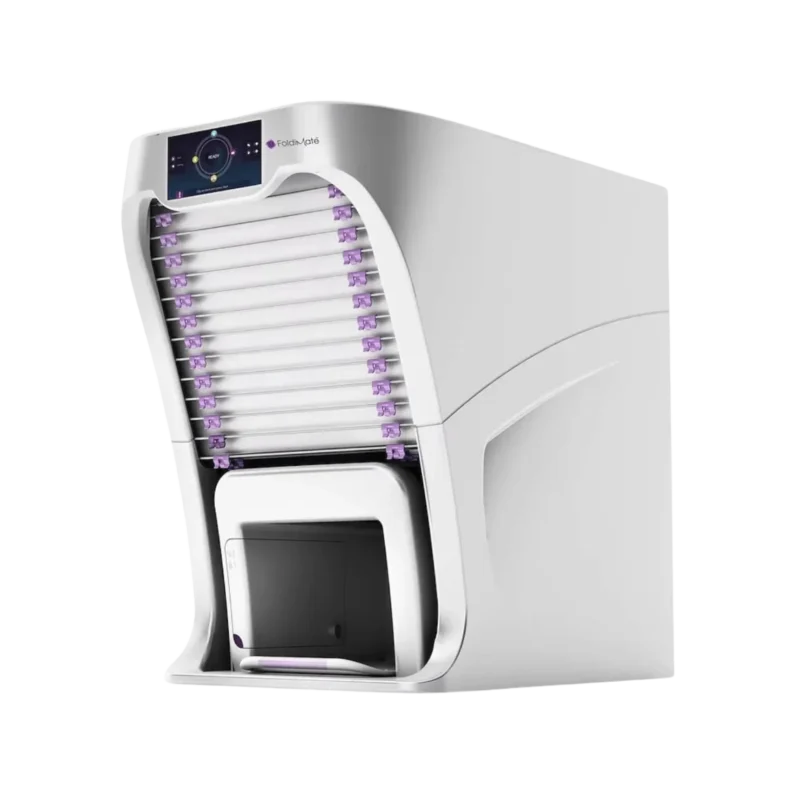
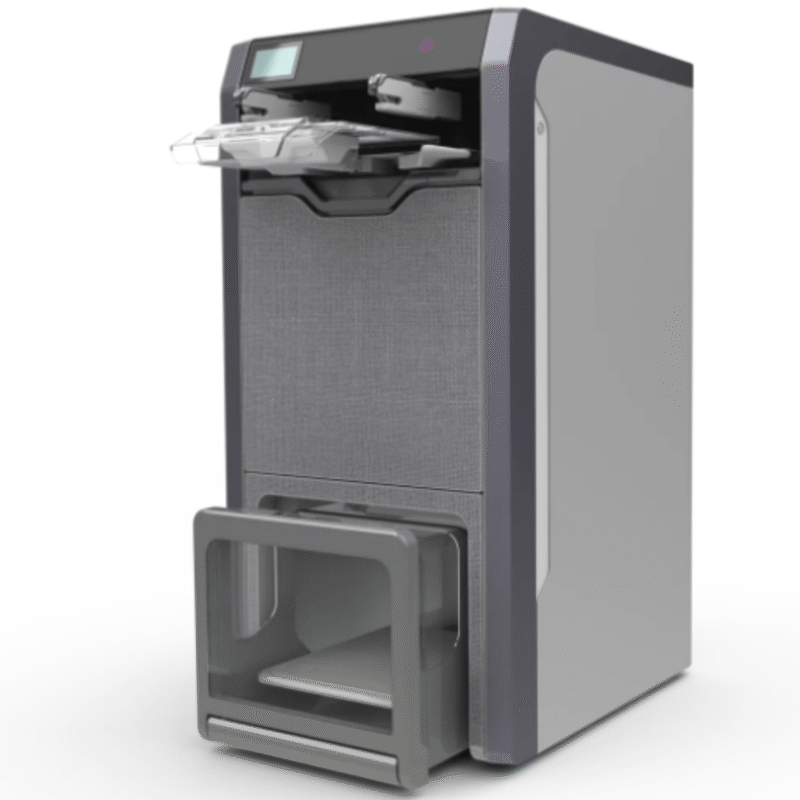
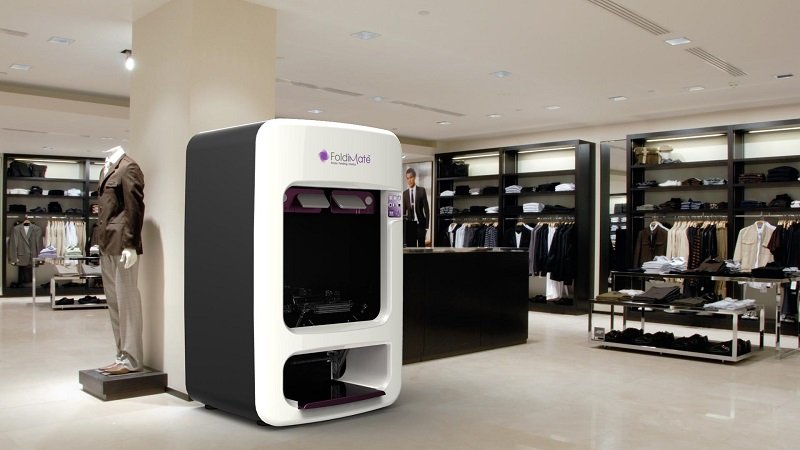
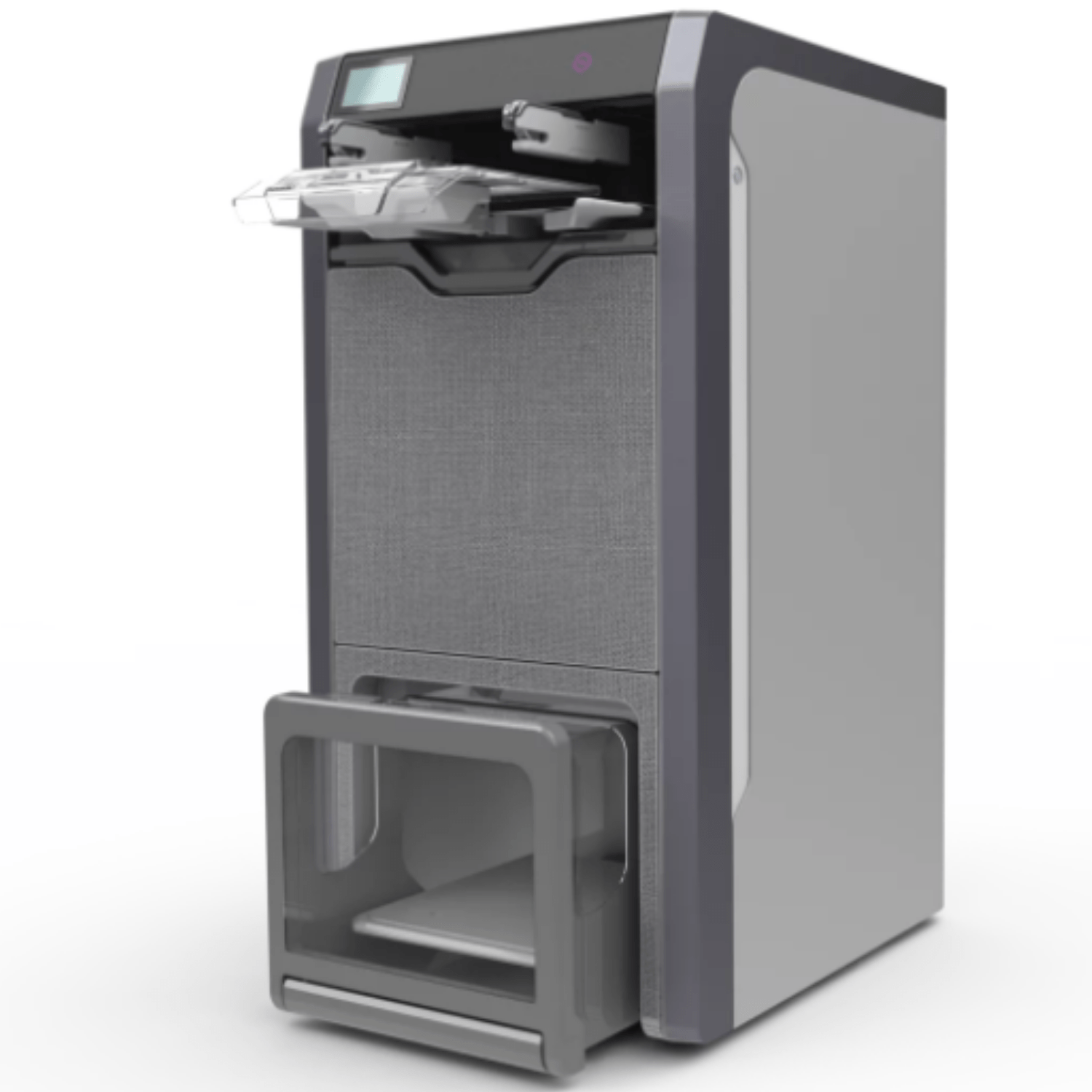
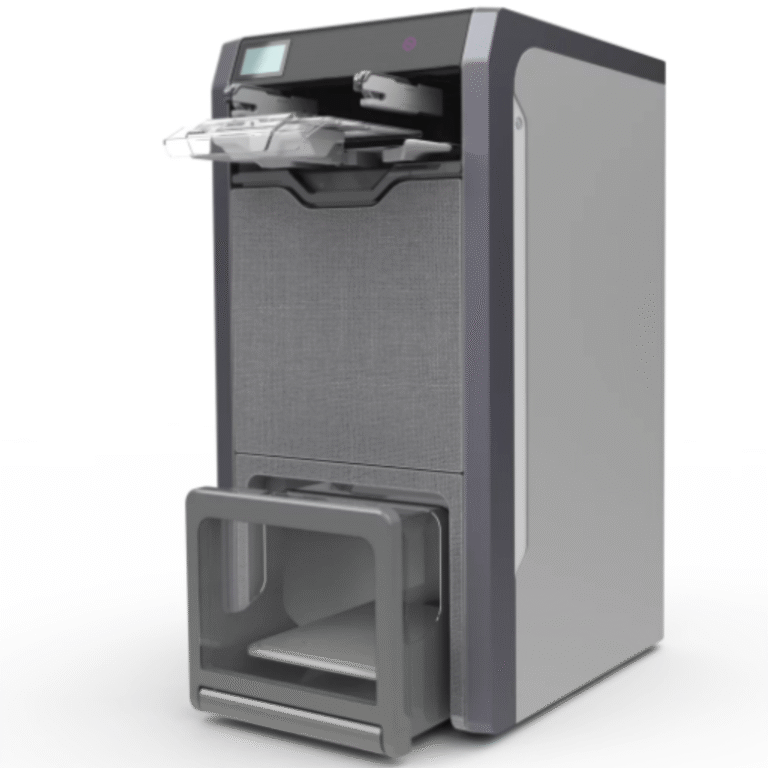
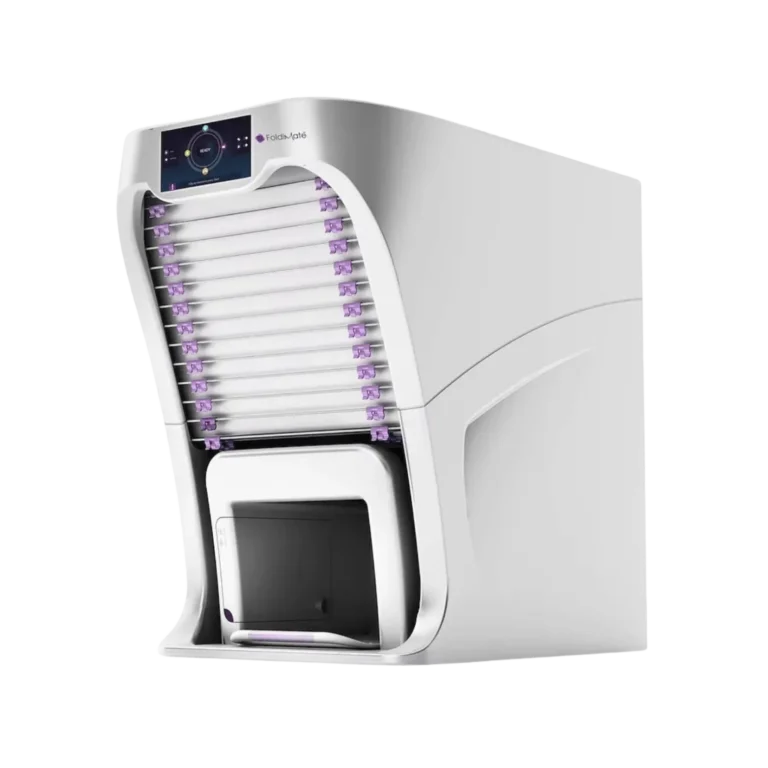
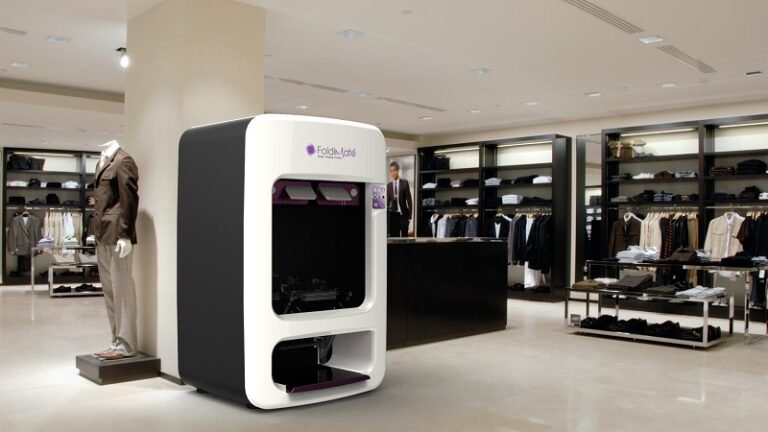
Visualizing the appliance in your home helps make decisions easier. Below are images representative of each model so you can picture size and style. When planning placement, think about proximity to your drying area, available wall or counter space, and where finished stacks will be convenient for storage. Many users place their unit near a laundry folding table, inside a utility closet with ventilation, or on a small counter next to a dryer. If you live in a small apartment, the compact FoldiMate 2025 can be tucked into a corner, while the FoldiMate Elite benefits from slightly more vertical clearance when using its steam features.
Daily use: routines, tips, and avoiding common pitfalls
In my experience advising homeowners, the single best tip is to define a short, repeatable routine around loading and unloading. For example: collect dry items into a single basket, quickly inspect for zippers, buttons or stains, and route the items that work best through the machine. Assign clear categories—shirts and tees, trousers, light sweaters—and keep a small bin for items the machine won’t handle. This approach reduces confusion and keeps the device from becoming a bottleneck. Another important habit is to run a short calibration or maintenance check weekly as recommended in the manual: clearing lint traps, refilling a steam reservoir if applicable, and wiping sensor areas prevents slowdowns and inconsistent folding over time.
Owners often ask about noise and energy usage. Modern models are designed to be relatively quiet, comparable to a dishwasher on certain cycles. If you plan to use a unit overnight or while someone is sleeping in the next room, test sound levels and consider placing it on a soft mat to dampen vibration. Regarding electricity, these devices typically draw modest power during operation—less than large kitchen appliances—so the running cost is usually small compared with the convenience gained. If you want to compare long-term value, take a week to log how many minutes per day you usually spend folding and imagine reclaiming most of that time.
Maintenance and longevity: small habits that extend usefulness
A few simple habits keep a self folding dryer running well for years. First, be mindful of what you send through it: avoid items with heavy embellishments, wet garments, or anything that could tangle. Second, perform light cleaning: remove lint from intake areas, wipe down exterior panels, and follow the manufacturer’s guidance for steam systems. For example, if you own a FoldiMate Elite, check the steam reservoir and descaling recommendations periodically. Third, store the machine in a spot where spills or pet hair are less likely to accumulate. With these precautions, you’ll avoid common repair needs and keep the folding consistent.
If repair becomes necessary, consult warranty information and authorized service channels before attempting fixes yourself. Keeping an eye on firmware updates or product bulletins is useful if your model includes connected features. For general product reliability and user stories, it helps to read owner reviews and follow community tips that sometimes reveal clever orientation tricks for tricky garments or helpful ways to bundle small items so the machine accepts them more reliably.
Where to buy and what to consider when choosing
Buying a self folding dryer requires balancing price, features and your expected usage. If you are curious but cautious, an entry model such as the FoldiMate – The authentic automatic laundry folding machine and robot at $249.99 offers a low-risk way to test the concept. If you know you’ll need a high daily throughput or want a professional finish, stepping up to FoldiMate 2025 or FoldiMate Elite makes sense. When you evaluate models, pay attention to cycle time per garment, compatibility with fabric types, steam features, physical footprint and user interface simplicity. A faster machine is only truly faster if your loading habit keeps pace—so think about ergonomics and where you will place it in your laundry workflow.
Before purchasing, look for return policies and warranty coverage. Try to buy from sources that allow a short trial period so you can confirm the machine suits your routine. If you live near a retailer with open-box displays or demos, try to see a live demo. Finally, account for accessory needs: replacement parts, recommended cleaning solutions, or pads to reduce vibration can be small additional investments that improve long-term satisfaction.
Real-life scenarios: who benefits most?
Different households will extract different value. A single professional who wears a lot of shirts may appreciate the wrinkle-reduction and quick turnaround of the FoldiMate Elite, while a family with children might value the time savings from a practical, budget-friendly unit like the authentic FoldiMate. Apartment dwellers and small households that want high performance in a small footprint often find the FoldiMate 2025 strikes the right balance. For hosts and small rental operators, the consistency of folded linens can make turnovers faster and create a neater guest impression with less manual labor.
Another scenario worth mentioning is care for aging relatives or people with limited mobility. Reducing repetitive folding motions can lessen strain and maintain independence. In shared living situations, the presence of a folding appliance can also change behavioral dynamics: instead of negotiating who folds, the device handles the chore, facilitating cooperation. If you are considering a purchase partly for these reasons, prioritize ease of use, clear instructions, and reliable customer support.
Further reading and related resources
To deepen your understanding, check product-specific pages and comparative articles that explain differences between models in everyday language. The official product pages for FoldiMate – The authentic automatic laundry folding machine and robot, FoldiMate 2025, and FoldiMate Elite are good starting points for official specs and pricing. You may also find value in related articles that discuss which machine fits different home needs: Which Foldimate Machine Fits Your Home Laundry Needs?, Is an automatic clothes folder worth it for your home?, and What is a reasonable clothes folding machine price?. For general references about fabrics and care, sites like Wikipedia can help you identify fabric types and treatment recommendations, and broader searches on Google will surface community reviews and videos from owners that highlight practical tips.
FAQ
Will a self folding dryer handle all my clothes?
Short answer: not everything. These machines excel at handling standard everyday garments—T-shirts, polos, casual shirts, light sweaters and many trousers. Items that typically cause problems include heavy bedding, very small items like socks, bulky winter coats, and garments with extensive hardware or embellishments. Silk, lace, and some delicates may also be unsuitable unless the manufacturer specifically lists them as compatible. When you first start, run a trial batch of similar items to learn which fabrics and shapes work best with your model. Over time you’ll develop a short checklist to separate items for the machine and items for hand folding or careful ironing.
How much time will I actually save?
Time savings depend on your current routine and the volume of laundry. If you typically fold 10–20 garments in a session, a folding device can reduce that task to a few minutes of active work—mostly loading and unloading—compared with 15–45 minutes of manual folding. Many owners report reclaiming several hours a week. The real-world value increases when you account for the reduced mental load and better consistency in storage, which reduces re-folding later. If you want to estimate for your household, track the minutes you currently spend folding for a week and imagine automating 60–80% of that time; that gives a realistic sense of savings.
Which model should I choose?
Choose based on the mix of garments you handle, the space you have available, and how much you want to invest in features like steam finishing. If you’re budget-conscious and curious, FoldiMate (authentic) is a sensible first choice. If speed and compactness are priorities, look at FoldiMate 2025. And if you want a professional finish and advanced wrinkle reduction, the FoldiMate Elite is the higher-tier option. For more context, review articles like Is Foldimate the Best Laundry Folding Robot for You? to compare features and real-user insights.
Are these machines energy efficient?
Generally, self folding dryers use modest electricity compared with big household appliances. They’re designed to run short cycles tailored to folding and light steaming rather than heavy drying. If you plan frequent usage, consider the trade-off between convenience and a small increase in energy consumption. For context on appliance energy use and general efficiency principles, reputable sources such as Wikipedia offer baseline comparisons. Most users find the energy cost is small relative to the value of time reclaimed and the reduced need for separate ironing or steam treatments.
Final thoughts: practical decision steps
If you’re weighing whether a self folding dryer is right for your home, approach the decision like any functional upgrade: identify the problem you want to solve, measure how much of your routine it would replace, and test the most relevant model in a low-risk way. Start by listing the garments you fold weekly and estimate the time spent. If much of that weekly time is taken by clothes that these machines handle well, you’ll likely see a meaningful benefit. Consider a trial with the entry model FoldiMate, or step up to FoldiMate 2025 or FoldiMate Elite if speed and finishing matter more. Read owner experiences and related articles such as Is the Foldimate Laundry Folding Robot Right for You? and How Can Auto Folding Clothes Machines Simplify Your Laundry? to gather practical tips and avoid common early mistakes. With a clear plan and an honest expectation of what will and won’t be automated, a self folding dryer can be a transformative addition to the home.