Blog
Is a Washing Machine That Dries and Folds Clothes Worth It?

Keeping up with laundry can feel endless: loads, drying, folding, ironing, sorting. For many households the idea of a single appliance that washes, dries and even folds clothes sounds like a dream. In this article I walk you through how these systems work in real homes, who benefits most, the trade-offs to consider, and how three accessible models from FoldiMate fit into everyday routines. I draw on practical experience, side-by-side comparisons and clear tips so you can decide whether such a machine truly makes life easier for you.
How integrated wash-dry-fold systems change routine
When people describe a washing machine that dries and folds clothes, they usually imagine one continuous flow: the machine washes, then dries, and finally folds or irons garments with minimal human effort. That vision translates into measurable lifestyle changes. Instead of planning an hour for folding at the end of the day, you reclaim that time for family, cooking, or a quick walk. For busy parents, professionals working long hours, or small households that dislike ironing, the convenience is immediate. But convenience varies by model: some machines focus on folding speed and compactness, others emphasize professional-level smoothing with steam. To evaluate value, think about how much time you spend on laundry tasks each week and whether you’d trade initial cost and maintenance for that reclaimed time.
Beyond time savings, automated folding brings consistency. Piles that once sat unfolded and wrinkled are returned to closets in a neat, stackable form, which reduces re-wearing and improves garment lifespan. That consistent result matters for those who like a tidy home without daily micromanagement. On the other hand, if your laundry routine includes delicate items, mixed fabric loads, or garments that require special folding techniques, you’ll want to understand each machine’s fabric compatibility and limits before committing.
What these machines actually do: washing, drying and folding explained
There are two main approaches in the market: full laundry units that combine washing and drying in one cabinet, and dedicated folding/ironing robots that handle garments after drying. A fully integrated washer-dryer-fold model automates the full cycle, which can be ideal for apartments or small homes where space and convenience are priorities. Folding robots, conversely, are designed to take already-washed, dried garments and fold or gently steam them into finished stacks. Both approaches aim to remove the final friction point of laundry, but they require slightly different workflows and maintenance habits.
In practice, a common household setup is a conventional washer-dryer for cleaning and drying, paired with an automatic folder for finishing. That pairing keeps appliance replacement simple while still delivering a dramatic reduction in hands-on work. Modern folding machines, like the ones discussed below, can handle shirts, pants, T-shirts and more, and many offer steam smoothing to reduce wrinkles. To see which approach fits you, weigh the footprint of the machine, cycle times, capacity per load, and how much human sorting you’re willing to keep doing.
Meet the options: FoldiMate machines that fold and smooth garments
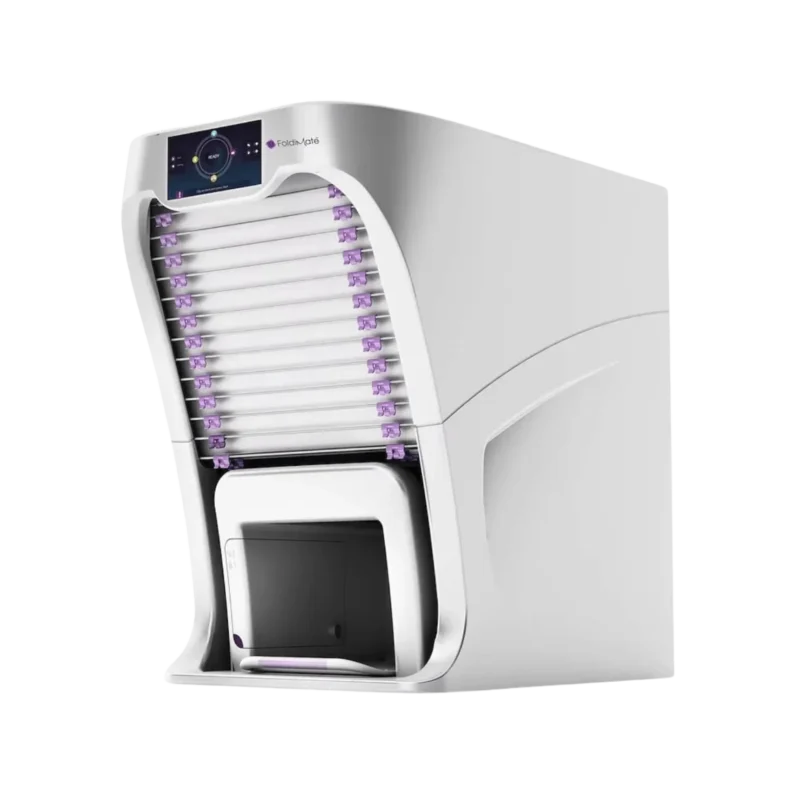
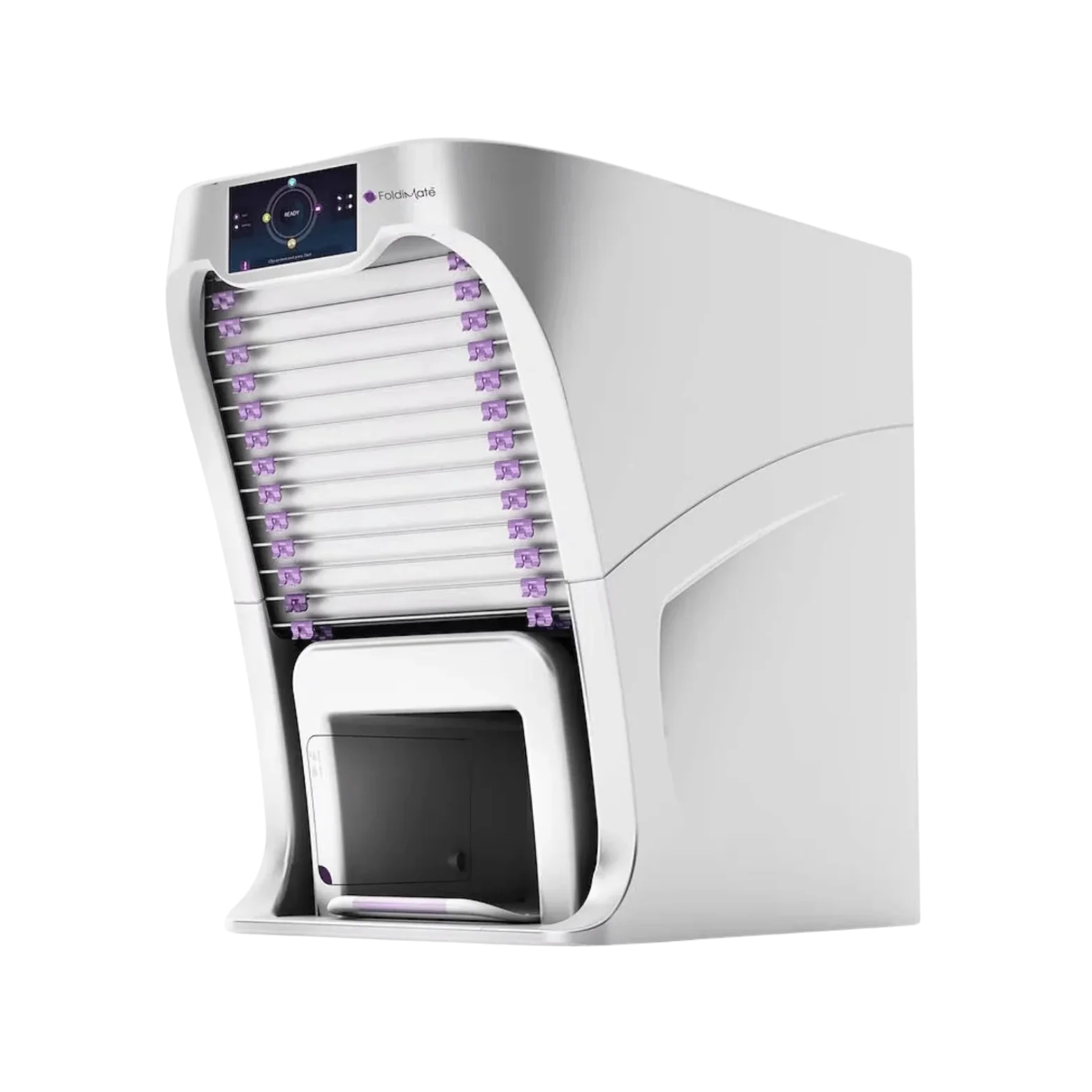
If you’re exploring solutions, FoldiMate offers a compact set of choices aimed at households that want fast, neat results without a commercial price tag. The FoldiMate 2025 is positioned as the new-generation model, built for speed and compactness. It claims fast folding, high wrinkle removal through steam and an overall design that fits modern homes. You can view the product image here: 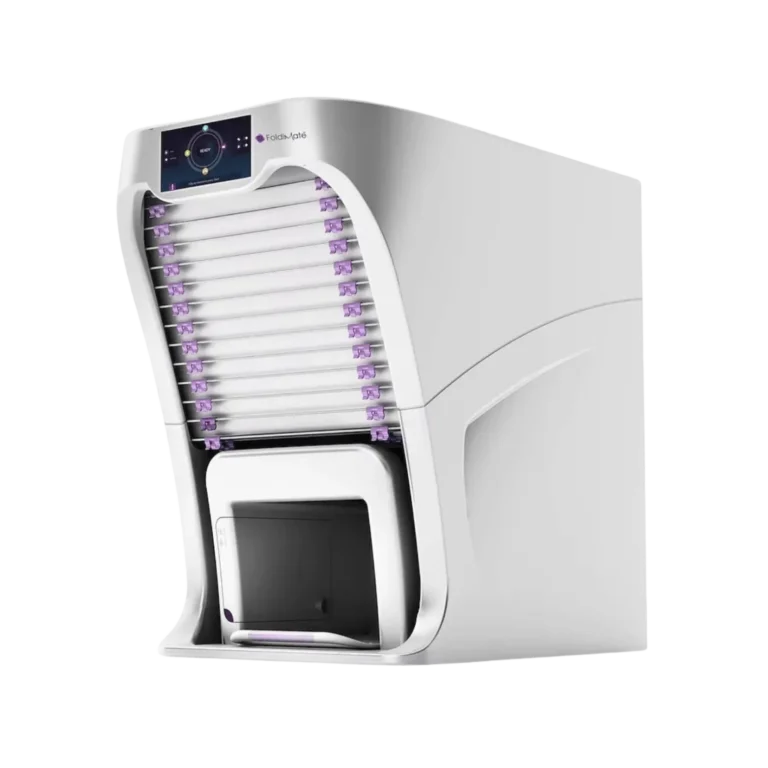
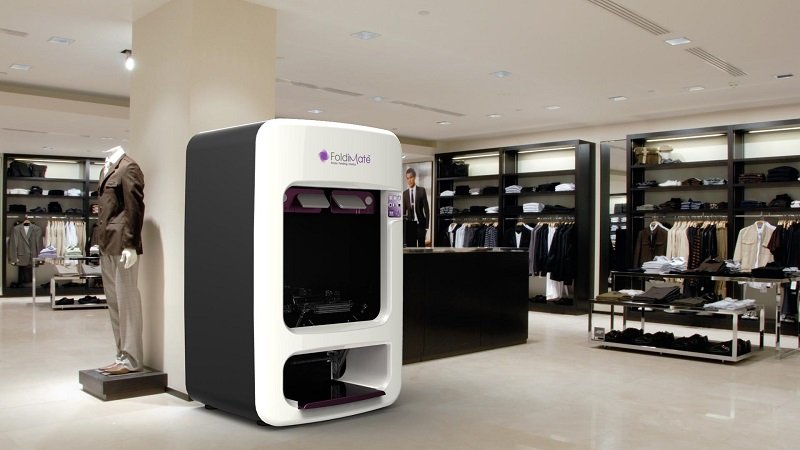
The FoldiMate Elite targets users who want professional-level finishing. It emphasizes ultra-fast throughput—up to 25 garments in a few minutes—and gentle steam technology for different fabrics. The Elite is for those who frequently need crisp results and have a larger volume of garments to finish. See the Elite image here: 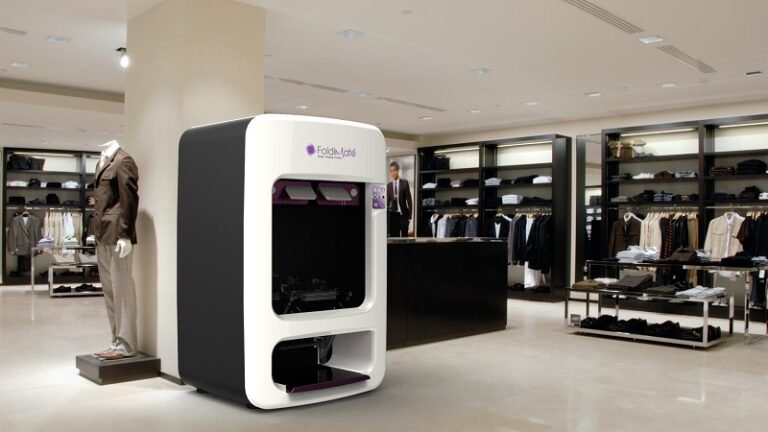
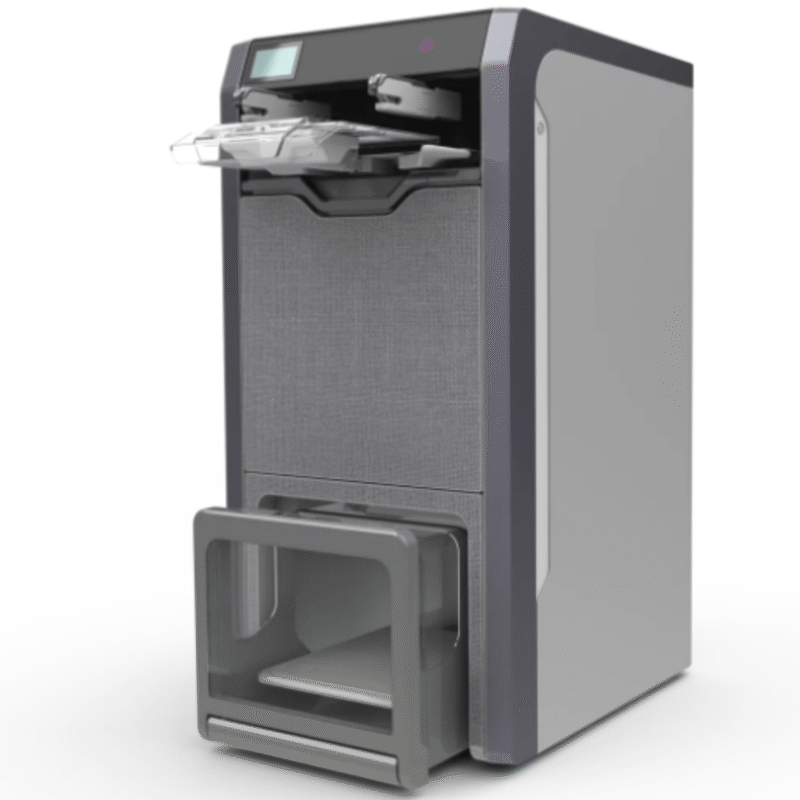
Finally, the classic FoldiMate original offers a balance of price and performance for everyday use, handling common garment types while being approachable for first-time buyers. The original model is compact and suitable for smaller homes or those testing the idea of automated folding. Include product imagery for reference: 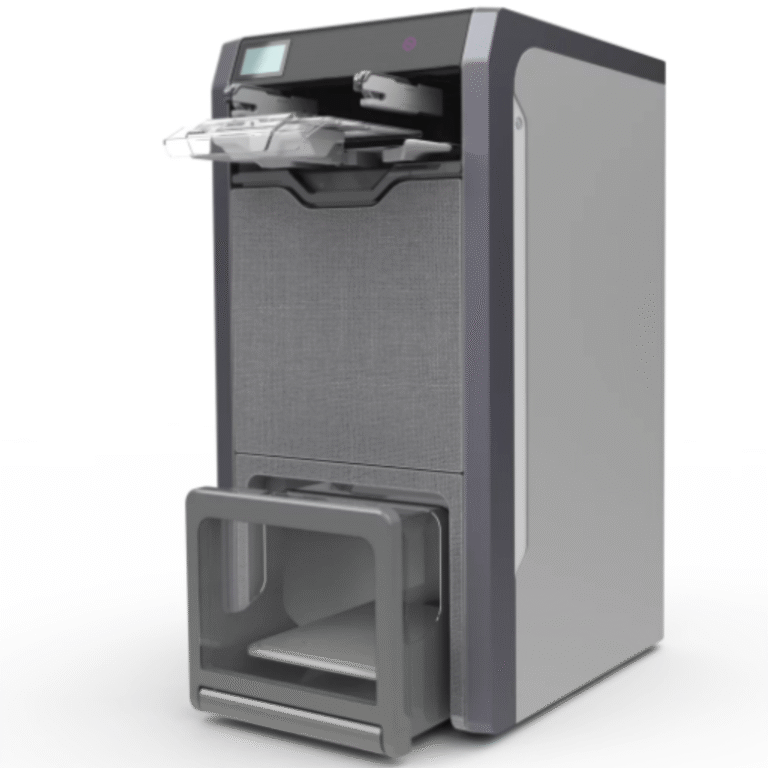
Comparing the FoldiMate lineup: speed, finish and cost
Choosing between these models comes down to three practical questions: how fast do you need folding done, how wrinkle-free do you want garments, and what budget are you comfortable with? The FoldiMate 2025 focuses on compact design and fast per-garment fold times, making it appealing for smaller apartments or couples. The FoldiMate Elite suits households that often handle dress shirts and want a near-professional finish, while the original FoldiMate is a strong entry choice for families who want automation without breaking the bank. Pricing and promotions change, but current listed prices highlight clear tiers: the FoldiMate 2025, the Elite, and the original each occupy distinct value positions. You can explore model details and current offers on the product pages for the 2025, the Elite and the original.
Below is a simple comparative table to help visualize differences in daily use. It lists approximate strengths and typical users for each model.
| Model | Best for | Speed | Finish | Typical user |
|---|---|---|---|---|
| FoldiMate 2025 | Compact homes, everyday clothing | ~3 sec per fold | Good, with steam smoothing | Couples, small families |
| FoldiMate Elite | High-volume, crisp finishing | Very fast, dozens in minutes | Very high, professional steam | Professionals, large families |
| FoldiMate original | Entry-level, balanced use | Fast enough for daily needs | Good for common fabrics | Budget-conscious households |
Real-life scenarios: who benefits most
Families with active schedules often gain the most immediate benefit. Imagine a household of four where two adults work and two kids have sports: laundry cycles pile up and folding becomes a weekend chore that interferes with family time. Introducing an automated folder like the FoldiMate original or FoldiMate 2025 can convert a weekend chore into a short daily or alternate-day task, so clothes stay rotated and ready. For professionals who need crisp shirts, the FoldiMate Elite reduces morning prep time and ensures consistently neat results for business wear. Seniors or people with limited mobility also benefit: less bending, less handling of heavy baskets, and predictable stacks make daily life smoother and safer.
Another key scenario is small apartments where space and time are at a premium. A compact machine that folds and smooths can be tucked into a closet or utility corner and remove the need for additional storage of ironing boards or large folding surfaces. If you frequently launder single items—think T-shirts and jeans rather than large bedding—these machines repay their cost quickly in saved time and effort. For anyone considering a purchase, try to map your weekly laundry volume, how often you iron, and whether you prefer quick, tidy stacks over manual folding.
Practical considerations before buying
There are important practical points to check before choosing any machine. First, footprint and placement: measure the intended location and verify the appliance dimensions. FoldiMate designs are relatively compact, but placement near a power outlet and a clear area for collected stacks is essential. Second, fabric compatibility: most automatic folders handle shirts, pants, T-shirts and light sweaters well, but delicate fabrics, heavy coats, or items with many buttons may require special attention. Third, cycle times and throughput: if you plan to process large batches, check how many garments per hour the model handles and whether you’re comfortable loading/unloading frequently.
Maintenance is another key factor. Steam systems require refilling and occasional descaling; sensors and belts may need cleaning if lint accumulates. Service availability and warranty length matter: look at retailer policies and manufacturer support. If you want to compare support and fit for your needs, read related posts like Is the Foldimate laundry folding robot right for you? and Which Foldimate Machine Fits Your Home Laundry Needs? for experiences and setup tips.
Costs, savings and environmental impact
Upfront cost is a barrier for many buyers. Machines like the FoldiMate 2025 and FoldiMate Elite come at higher price points than a basic iron, but their value is measured over time through hours saved and improved garment care. Consider how much your time is worth: if you spend multiple hours weekly folding and ironing, a machine can quickly justify itself. Additionally, efficient steam smoothing can reduce the need for re-washing or repeated ironing, which may save water and energy long-term. However, there are energy costs for running the folding robot and steam components, so review energy consumption details and compare them with your current routine.
Some buyers also think about environmental trade-offs. Automated folding can extend garment life by reducing over-handling and unnecessary washes, but manufacturing and disposal of electronic appliances have environmental footprints. If sustainability is important, look for models with long warranties, modular parts for repair, and clear recycling options. For further reading on choices and where to buy, see Where to Buy FoldiMate and Where to buy FoldiMate in 2026?.
Setup tips and daily workflow
To get the best results from a washing machine that dries and folds clothes, adopt a few simple habits. Sort garments into compatible groups by fabric weight and type before processing. Remove items with bulky hardware or large pockets that can interfere with the folding mechanism. Maintain a small staging area near the machine for quick loading and unloaded stacks. With steam-enabled models, keep a distilled water supply nearby to maintain steam quality and reduce mineral buildup. Regularly empty lint traps and follow the manufacturer’s cleaning steps to avoid service interruptions.
For households combining a traditional washer-dryer with a folding robot, aim to transfer slightly damp garments to the folder for best smoothing results: a slightly moist fabric responds better to steam than a bone-dry one. If you’re using a fully integrated unit that performs all three steps, follow any sorting and placement recommendations to avoid fabric damage. For more on how automated folding integrates into daily life, read How Can a Laundry Folding Machine Simplify Your Home Routine? and Can an automatic clothes folding machine save you time?.
Common concerns and how to address them
Buyers often ask about reliability, garment damage, and hidden costs. Reliability depends on regular maintenance and sensible usage—treat the machine like any household appliance with occasional cleaning, filter checks and software updates if applicable. Regarding garment damage, most modern folders are gentle: they are designed to handle everyday fabrics and will flag or refuse items outside their safe list. Keep delicate or embellished pieces out of automated cycles and fold those by hand. Hidden costs include replacement parts, water for steam systems, and possible repairs; check warranty terms and available service plans.
Another frequent question is about the learning curve. Expect a short adjustment period: you’ll refine sorting habits and figure out the best load sizes for your home. Manufacturers often provide quick-start guides and customer support resources. If you want user experiences and deeper guidance, the article Is a Fold and Iron Machine Worth Adding to Your Home? offers perspectives from homeowners who adopted automated folding and ironing.
Accessories and complementary products
To maximize value, consider a few accessories: a compact ironing board for occasional touch-ups, mesh laundry bags for delicate cycles, and a small utility cart for moving folded stacks to closets. You can find compatible household items on mainstream retailers like Amazon if you need quick delivery. If steam maintenance is a concern, keep distilled water on hand and a descaling kit nearby. Planning storage for folded stacks—shelves or shallow drawers—helps the results look intentional and saves you from re-folding.
FAQ
Will these machines ruin delicate fabrics?
Most folding machines and steam finishers are optimized for common fabrics: cotton, polyester blends, light knits and dress shirts. Delicate fabrics with sequins, heavy embroidery or very loose knits are better handled by hand. Always consult the model’s fabric compatibility list and test a low-stakes item first.
How much space do I need?
Footprints vary. FoldiMate units are designed to be compact but expect to reserve a small floor area and some clearance for loading and stack removal. Measure before buying and consider placement near a closet or staging area to streamline the flow. See product dimensions on the official product pages for exact figures.
Do these machines save money over time?
Monetary savings depend on how you value time and how often you iron or re-wash items. If a machine reduces weekly ironing and prevents repeated washing of wrinkled clothes, you may see savings on detergent and utility bills over time. For many buyers the primary return is time and convenience rather than direct financial savings.
Where can I read more user experiences?
There are focused articles and reviews that explore user setups and long-term reliability. Useful internal resources include Is a shirt folding machine right for your busy home?, How can a clothing folding machine simplify your laundry routine?, and the post on choosing the right FoldiMate model listed earlier.
Final decision checklist
Before you decide, walk through a quick checklist: measure placement area, estimate weekly laundry volume, list frequent garment types (dress shirts, T-shirts, delicates), check budget and warranty options, and assess whether steam finishing or compact speed is most valuable. If ease and consistent folding matter most, start with the balanced original FoldiMate. If you need top-tier finish and speed for business clothing, consider the FoldiMate Elite. If compact size and modern features are your priority, the FoldiMate 2025 is worth exploring. For direct product details and current pricing, visit the FoldiMate 2025, FoldiMate Elite and FoldiMate original pages.
Useful links and resources
For broader context about laundry practices and appliance choices, reputable sources like Wikipedia offer background on textile care, while general shopping platforms like Google and Amazon can help you compare accessories and user reviews. For hands-on comparisons and buying locations specific to these products, check internal guides such as Where to Buy FoldiMate, Which Foldimate Machine Fits Your Home Laundry Needs?, and Is an automated clothes folder right for your home?.
Wrapping up
Automatic folding and finishing appliances are no longer science fiction. They provide meaningful time savings and consistent results for many households, especially those juggling busy schedules or seeking a neater wardrobe with less effort. The right choice depends on your volume, garment types and budget. The FoldiMate family—from the original to the 2025 and Elite models—covers a range of needs: entry-level convenience, compact modern design, and professional finishes. If you value reclaimed time, consistent results, and less ironing, a washing machine that dries and folds clothes can be worth the investment. To explore further, review the model pages for the FoldiMate original, the FoldiMate 2025, and the FoldiMate Elite to match features to your routine.