Blog
Is an automated clothes folder right for your home?

Laundry is one of those household tasks that rarely feels finished: you wash, dry, then face the folding mountain. If you’re reading this, you’re likely wondering whether an automated clothes folder can genuinely change that routine. In this article I’ll share clear, practical advice based on hands-on use cases, product details, and the realities of fitting a folding machine into everyday life. I’ll introduce three models you can consider, explain who benefits most, and offer step-by-step tips for integrating one of these machines into your space. If you want to skip ahead to compare which model suits busy households, the comparison of Fold Mate models is a helpful reference.
What an automated clothes folder does — and what it doesn’t
At first glance, an automated clothes folder looks like a compact appliance that takes shirts, T-shirts, or pants and returns them neatly folded. Practically, these machines reduce the repetitive motion and time you spend on folding while producing consistent results. Important to understand: they are not a full replacement for careful ironing when garments need crisp creases for formal wear, and they don’t always handle every fabric or small item perfectly. For example, delicate lingerie or very thick winter coats usually need alternate care. That said, modern machines such as the FoldiMate 2025 and FoldiMate elite add steam and smoothing features that bridge the gap between folding and light ironing, which is a real convenience for everyday shirts and thin trousers.
Who benefits most from an automated clothes folder?
Think of three common household profiles: the busy family, the remote worker who needs presentable shirts daily, and the small rental or Airbnb operator who turns over linens regularly. A busy family with school uniforms, sports kits, and constant cycles of load after load will appreciate the time savings and uniform stacks. Remote workers who prefer a tidy dresser without dedicating time to folding will value consistent, wrinkle-free shirts. Hospitality hosts can standardize linen presentation. Each profile has different priorities: families often want speed and durability, professionals want good smoothing and gentle handling, hosts want capacity and reliability.
If you are curious about precise model fits, reading the guide on which Fold Mate model best matches your routine can clarify choices between budget, speed, and ironing capability. For availability and buying options, see the practical advice in where to buy FoldiMate.
Quick product introductions with visuals
Below are the three machines I’ll reference throughout this article. Each one fits a slightly different need and budget.
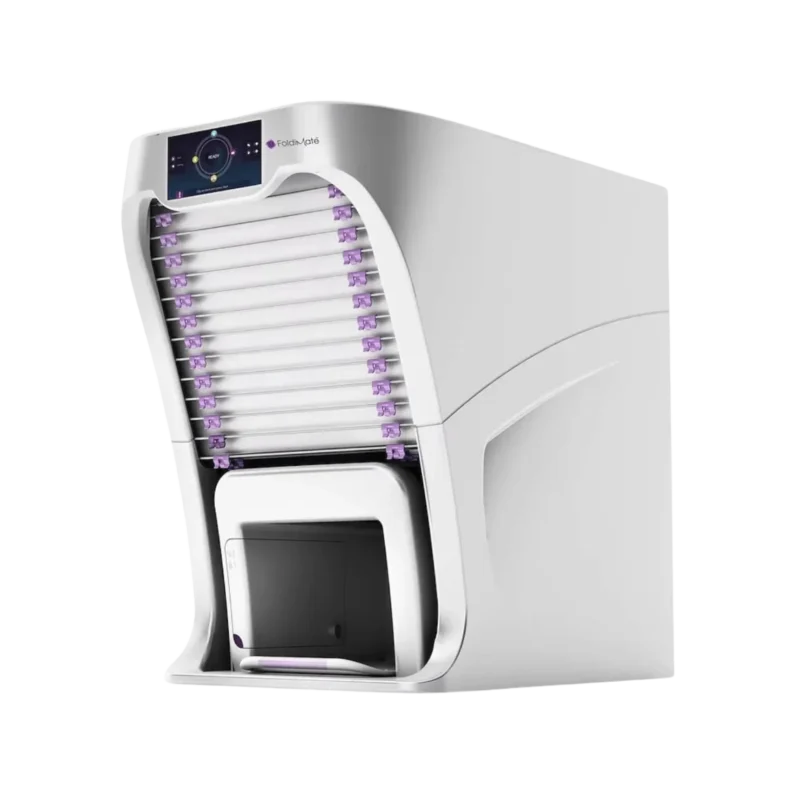
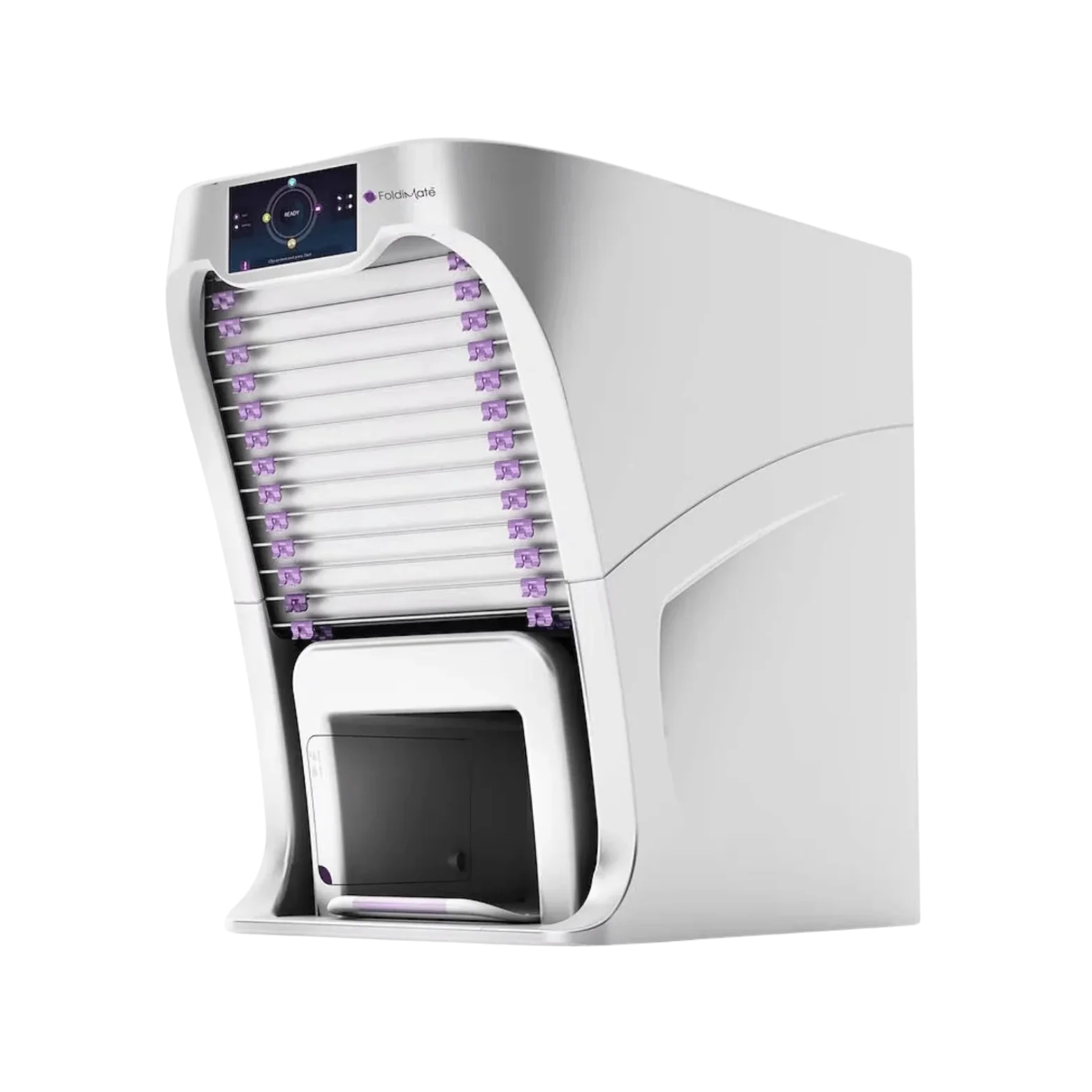
FoldiMate 2025 — The new generation automatic laundry folding and ironing machine. Faster, smarter, and compact. It promises around 3 seconds per fold and high wrinkle reduction thanks to steam-assisted smoothing. Current price is shown on the product page and the unit is designed for regular home use. 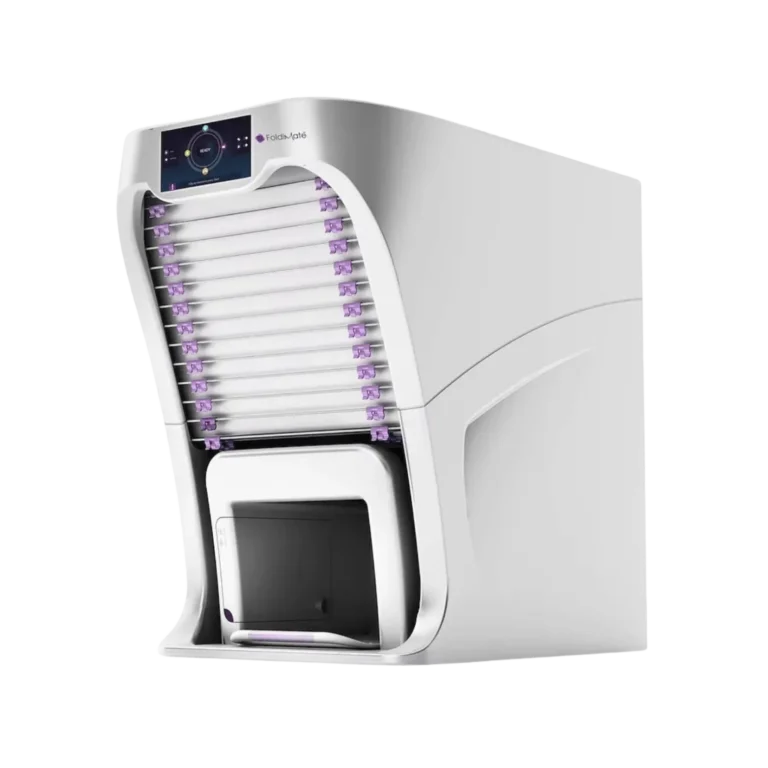
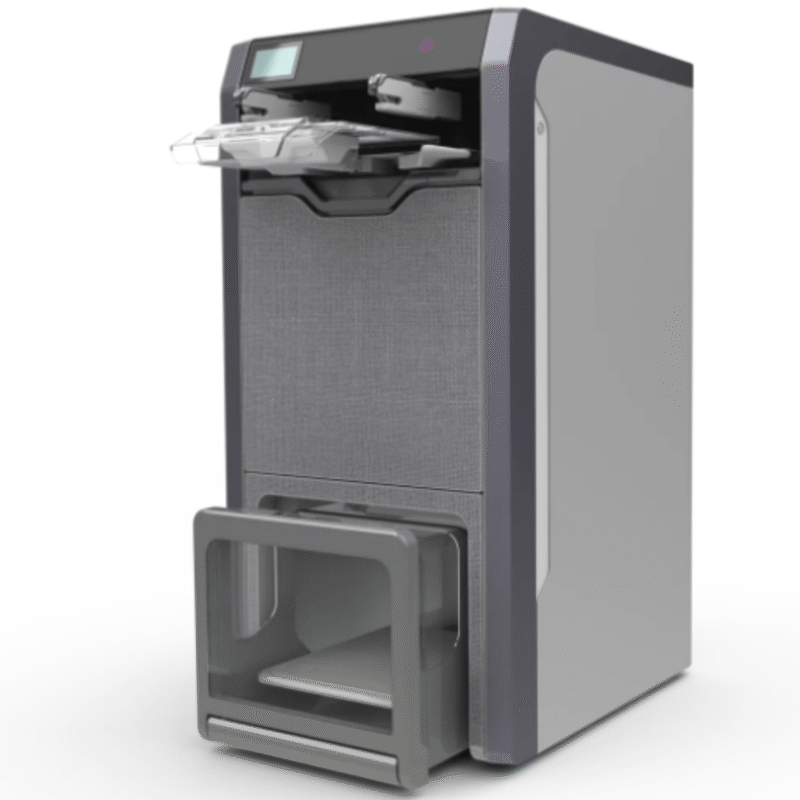
FoldiMate — The authentic automatic laundry folding and robot. A reliable option for straightforward folding routines, it brings consistent results at a budget-friendly price and is ideal if you want core folding features without advanced ironing. 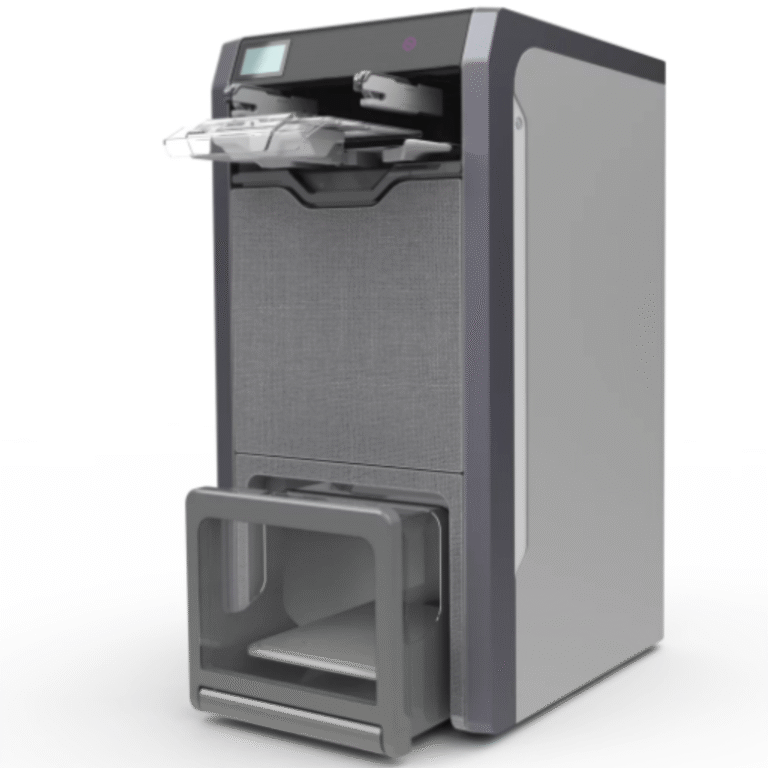
FoldiMate elite — The premium folding and professional ironing robot. Built for speed and multi-fabric compatibility, it can fold and smooth many garments quickly and is aimed at households who want the best finish and highest throughput. 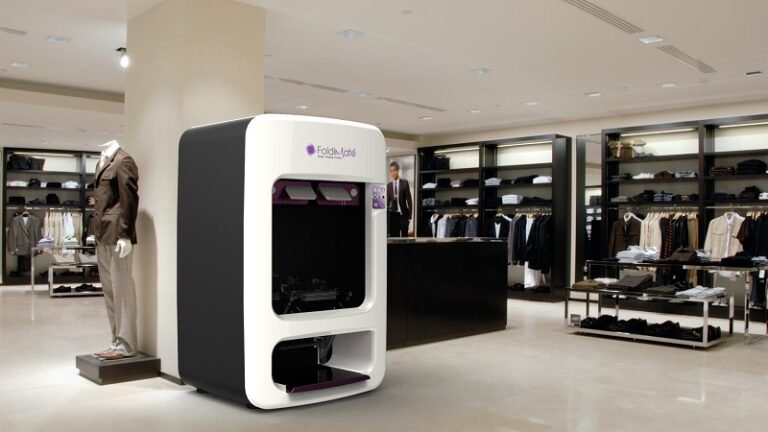
Real-world time savings: a breakdown
Time savings depend on how often you fold laundry and how many items you do in a sitting. If folding a full load by hand takes 20–40 minutes depending on the family size, an automated folder can reduce that significantly. Machines like the FoldiMate 2025 advertise around 3 seconds per fold; in practice, throughput depends on loading time, garment types, and batch size. For a mixed household load of shirts, T-shirts and pants, you can often halve the active folding time: instead of standing and folding for half an hour, the machine handles repetitive work while you do another task. This is not just convenience — it frees up predictable pockets of time every week, which cumulatively translate into hours saved monthly.
When considering time savings, factor in setup and maintenance. Unclipping, aligning garments, and occasional descaling or lint clearing add small overhead. Over weeks, most owners report the convenience outweighs these minor chores. Read real-life setup tips and expectations in the article Is an ironing and folding machine right for your home? for deeper context.
Space, placement, and installation considerations
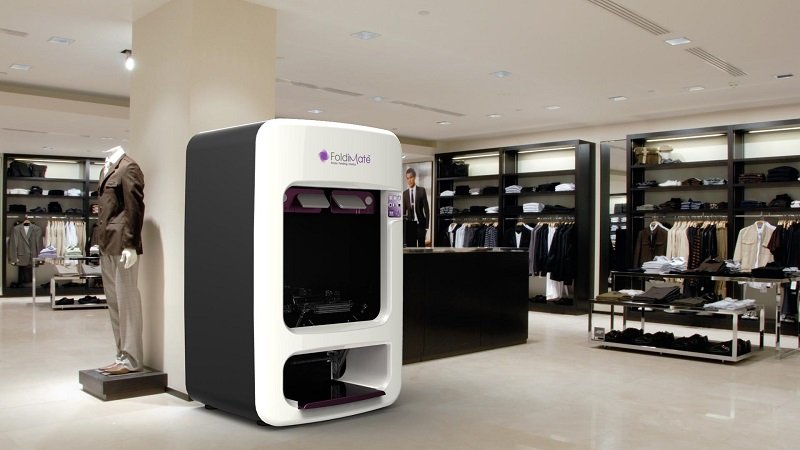
Before buying, measure the intended space. Many folding machines are compact, but you’ll want clearance in front for loading and unloading, and space for vents or steam exhaust if the model uses steam. The FoldiMate 2025 is designed to be more compact than earlier units, making it easier to place in a laundry closet or utility room. Think about noise: some units are whisper-quiet while others have a motor hum during cycles. If your laundry area is adjacent to living spaces, test noise levels or read owners’ comments on the product page to get a sense of real-world sound.
Also consider mobility and weight: if you plan to move the machine between storage and use, a lighter unit or one with casters will be preferable. For a permanently installed setup, plan for a dedicated outlet and consider proximity to a water source if the unit has an integrated steam function. For a quick primer on whether a particular model fits your routine, the page titled Which clothes folder machine fits your laundry routine? provides checkpoints and questions to answer before purchase.
Cost, value and return on investment
Price is an obvious decision factor. The three models discussed here span a range of budgets. The original FoldiMate offers a strong value point for buyers prioritizing cost-effectiveness, while the FoldiMate elite sits at the premium end for those who want the fastest cycles and best smoothing performance. The FoldiMate 2025 is positioned between these two with modern refinements like faster cycles and compact design.
To evaluate return on investment, estimate hours you’ll save per week and assign a notional value to that time. If a machine cuts 3–5 hours per month of active folding, many households find payback in lifestyle value rather than strict monetary savings. Also consider replacement and maintenance costs; extended warranties or service plans can change the total cost of ownership. For more on pricing and what a reasonable folding machine price looks like, read What is a reasonable clothes folding machine price?.
Fabric compatibility, care tips and realistic expectations
Not all fabrics behave the same in a folding machine. Lightweight cotton T-shirts fold easily; heavier knits or garments with unusual shapes can be awkward. Steam-equipped machines do a much better job reducing wrinkles on shirts and thin trousers, but if you have silk, heavily embellished garments, or very bulky outerwear, you’ll still want to hand-care or professional clean those items. Consider separating loads: keep delicate items out, and run a mixed load of everyday shirts and pants through the machine. The process becomes a simple sorting habit—the machine handles the bulk, you handle the exceptions.
Routine maintenance is straightforward. Empty lint traps, wipe surfaces, and follow the manufacturer’s instructions for descaling or filter changes if your model uses water for steam. For more detailed maintenance guidance and user experiences, the article Is a Foldimate clothes folding machine right for you? discusses care routines and long-term maintenance tips from owners.
Comparing the three models at a glance
| Model | Primary benefit | Approx. best use | Price indicator |
|---|---|---|---|
| FoldiMate 2025 | Fast, compact, steaming for wrinkle reduction | Home users wanting speed and occasional ironing | Mid-range (special price available) |
| FoldiMate | Reliable folding at an accessible price | Cost-conscious households and small homes | Entry-level |
| FoldiMate elite | Highest throughput and professional smoothing | Frequent users, multi-person households, hosts | Premium |
This table is a simple snapshot. For a deeper model-by-model checklist—covering fabric handling, cycle speeds, maintenance intervals, and noise levels—see Which Fold Mate Model Best Fits Your Laundry Needs? and the product pages themselves. Each product page includes up-to-date pricing and shipping notes so you know current offers and stock.
Placement in a daily routine: scenarios and examples
Scenario 1: The morning prep. You’re getting ready for work and need a crisp shirt quickly. With a machine like the FoldiMate elite, you can run a short smoothing cycle on a shirt that came out of the dryer a bit wrinkled and have it ready with minimal ironing. Scenario 2: Weekend family laundry. After the weekend wash, rather than everyone pitching in for folding, you place T-shirts and pants into a unit like the FoldiMate and focus on folding delicate items by hand. Scenario 3: Host turnover. For someone managing short-term rentals, consistent linen presentation matters. A machine that handles sheets and pillowcases efficiently improves guest impressions and reduces labor time.
These scenarios show that the machine doesn’t replace judgment; it augments routine. Keep a short action list near your laundry area to remind everyone which items go in the machine and which need special care. For advice on fitting a folder into your specific routine, the article Is a Foldimate Laundry Machine Right for Your Home? shares practical user stories and considerations that might mirror your situation.
Energy use, noise and sustainability considerations
Energy consumption varies by model and cycle length. Steam-assisted machines use additional power for the steam generation step, but that incremental energy is often small compared to a washer or dryer cycle. If energy use is a primary concern, choose a machine with efficient standby modes and short cycle times. Noise is another practical concern; look for decibel specifications if you’ll be using the machine while working from home or early in the morning. Finally, think about sustainability: reducing the need for frequent hot ironing may extend the life of fabrics and consume less energy than repeated pressing. For data on fabric care and lifecycle considerations, it can be helpful to consult neutral resources such as Wikipedia for fabric care basics and broader textile guidance.
If you plan to buy from an online marketplace, check user reviews and seller terms — for instance, some European buyers compare local availability on platforms like Amazon and local retailers for shipping and returns. For availability checks or quick price lookups, searching product names on Google can surface up-to-date listings and user feedback.
Purchase checklist: questions to ask before you buy
- What fabric types will you fold most often? (T-shirts, shirts, pants, linens)
- How much usable space do you have for the device and for working around it?
- What is your ideal balance of speed versus finish quality?
- How often are you willing to perform simple maintenance like lint removal?
- Does the seller offer a return policy or warranty that matches your comfort level?
Answering these questions will make your choice easier. If you want a mid-range solution that balances speed and smoothing, take a closer look at the FoldiMate 2025. If cost is the main constraint, the original FoldiMate remains a solid option. For the highest finish and fastest cycles, the FoldiMate elite is aimed at heavy users and hosts.
Maintenance, troubleshooting and longevity
Routine care keeps these machines running well for years. Expect to clean lint traps, wipe surfaces, and occasionally run a descaling cycle if the unit uses water for steam. If a jam occurs, most models offer a straightforward way to pause, open, and remove the stuck garment. Keep a small tool kit nearby for simple fixes and follow the manufacturer’s guides on replacement parts. For real-life troubleshooting stories and tips from other owners, the article Is Foldi Mate the Right Laundry Helper for Your Home? collects practical advice from early adopters.
Length of ownership often depends on how intensively you use the machine. Light to moderate household use tends to keep units running well for many years, while commercial or near-commercial use (heavy Airbnb turnover, small guesthouse) may shorten intervals between part replacements. Consider extended warranty options if you plan very frequent use.
FAQ
Will an automated clothes folder ruin delicate items?
Not if you follow basic sorting rules. Delicate fabrics like silk, lace, or heavily embellished garments should be handled separately. Most owners create a simple rule: anything labeled “hand wash” or with delicate trims gets folded by hand. Machines are best for everyday cottons, blends, and many synthetics.
Can these machines replace ironing?
They can replace light ironing for many everyday garments thanks to steam smoothing in some models, particularly the FoldiMate elite and the FoldiMate 2025. For formal shirts needing crisp creases, you may still prefer a traditional iron or professional pressing. Think of the machine as reducing the need for frequent pressing rather than eliminating it entirely.
How noisy are these units?
Noise levels vary. Modern units are designed to be quiet enough for normal household use, but if your laundry area is close to a bedroom or workspace, check decibel ratings or user reviews. Some users place the device in a utility closet with the door ajar to dampen sound while preserving ventilation.
Where can I find more model comparisons and reviews?
Start with the internal model comparison at Which Fold Mate Model Best Fits Your Laundry Needs? and check product pages for detailed specs and current pricing. For buying options and stock checks, the guide Where to buy FoldiMate in 2026? lists retailers and shipping notes.
Final thoughts: when an automated clothes folder makes sense
If you value consistent presentation, want to reclaim time spent on a repetitive chore, and regularly handle everyday garments that benefit from smoothing, an automated clothes folder can be a transformative addition. Choose a model that fits your household’s fabric mix, space and budget. The original FoldiMate is a solid, budget-minded choice; the FoldiMate 2025 balances speed and compact design with smoothing, and the FoldiMate elite suits the heaviest users and hosts who want the highest finish. Wherever you land, plan a short trial period, read the product pages for current offers and service options, and set simple sorting rules so the machine does the heavy lifting while you enjoy neater closets and more free time.
For step-by-step buying help, model matching, or availability questions, consult these resources: model guide, buying options, and the product pages for FoldiMate 2025, FoldiMate, and FoldiMate elite. If you want personal advice on fitting one into your daily routine, leave a note on the product pages or read through owner reviews to learn from others’ experiences.