Blog
Which automatic ironing and folding machine fits your needs?

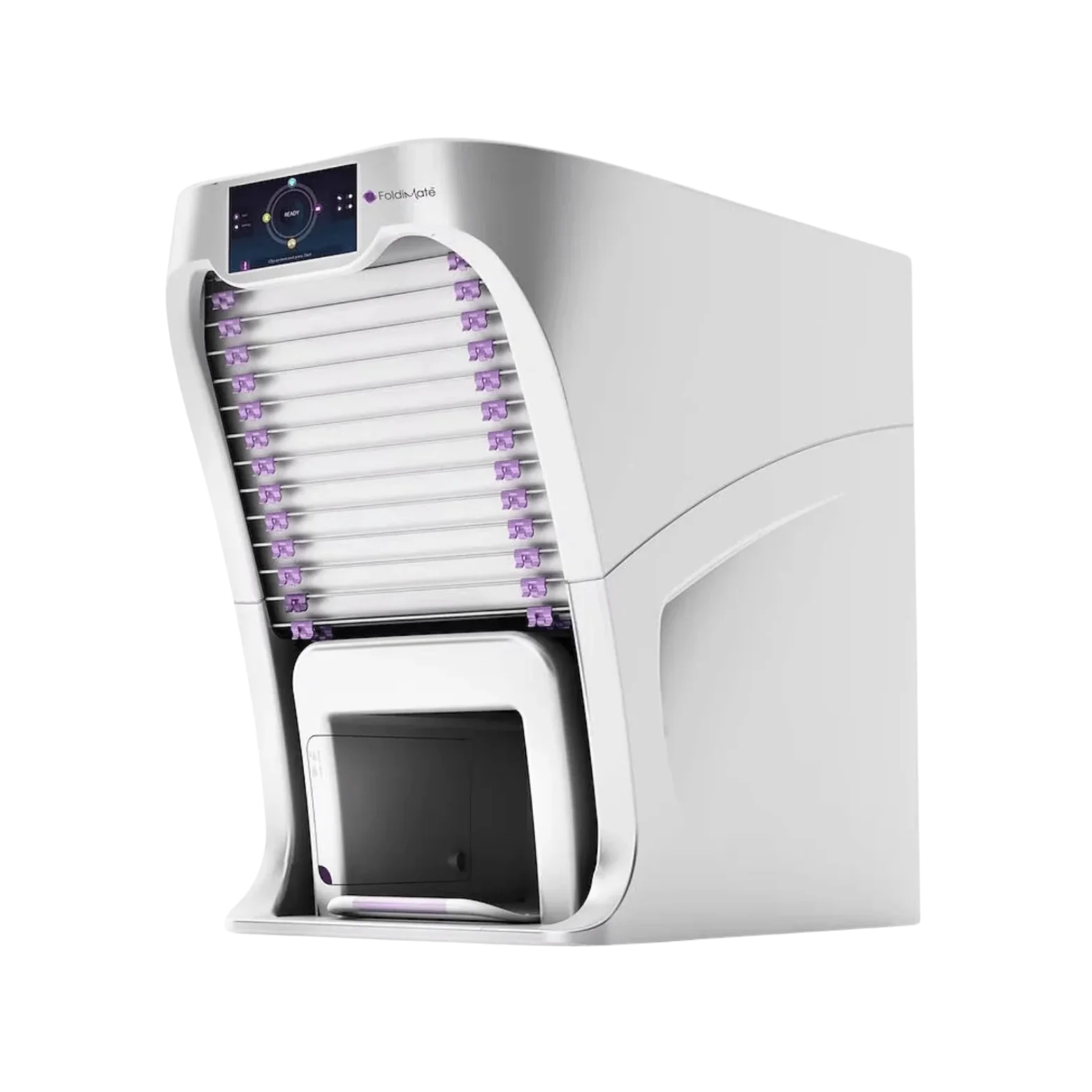
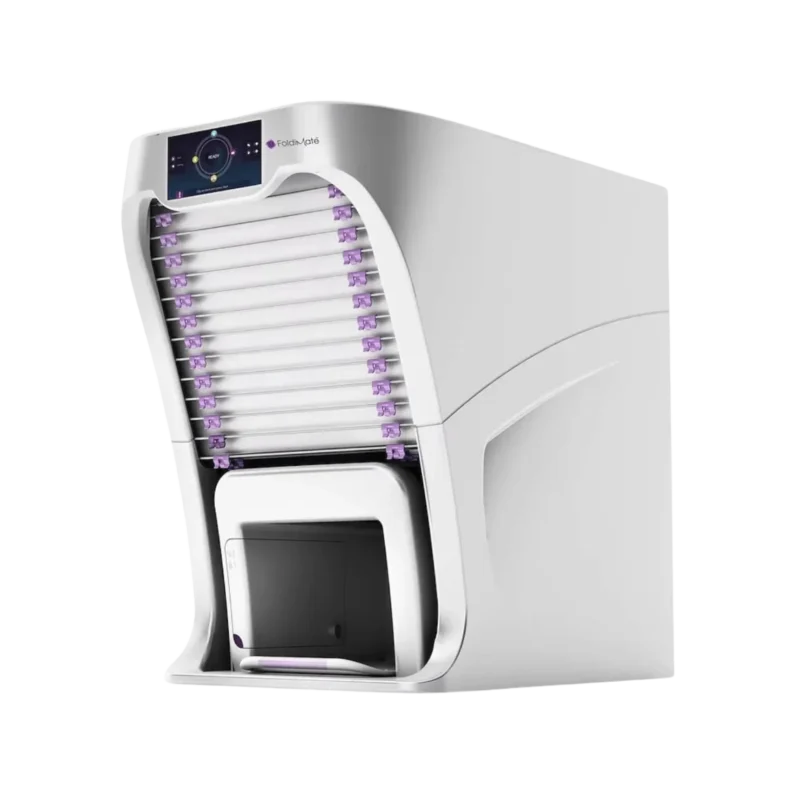
Deciding to bring an automatic ironing and folding machine into your home often starts with a simple wish: more time and less stress. If you are tired of a mountain of shirts waiting on a chair or a laundry basket that never seems to shrink, these machines promise to transform a repetitive chore into a brief, managed step in your weekly routine. In this article I walk you through how these devices work, who benefits most, and how to pick the right model for your household. I’ll share hands-on advice, realistic expectations, and useful comparisons between available models so you can picture how one of these units could actually fit into your daily life. Along the way I’ll refer to real product options such as the FoldiMate 2025, the FoldiMate Elite, and the classic FoldiMate authentic model, and I’ll explain which one suits different lifestyles.
Before you imagine a robot instantly handling everything, it helps to understand both the capabilities and the limits of current machines. They are excellent at reducing repetitive motion, cutting folding time, and improving consistency, but they also require a small learning curve, a little space, and different handling for delicate fabrics. I’ll describe practical steps to integrate a machine into the laundry flow—from sorting and pre-treating to the final hang or drawer placement. For context and background, I sometimes reference general resources such as wikipedia about textiles and care labels, and common shopping options like Amazon when discussing accessories and detergents. By the end you’ll know which automatic ironing and folding machine could save you time and which trade-offs to expect.
How automatic ironing and folding machines work
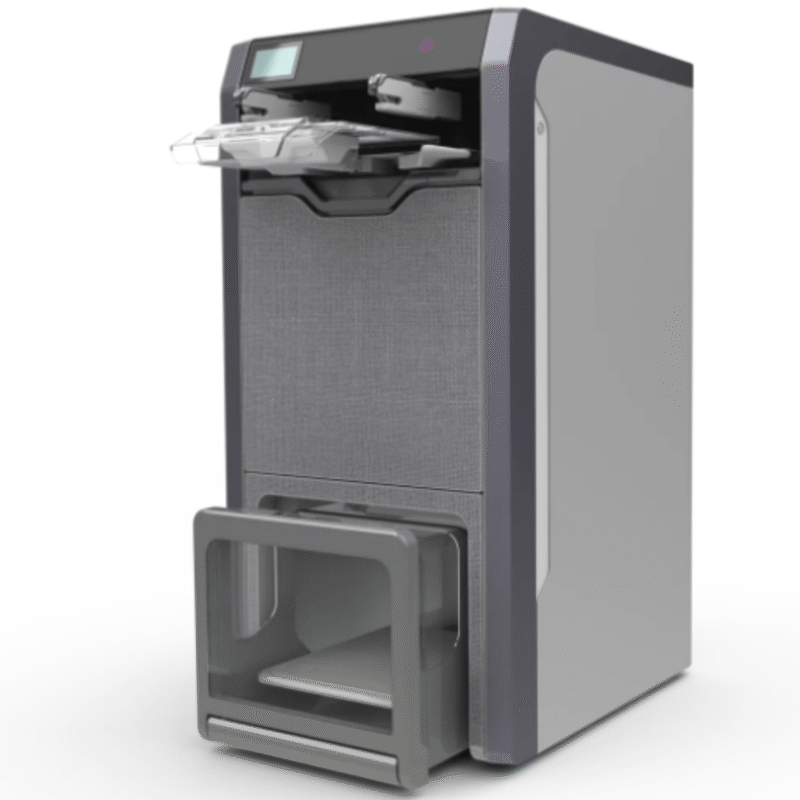
At their core, these machines combine simple mechanical handling with targeted heat and steam to smooth and fold garments. The process usually begins with you feeding a garment into designated grips or clamps; sensors detect size and fabric type, then internal belts, guides, and folding plates shape the garment before a gentle burst of steam reduces wrinkles. Models vary in how they handle different items—some are specialized for shirts and T-shirts, while others accept pants and lighter dresses. For example, the FoldiMate 2025 advertises an average of three seconds per fold and a high wrinkle-removal rate, while the FoldiMate Elite emphasizes professional-level steam and a faster throughput for busy households. Understanding the sequence—feed, steam/press, fold, release—helps set realistic expectations for cycle times and how you should prepare garments (buttoning, smoothing, or pre-sorting) to get the best results.
In practice, the actual interaction between user and machine matters as much as the machine’s technical specs. You’ll still need to check pockets, re-button shirts partially, and flatten collars before feeding items in. Having a routine—wash, dry, smooth, then feed—saves time and improves outcomes. Some machines accept garments directly from a dryer if they’re only lightly wrinkled, while others work better after a brief hand-smoothing. When you compare models like the original FoldiMate to newer releases such as the FoldiMate 2025, you’ll notice improvements in speed and fabric handling, but the practical steps you take before feeding garments are similar across the board. Small habits yield better, more consistent results.
Real benefits you’ll notice quickly
For many, the immediate benefit is time saved. Folding by hand can take minutes per garment when you account for careful alignment, and those minutes add up across a week. A machine that folds shirts and T-shirts in a few seconds reduces that repetitive task to a quick session. But time isn’t the only advantage. Consistent folding creates neater drawers and easier wardrobe management, which in turn reduces decision fatigue when getting dressed. If you share household chores, an automatic folding machine can also remove a thorny source of friction—there’s no more arguing about the “right” way to fold a shirt or who’s responsible for the chair of laundry.
Another tangible gain is wrinkle reduction. A unit with a dedicated steam function will deliver smoother garments than a straight fold alone, cutting the need for spot ironing. The FoldiMate Elite, for instance, is positioned for households that want near-professional results and rapid cycles—up to 25 garments in three minutes—making it appealing for families or anyone who needs a polished look with minimal fuss. Even the base FoldiMate authentic model brings consistent folds and saves time. These benefits compound: less ironing, quicker put-away, and an overall tidier living space.
Who truly benefits: matching the machine to your routine
Not every household will gain the same level of value from an automatic folding and ironing machine. Singles who wear casual clothes a few times a week may find limited benefit, while families with children, professionals who need wrinkle-free shirts, or anyone who dislikes folding will likely appreciate the investment. Consider the volume of laundry you produce, the types of garments you wear, and how you currently handle laundry tasks. If you’re folding dozens of items each week or managing uniforms and work attire that must look crisp, a higher-end model like the FoldiMate Elite makes sense. For smaller households or those experimenting with the concept, the original FoldiMate or the new FoldiMate 2025 offer more approachable entry points.
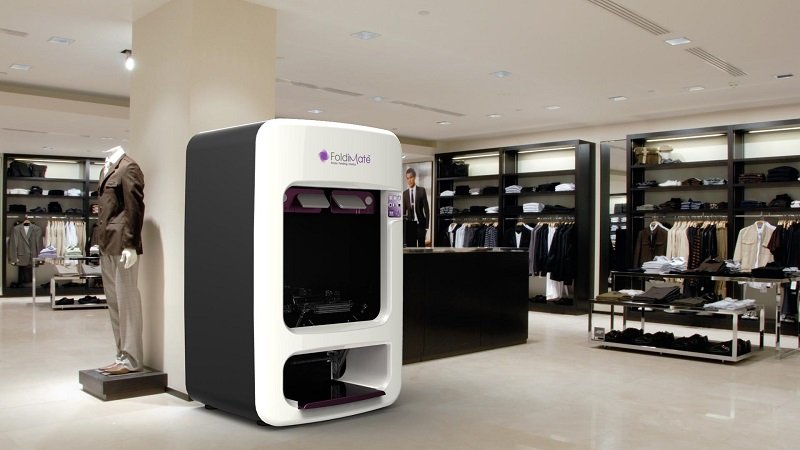
Think about where the machine will live. You’ll need floor space, access to power, and occasionally a water refill for the steam reservoir. Some users keep their unit in a utility room or laundry closet; others place it near a wardrobe area for immediate folding and storage. If space is limited, the FoldiMate 2025 advertises a more compact footprint, which can be important if the machine will be in and out of sight. Combining the machine with a clear routine—drying, smoothing, feeding—creates an efficient workflow that feels manageable rather than like another appliance to maintain.
Choosing between FoldiMate models: practical comparisons
When you compare the three FoldiMate options side by side, the differences fall into categories you can evaluate: speed, fabric compatibility, steam performance, and price. The FoldiMate 2025 focuses on speed and compact design—advertising three seconds per fold and strong wrinkle reduction—while the FoldiMate Elite trades a higher price for faster throughput and professional-grade steam that handles a wider range of fabrics with minimal touch-up. The original FoldiMate remains the most budget-friendly option and is a sturdy choice for standard shirts and casual wear.
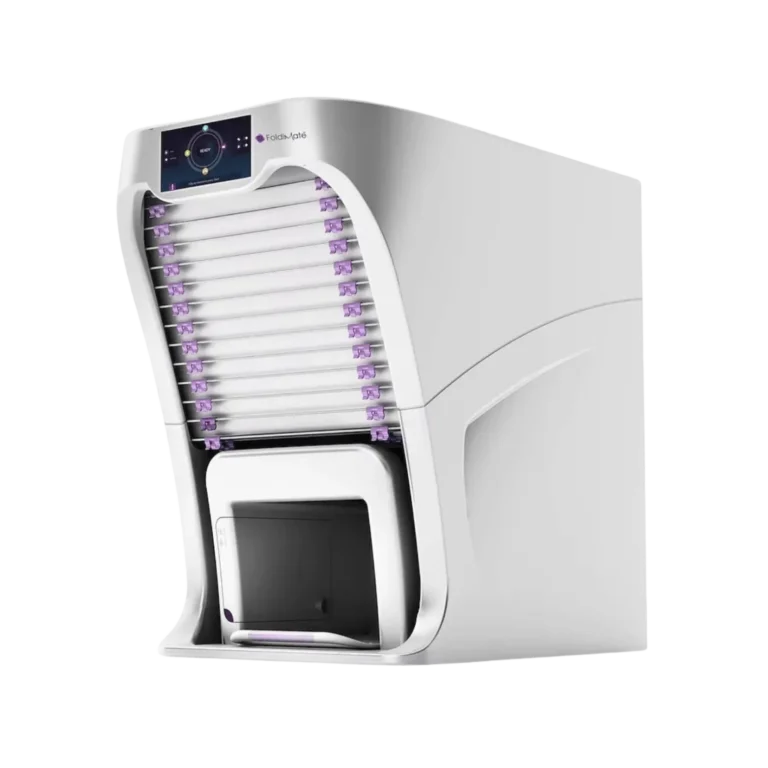
Price is part of the decision, of course. The FoldiMate authentic model is the most accessible, while the FoldiMate Elite costs more but may pay back its premium in time saved if you handle a large weekly volume. The FoldiMate 2025 sits in between with modern updates and a compact footprint. Beyond sticker price, consider long-term running costs, warranty, and how easy the unit is to clean. Reading real user experiences and trialing the machine (if possible) are helpful steps. You can also explore posts like which Fold Mate model best fits your needs for more hands-on comparisons.
Practical setup and daily routine
Setting up a machine in a way that complements your daily habits makes a huge difference. Start by selecting a dedicated spot near your dryer or drying rack, with clear space for an intake and an output area. Place a small basket or surface next to the machine to collect finished items for immediate drawer or hanger placement. A typical routine might look like this: 1) Remove garments from dryer and quickly smooth by hand, 2) Feed each item into the machine per its instructions, 3) Place folded garments in an organized basket or hang them to set the fold. If you routinely sort by family member or clothing type, use separate baskets at the output to avoid mixing items. These small organizational choices reduce extra handling and keep the process efficient.
Another practical tip is to batch similar items when possible. Many users find it speeds the process when they feed a run of T-shirts or shirts together rather than alternating fabric types. Keep a small kit nearby with replacement water, a soft brush for lint, and a lint roller for delicate fabrics. If your model supports steam, use distilled water in the reservoir to minimize mineral buildup. For step-by-step help and insights into integrating a machine into your home, you may find articles like how a laundry folding machine simplifies routines useful.
Maintenance, common problems, and realistic expectations
Like any home appliance, these machines are reliable when maintained. That means regular cleaning of belts and folding plates, emptying lint traps, and descaling steam components when necessary. Most manufacturers include clear instructions for routine care; following them can extend the life of the machine and keep results consistent. When something goes wrong—jams, sensors misreading, or a weak steam output—minor troubleshooting usually solves the issue: check for trapped tags or loose threads, ensure the water reservoir is full and clean, and consult the manual for sensor resets. If a problem persists, support and warranty service are important considerations when choosing a model.
It’s also important to have realistic expectations. These machines greatly reduce repetitive folding and improve consistency, but they won’t replace hand ironing for delicate fabrics with pleats or heavy linens. They are best suited for everyday clothing—T-shirts, shirts, casual pants, and light dresses. For specialized items like silk blouses, evening wear, or heavily tailored suits, spot ironing or professional pressing will still be required. Balancing these expectations helps you appreciate the convenience while avoiding disappointment. For more detailed considerations about whether a machine fits your home, see pieces like is a Foldimate laundry machine right for your home.
Budgeting and long-term value
When considering cost, evaluate both upfront price and the value of time saved. The FoldiMate authentic model presents a lower entry cost, while the FoldiMate Elite and FoldiMate 2025 sit at higher price points but promise faster cycles and stronger steam performance. If you value polished results and handle a lot of laundry weekly, a premium model can pay for itself in saved time and reduced paid ironing or laundry services. For occasional users, a more affordable model or sharing a single machine between family members may be the best approach. Consider also warranty coverage, customer service reputation, and availability of parts when estimating long-term cost.
Some households recoup the investment by reducing outsourcing costs—no more drop-off trips to a local pressing service for shirts—or by freeing up personal time. If you value small daily luxuries like crisp collars with little effort, the investment becomes more than financial; it improves daily routines and reduces friction. For buying guidance and store options, consult resources such as where to buy FoldiMate and external marketplaces like Amazon for accessory purchases.
Where to buy and what to look for
You’ll find machines sold through manufacturer stores and selected retailers. Buying directly from the brand often gives clearer warranty coverage and customer support, while some authorized resellers may offer promotions or bundles. If you’re interested in the newest features, the FoldiMate 2025 is marketed as in stock and shipping now, combining compact size with faster cycle times. The FoldiMate Elite is highlighted for households wanting near-professional results. The original FoldiMate remains an accessible starting option and can be a good way to test the concept without a large outlay.
When comparing sellers, check shipping policies, return options, and local support. If possible, see the machine in action—some retailers have demo units or live videos that show how different fabrics behave. For broader context about whether such a machine suits your home, you can read related reviews and home-focused articles like is an automatic laundry folder right for your home and is a machine that folds clothes right for your home. External sources such as wikipedia can help you brush up on fabric care basics before you buy.
Typical use cases and user stories
I’ve seen three user stories repeat themselves in conversations with owners. First, the busy parent juggling kids’ laundry finds that a folding machine reduces laundry time from a daily chore to a single short session. They feed shirts and play clothes in batches and reclaim hours through the week. Second, a professional who needs crisp shirts for work uses a premium model to keep shirts crisp and ready with minimal manual ironing. They appreciate consistent collars and smoother fabric from steam-equipped units like the FoldiMate Elite. Third, small households or couples use an entry-level model such as the FoldiMate authentic model to keep their living space tidy without a large commitment. Each story emphasizes an organized routine, appropriate expectations, and the choice of model that matched the household’s weekly volume.
One practical example: a family of four reported cutting folding time by 60% after adopting a machine and setting up a two-step flow—drying and pre-smoothing near the machine, then feeding items while one parent supervised homework. The result was neater drawers and less folding conflict. Another user who works from home valued the quiet of the newest models and the near-immediate ability to wear freshly folded shirts. If you want real-world comparisons, articles such as is the Foldimate laundry folding robot right for you collect user perspectives and can be useful when deciding.
FAQ
Will an automatic ironing and folding machine handle delicate fabrics?
Most machines handle standard everyday fabrics like cotton, polyester blends, and lighter denim, but delicate fabrics such as silk, embellished garments, and heavily pleated items often need special care. If you wear many delicate pieces, plan to keep a small routine for hand-pressing or professional care for those items. High-end models with gentle steam can be kinder to a wider range of fabrics, but always check the manufacturer’s recommended fabric list and run a few test cycles on an inconspicuous item before regular use.
How much space do these machines need?
Space requirements are modest but real: allow room for intake and output, and ensure easy access to a power outlet. The FoldiMate 2025 emphasizes a compact profile for smaller laundry areas, while the Elite may require a slightly larger footprint due to enhanced steam components. A corner of a utility room, a laundry closet, or a dedicated shelf near the dryer works well for most homes.
Are there ongoing costs?
Yes, mainly in the form of distilled water for steam, occasional replacement parts, and potential descaling solutions if you have hard water. The time value you recover often offsets these small costs. Regular maintenance—cleaning belts and emptying lint—keeps the machine performing well and avoids costly repairs.
Where can I learn more or see demos?
Manufacturer sites are the first stop for demos and updated specs. For further reading, check product pages like the FoldiMate authentic, the FoldiMate 2025, and the FoldiMate Elite. For context about fabric care before you try a machine, general resources like wikipedia help with label meaning and fabric types. If you prefer in-person advice, some retailers offer demos or video walkthroughs.
Final thoughts: is it the right move for you?
Choosing an automatic ironing and folding machine is as much about lifestyle as it is about features. If you value time, consistency, and a tidier home, one of these machines can be a meaningful upgrade. For families and professionals, the time savings and better presentation of clothes are immediate benefits. If you’re cautious about the investment, consider starting with a mid-range model or the original FoldiMate to see how it changes your routine, then decide whether a premium model like the FoldiMate Elite or the compact FoldiMate 2025 would be worth the upgrade. You can explore more guidance in related posts such as which Fold Mate model best fits your needs and what is a reasonable clothes folding machine price to help finalize the decision.
If you’re ready to proceed, compare real-world user feedback, warranty conditions, and the return policies of sellers. And when you’re ready to test one, consider starting with a compact unit to learn how the machine fits with your habits. Over time, you may find that a simple change to your laundry flow delivers calmer mornings, neater closets, and more usable time for things you enjoy.