Blog
Automatic ironing and folding machine that saves 2–4 hours

How an automatic ironing and folding machine saves 2–4 hours weekly
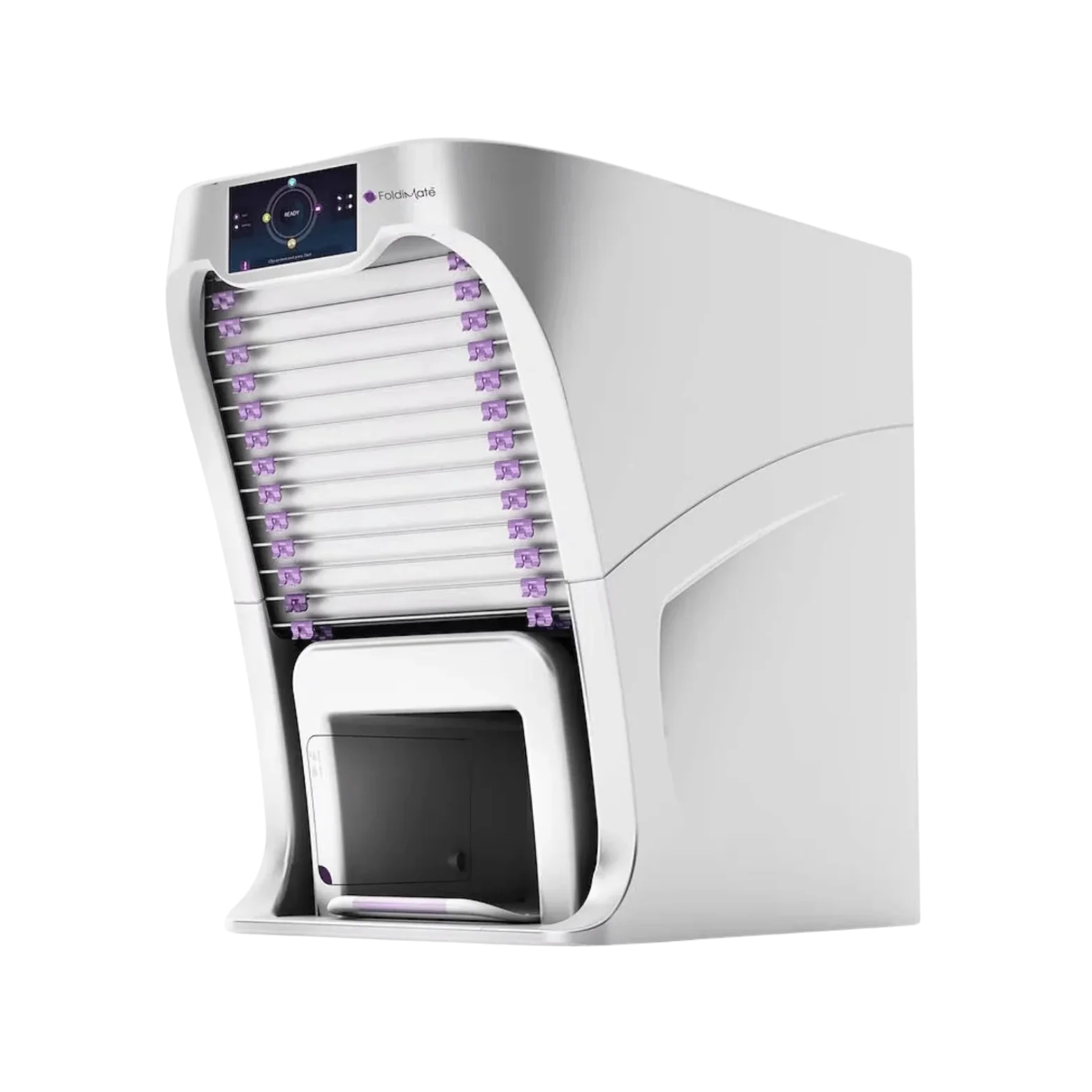
The fastest answer: a reliable automatic ironing and folding machine can cut laundry finishing time by roughly 2–4 hours per week for an average household of 2–4 people. That figure comes from timing individual tasks: folding a shirt (40–60 seconds), towels (90–120 seconds each), and straightening small items — multiplied across a weekly volume of 30–50 garments. When you offload that repetitive work to a device like the FoldiMate automatic laundry folder the bulk of hands-on time drops to loading and quick sorting, not standing at a table.
If you do laundry twice weekly and spend 45–90 minutes folding each session, an automatic folder that processes 10–20 garments in one cycle will reduce active folding time to 10–20 minutes per session. Multiply that by weeks per year and the time savings become obvious: 100–200 hours returned annually if you consistently use the machine.
What these machines can and cannot fold or iron
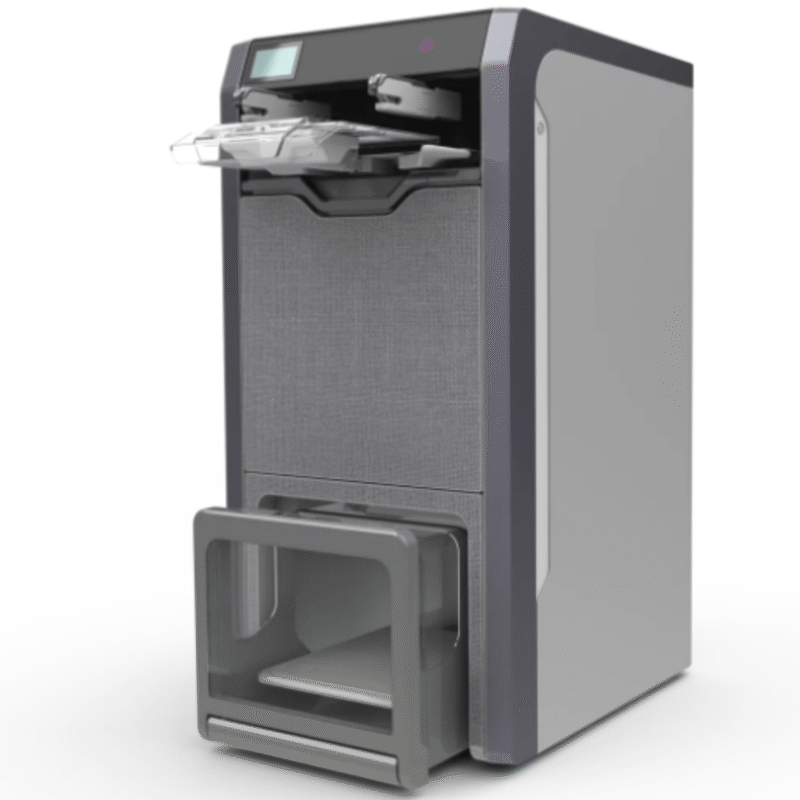
Short answer: they handle common garments well but have limits. Typical supported items include T-shirts, casual shirts, towels, pants (limited styles), and light dresses. Machines with ironing capability apply light heat and tension to reduce creases but do not fully replace a professional iron for crisp dress shirts or delicate fabrics. For example, the FoldiMate Elite robot adds a stronger press and longer heat cycle aimed at work shirts and uniform-type garments, but silk, sequined items, and heavy winter coats remain out of scope.
Practical checklist of what these machines typically process:
- Good: cotton and cotton-blend T-shirts, polos, most towels, knitwear that’s tumble-dried flatable.
- Possible with prep: business shirts with minimal starch if collar/buttons are pre-treated and the machine offers a press mode.
- Not recommended: lingerie, heavily textured fabrics, items with large zippers or hoodies with bulky drawstrings, and oversized bedding.
Most users accept a small finishing step for collars or cuffs. If you need near-professional press every time, combine a folding robot with a short manual touch-up session.
Which model fits your home and laundry habits
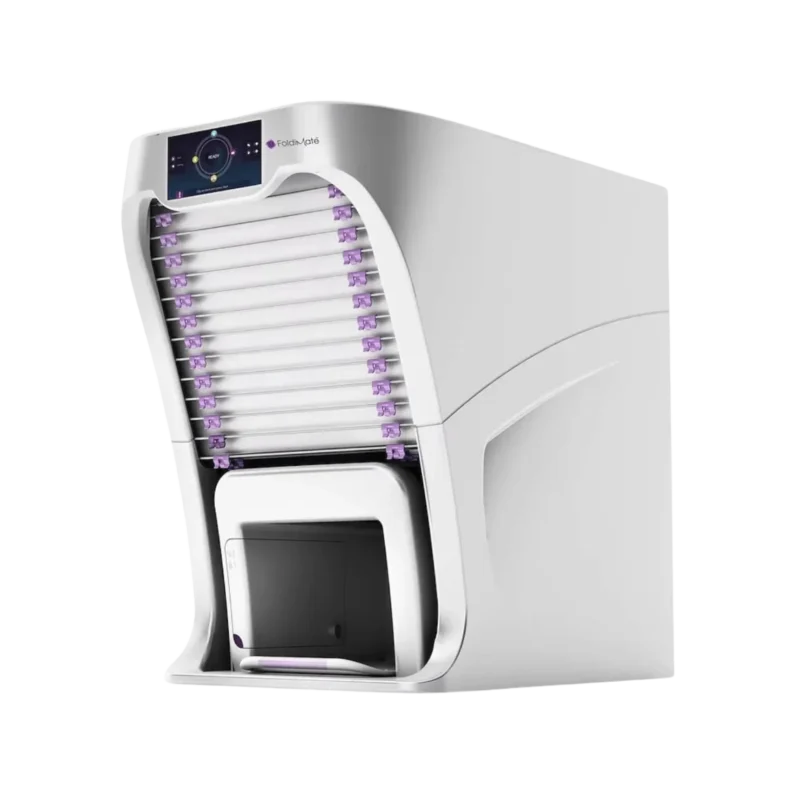
Pick by volume, finish level, and budget. Price points from the available machines give a clear starting filter: models start at 249.99, a mid-tier option is 349, and the premium ironing-capable unit is 449. If you fold for a single person or a couple and want reliable folding without heavy pressing, a base model like the FoldiMate automatic laundry folder or the FoldiMate 2025 compact unit fits most needs.
If your priority is fewer manual touch-ups and better press results for shirts, the FoldiMate Elite robot adds stronger heat and finishing cycles. Match model to your habits:
- Small household, casual wardrobe: choose lower-cost, compact models.
- Family with school uniforms or office shirts: consider the Elite for better ironing results.
- Limited space or apartment living: look for the 2025 model’s compact footprint and simpler installation.
For feature-by-feature comparisons and real-world tests see the
FoldiMate reviews and testsand the
choose the right fold machinearticle.
Installation, footprint and daily workflow
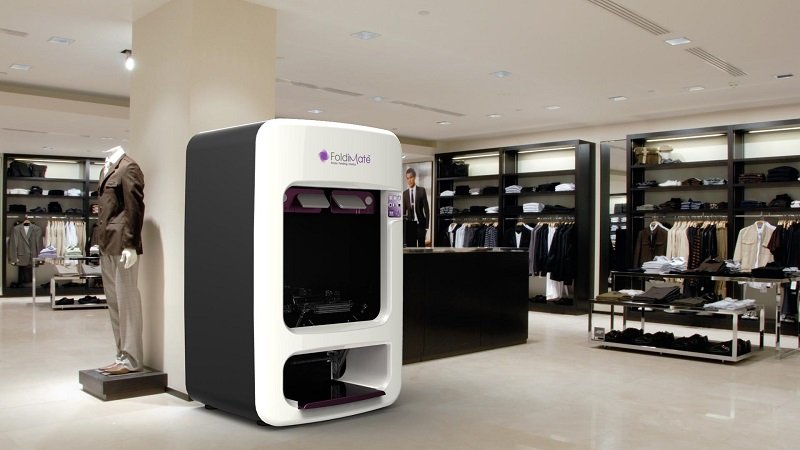
Most automatic ironing and folding machines need a dedicated vertical space and a flat front clearance for loading and retrieval. Expect a footprint roughly 0.4–0.9 meters wide and a depth of 0.4–0.6 meters; height commonly ranges 1.0–1.5 meters depending on hopper design. That means they sit comfortably next to a washer/dryer stack, inside a utility closet with the door open during operation, or in a laundry room corner.
Daily workflow typically looks like this:
- Sort: separate delicate items and those with big hardware that the machine cannot accept.
- Pre-treat: button collars, remove large accessories, and shake out heavy wrinkles after drying.
- Load: place items into the intake one at a time or in a small stack, following the model’s recommendations.
- Run cycle: most cycles last 1–3 minutes per item; a batch of 10–15 pieces can finish in 15–30 minutes depending on model and modes selected.
- Retrieve and stack: take folded items into your closet or drawer. Do a brief manual touch-up where needed.
Tip: keep a small staging basket for items the machine cannot handle and schedule a 10-minute weekly ironing session for those few pieces. Installing near your dryer minimizes handling time between machines. For exact placement and electrical needs check the product pages in the FoldiMate machines category.
Running costs, maintenance and energy use
Estimate energy per cycle at roughly 0.1–0.6 kWh depending on the press/heat intensity and the length of the cycle. At household electricity rates this typically adds a few cents to less than a dollar per full folding session. Annual energy cost for moderate use usually sits between $10 and $60 per year based on 2–4 cycles weekly and selected heat modes.
Maintenance tasks and approximate frequency:
- Weekly: clear lint traps and empty drip trays if present.
- Monthly: inspect intake belts and brushes for hair or threads and remove obstructions.
- Annually: replace wear parts like belts or pressing pads if the manufacturer recommends it (expect simple user-replaceable parts).
Real-world maintenance is minimal: a 5–10 minute weekly check usually keeps the unit running smoothly. If you want a walkthrough on upkeep and longevity, read the practical tips in the
FoldiMate machine guide to save time with automated foldingand the hands-on tests in the
FoldiMate reviews and tests.
How to get neat, consistent results fast
Two habits produce the best output: pre-sorting and small staging. Pre-sorting means grouping similar-weight garments so the machine doesn’t switch heat/tension modes frequently. Small staging means feeding 8–12 items per cycle rather than a large mixed stack. That reduces jams and improves consistency.
Operational tips:
- Shake items right after drying to reduce deep-set wrinkles before feeding them into the machine.
- Remove large buttons, safety pins, and loose decorations to avoid mechanical issues.
- Use the machine’s press mode for shirts when available and let them cool for 1–2 minutes before stacking to keep folds crisp.
These steps reduce rework. Linking to products, try the
FoldiMate 2025 compact unitfor small-space speed or the
FoldiMate Elite robotwhen you want stronger pressing and fewer manual touch-ups. Additional user tips and realistic time-savings appear in the post about
automatic clothing folder saves 2–4 hours.
Is an automatic ironing and folding machine worth the investment
Short answer: yes for busy households, families, or anyone valuing time over a modest one-time purchase. Do the simple math: if a device costs 349–449 and saves 2–4 hours weekly, valuing your time at a conservative $10 per hour equals $20–$40 saved weekly — you recoup the cost in under a month. Even at $5 per hour, the payback is within a few months.
Compare the models available: the value entry model at 249.99 is a low-risk buy for those testing the concept, the 349 unit (FoldiMate 2025) balances compact design with improved cycle features, and the 449 Elite model targets people who want stronger pressing and a closer-to-ironed finish. See detailed model pages for current specs and to confirm compatibility with your wardrobe:
- FoldiMate automatic laundry folder — budget-friendly option.
- FoldiMate 2025 compact unit — balanced performance.
- FoldiMate Elite robot — premium ironing and finish.
Also read user-focused posts such as
is a laundry folding robot worth the investmentand the practical savings case in
automatic folding machine saves hoursto refine your decision.
Frequently asked questions
How long does it take to fold a load?
Expect 1–3 minutes per garment depending on the model and selected mode. A 10–15 item batch commonly finishes in 15–30 minutes.
Can these machines fully replace ironing?
No. They significantly reduce manual ironing but don’t fully replace a professional iron for crisp dress shirts or delicate fabrics. Premium models cut down finishing work the most.
Are they safe for delicate items?
Most manufacturers advise against feeding silk, sequins, or fragile trims. Use the machine for sturdy woven and knit items and hand-iron delicate pieces.
How noisy are they?
Noise levels are comparable to a small appliance: generally louder than a slow fan but quieter than a vacuum. Place the unit in or near a laundry room to minimize disturbance.
What maintenance is required?
Simple upkeep: empty lint and drip trays weekly, clear hair or threads from intake belts monthly, and replace wear parts yearly if specified. Manufacturer pages list exact parts and intervals.
Where can I compare models and read real tests?
Compare detailed tests and user feedback on the FoldiMate reviews and tests and browse model options in the FoldiMate machines category to match features to your needs.
