Blog
Can automatic folding clothes machines save you hours weekly

Yes automatic folding clothes machines save hours weekly
Short answer: yes — a household automatic folding clothes machine can save most users 2 to 6 hours per week depending on family size and laundry habits. The exact time saved comes down to how many loads you wash, the machine’s cycle speed, and whether you use it for shirts, towels, or larger items. For a single person who does 4 loads weekly and spends 10–15 minutes folding per load, a folding machine that processes 4–6 items per minute cuts that folding time to roughly 20–40 minutes total.
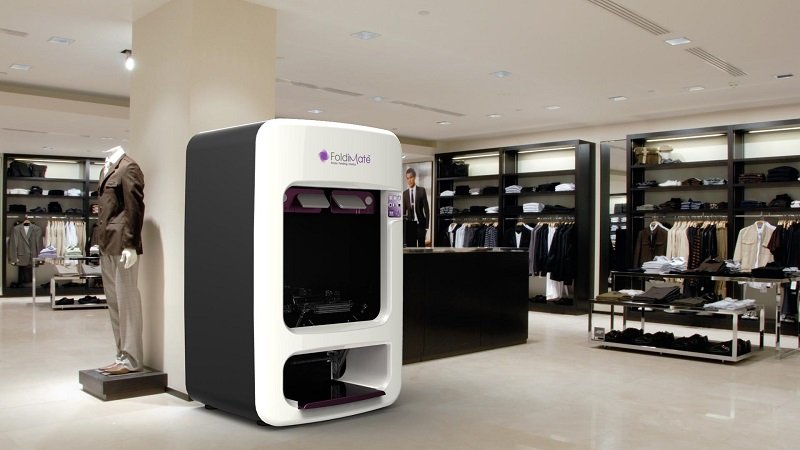
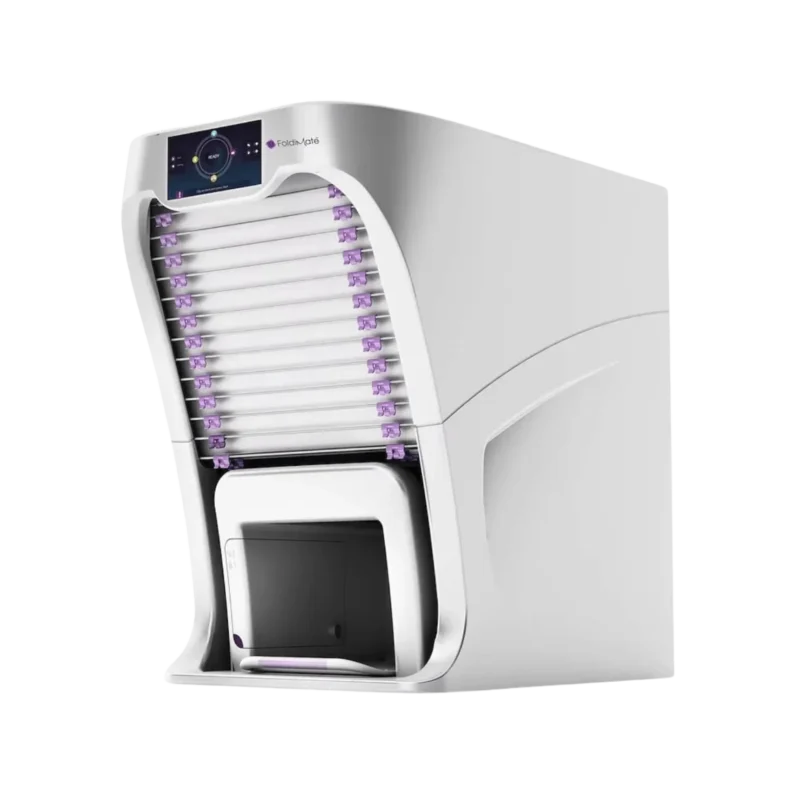
This is why many households consider devices like the FoldiMate automatic folding machine or the newer FoldiMate 2025 folding machine. Those models are designed specifically to take standard garments from hand-holding to stack-ready in a matter of seconds per item. If your priority is reclaiming time rather than saving money on utilities, the math often favors buying one.
How automatic folding clothes machines actually work and what they handle
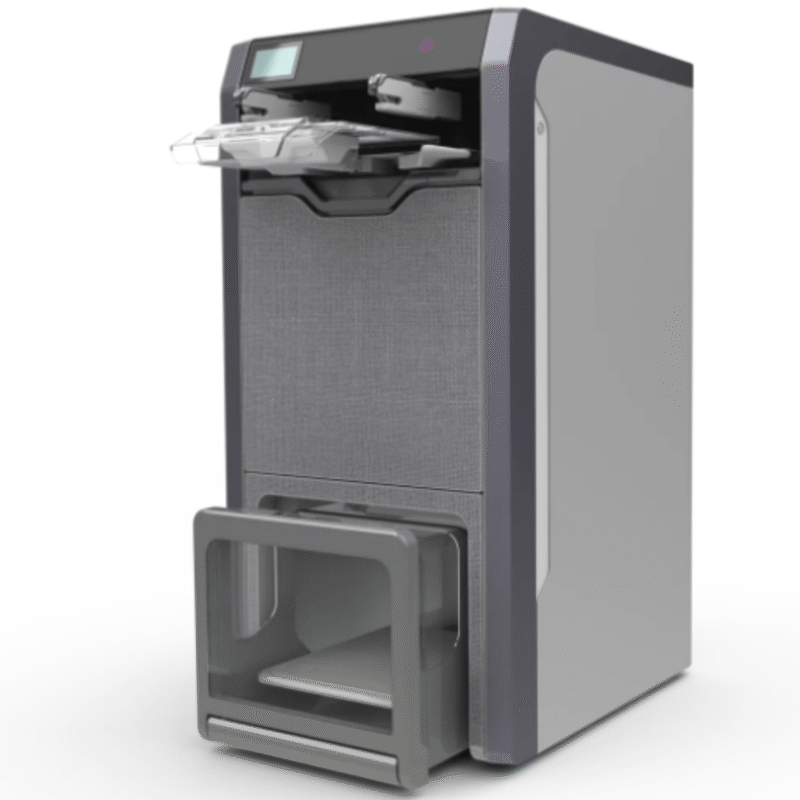
Most consumer-grade folding machines use guided clamps, internal conveyors, and set folding plates to create a consistent fold pattern. You feed one garment at a time into the intake slot, sensors detect the item type and size, and mechanical arms or belts flatten and fold. The result is a uniform stack that looks like it was folded by hand but far faster.
Typical capabilities include shirts, T-shirts, pants, towels, and many children’s clothes. Limitations are common: delicate fabrics, heavy winter coats, fitted sheets, and items with multiple fastenings or embellishments often need manual handling. Models with ironing features — for example the premium model that adds hot-plate smoothing — expand what you can process automatically but increase footprint and price.
If you want deeper detail on what to expect from an automatic folder in everyday use, read the comparative tests in FoldiMate reviews and buying guide which run real-world garments through the machines and report success rates for each garment type.
How much time and money you actually save — realistic examples
Concrete example 1: single adult – Laundry: 4 loads/week, average 10 items per load, folding time 12 minutes per load = 48 minutes weekly. – With an automatic folder that folds at 5 items per minute, total folding = 20 minutes for those 40 items. Weekly saved time ≈ 28 minutes. Concrete example 2: family of four – Laundry: 10 loads/week, average 12 items per load = 120 items, manual folding ~2 hours/week. – Using a machine at 5 items/min (24 minutes total) or a faster mode at 8 items/min (15 minutes total) reduces folding to under 30 minutes. Weekly saved time ≈ 90–105 minutes. ROI: factor in device price. The base FoldiMate price of 249.99 reduces to around the cost of a few weekly hours of time if you value your time at $10–$20/hour. The FoldiMate 2025 listed at 349 and the FoldiMate Elite at 449 add features (ironing, faster cycles) that shorten payback if you value convenience highly or have larger laundry volumes. Use the purchase links for precise pricing and model details: FoldiMate automatic folding machine, FoldiMate 2025 folding machine, FoldiMate Elite ironing robot.
Which garments are good candidates and which you should skip
Good candidates
- Casual T‑shirts and polos — high success rate and fast cycle times.
- Thin cotton shirts and pajamas — fold consistently.
- Towels and simple pants — straightforward shapes that machines handle well.
Items to skip or pre-treat
- Delicates, silk, lace and embellished items — risk of damage or poor folds.
- Fitted sheets and duvet covers — the large surface and elastic corners confuse sensors.
- Bulky coats, heavy knitwear, or anything requiring hang drying or special finishing.
Models that combine folding with ironing (such as the premium Elite) can handle a broader range by smoothing creases during the process, but they still have limits. For a deeper look at whether an iron-capable model is right for your home read is a fold and iron machine worth adding to your home for tradeoffs and use cases.
How to choose the right automatic folding clothes machine for your home
Start with three practical questions: how many people in the household, how many loads per week, and how much storage/space you have. Compare these against machine speed (items per minute), supported garment list, footprint, and price. Checklist to compare models
- Speed: items per minute — faster machines save more time on high volumes.
- Supported garments: confirm the machine will fold the items you use daily.
- Extra features: ironing, steaming, fold-size presets for drawers.
- Footprint and installation: measure a corner in your laundry room before buying.
- Price vs expected weekly hours saved: use the simple ROI math in the earlier section.
Examples: the basic FoldiMate automatic folding machine is a lower-price entry point for singles or couples. The FoldiMate 2025 balances compact design with speed, while the FoldiMate Elite adds professional ironing for households that need both folding and finishing.
For a direct comparison and buying checklist consult how to choose the right fold machine for your home and the category hub FoldiMate Machines category which lists available models and specs.
Daily setup, workflows, and maintenance tips to maximize time savings
Best practice setup
- Place the machine near your dryer exit so you can feed items directly after tumble drying — this removes a transfer step.
- Sort a dedicated small basket for items suited to the folder to avoid interruptions during runs.
- Program fold-size presets to match drawer stacks so you don’t re-fold after a machine run.
Maintenance and troubleshooting
- Clean sensors monthly and remove lint from belts; most simple clogs are user-cleared in under 5 minutes.
- Run a short calibration cycle after firmware updates or if folds become inconsistent.
- Consult the FoldiMate machine guide to save time for step-by-step maintenance routines and common fixes.
Tip for busy homes: schedule two automated folding sessions daily (morning and evening) rather than one large batch. Smaller, frequent runs reduce rework, keep drawers tidy, and integrate the machine into daily routines so it genuinely saves time rather than becoming a storage catch-all.
Questions fréquentes
How fast are these machines per garment and per hour
Most consumer machines process 4–8 items per minute depending on garment complexity. At 5 items/min, you can fold roughly 300 items in an hour under continuous feeding, though practical throughput is lower because of feeding pauses and occasional manual adjustments.
Do folding machines damage clothes
They rarely damage standard cotton and synthetics when used as directed. Avoid feeding damp garments, heavily embellished items, or delicate fabrics. Always check the manufacturer recommendations for fabric restrictions on the specific model you buy.
Can these machines replace ironing
Basic folders do not iron; they flatten folds and stack garments neatly. Models with built-in ironing or steaming (for example the premium Elite model) reduce wrinkles and can replace light ironing tasks, but heavy creases often still require a conventional iron or steamer.
How much space do they need and where to place one
Footprint varies by model; compact units fit a laundry shelf or corner, while premium ironing-capable models require more depth. Measure your available space and compare with listed dimensions in the model pages at the FoldiMate Machines category.
Is setup difficult and are spare parts available
Setup is typically plug-and-play with a short calibration routine. Spare belts, sensors, and user-replaceable parts are available through manufacturer parts pages and support; check the product support links on each product page: FoldiMate automatic folding machine, FoldiMate 2025 folding machine, FoldiMate Elite ironing robot.
Where can I read real user tests and comparisons
For hands-on test results and a buying checklist, see the in-depth testing in FoldiMate reviews and buying guide and the time-saving analysis at automatic folding machine that saves you hours each week. Those articles run garments through machines and report success rates, time-per-item, and common failure modes.
