
Blog
Is an automated laundry folding machine worth it for your home?

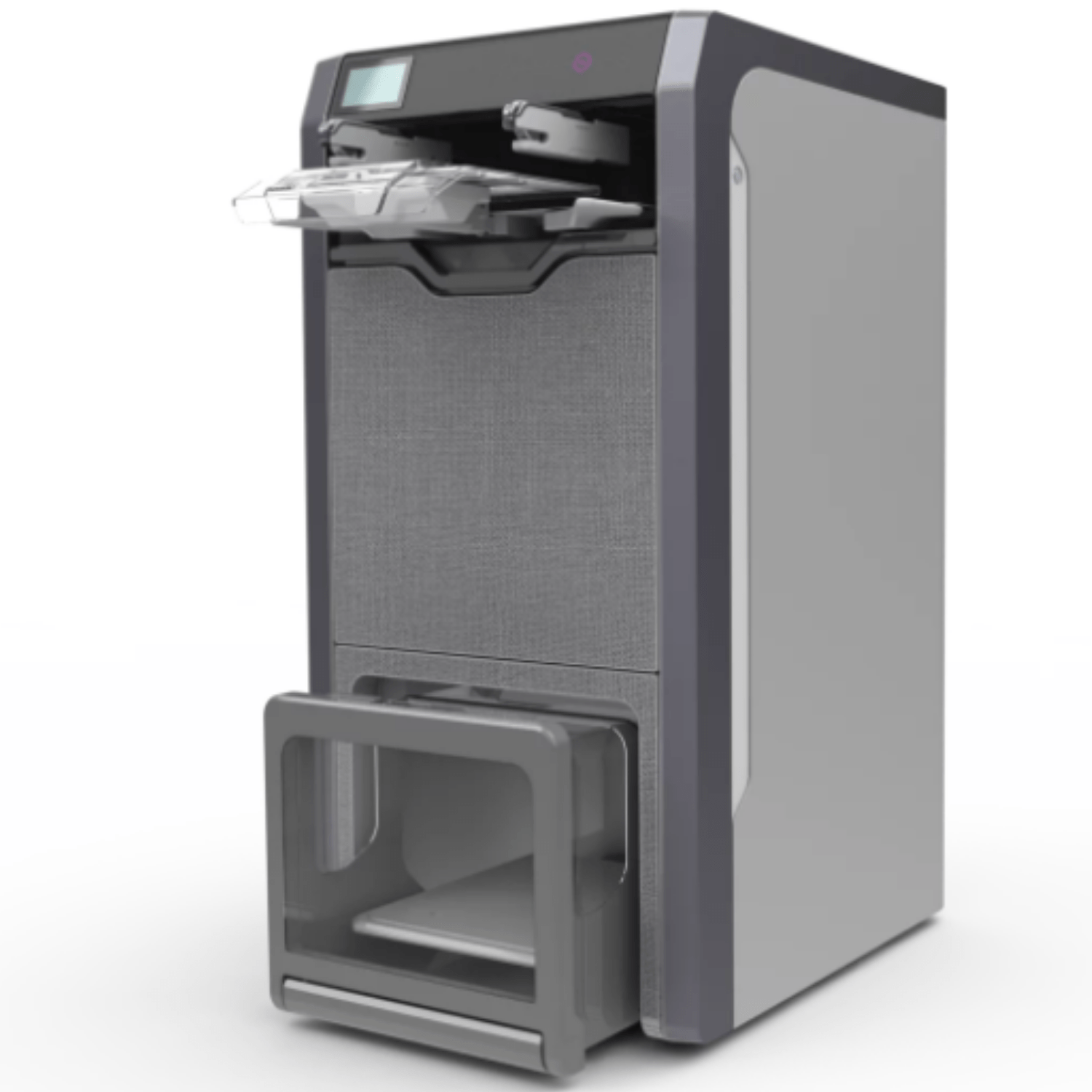
Short answer: yes, with conditions
The short answer is: an automated laundry folding machine can be worth it if you value reclaimed time and have predictable loads. Expect to save 2–6 hours per week depending on household size and how much folding you currently do, but savings rely on load consistency and garment types.
If you live alone or fold irregular items (linen, delicates, bulky towels), a machine will help but won’t eliminate every folding task. For families with 2–5 people and 3+ loads weekly, a folding robot like FoldiMate turns folding into a push-button chore and pays back its value in hours saved, not dollars. Read on for exactly how they work, which model fits which home, set-up and maintenance, and realistic performance numbers so you can decide fast.
How automated laundry folding machines work
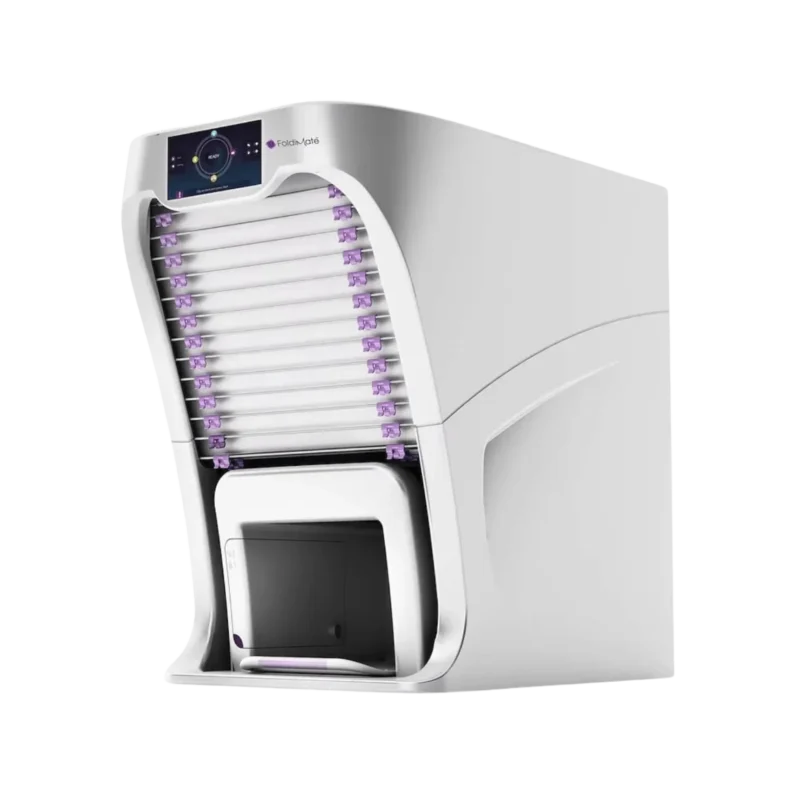
Automated folding machines use clamps, conveyors and internal guides to grab garments, flatten them and fold them into repeatable shapes. Most consumer models require you to feed one item at a time at the front slot; sensors detect size and type, internal rollers flatten the fabric, then mechanical arms fold and stack. Cycle time per item ranges from 8 to 25 seconds depending on size and cycle chosen.
Key constraints: they work best with shirts, T‑shirts, pants and towels of standard fabric. Bulky sweaters, fitted garments, small kids’ clothes, and items with large buttons or hoods often need manual pre‑folding or skip mode. Machines that add ironing or steam will smooth creases but still require you to pre‑sort and sometimes pre‑unfold items. Performance depends on correct feeding — wrong orientation or clipped tags can jam the feed sensors.
Who benefits most and who should skip it
Best fit households:
- Busy families with 2–5 people and predictable wash routines — multiple identical shirts and pants per load.
- Home offices or small vacation rentals where quick turnaround of linens matters.
- People who hate folding and will consistently use the machine every week.
Who should skip or wait:
- Households that wash mostly delicate, oversized, or irregular items (wool, formalwear) — many of these need hand care.
- Minimalists who already have under 2 loads/week of laundry — time savings are too small to justify cost.
- Those with very limited floor space or no electrical outlet near the intended spot — most machines need 0.5–1 m² and a standard outlet.
If you’re unsure whether the device fits your rhythm, read a real hands‑on review to compare expected time savings with your current routine: Foldimate Reviews – Real Tests Pros Cons and Buying Guide.
What each FoldiMate model does and real differences
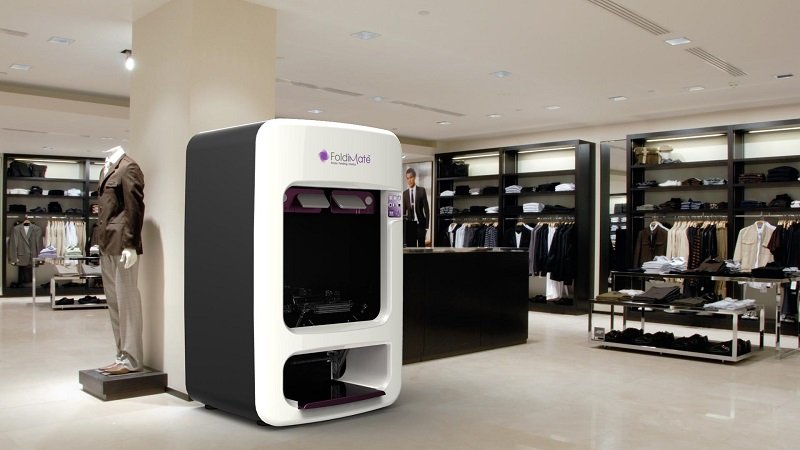
FoldiMate currently markets three consumer options with clear tradeoffs between price and features. Below I list practical differences so you can match model to need rather than marketing copy.
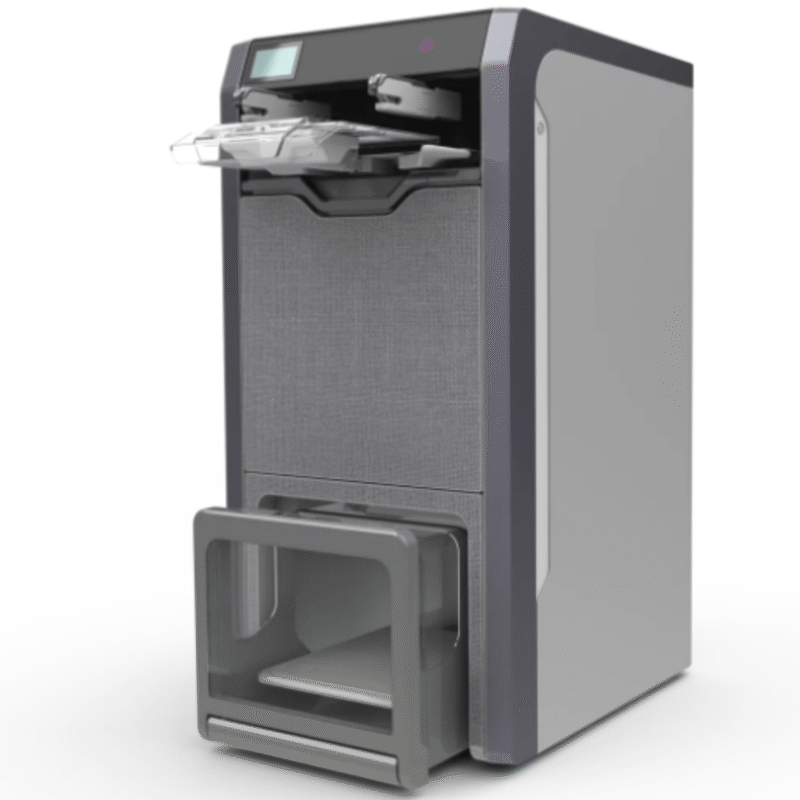
- FoldiMate (authentic) — price listed at 249.99 on the product page. It’s the baseline automatic folding unit that handles T‑shirts, shirts, pants and similar items. Good for single users or couples who want reliable folding without ironing.
- FoldiMate 2025 (new generation) — priced at 349. The 2025 adds a more compact footprint and updated sensors to reduce jams. Expect slightly faster cycle times and better handling of mixed fabric thicknesses. Ideal for smaller homes that still run frequent loads. See the 2025 product page for images and specs: FoldiMate 2025 product page.
- FoldiMate Elite — the premium option at 449. The Elite adds professional ironing/steam features, improved material handling and a higher duty cycle for near‑continuous use. Choose Elite if you need wrinkle reduction and a polished finish alongside folding. Full details at the Elite page: FoldiMate Elite product page.
Practical differences to weigh:
- Price vs time saved: baseline models return time savings earlier; Elite returns more convenience (fewer post‑fold touchups).
- Space: 2025 is the most compact; Elite is slightly larger to house ironing components.
- Maintenance: Elite has steam components requiring descaling; other models are simpler to keep clean.
For side‑by‑side use examples and which model suits which home, see Which Fold Machine for Clothes Fits Your Home Best.
Set-up, daily workflow and real time savings
Set‑up is straightforward: unpack, place near a power outlet, plug in, and run a short calibration cycle. Most owners report first‑use readiness in under 20 minutes. Recommended spot: laundry room or hallway with ~60 cm clearance in front for feeding garments.
Typical daily workflow for a family of four:
- Sort and remove heavy items (blankets, large towels).
- Feed shirts, T‑shirts and pants one by one after drying; each item takes 8–20 seconds depending on model and fold option.
- Stack finished items into baskets for immediate put‑away.
Real time savings measured in tests and owner reports: 2–6 hours per week. If you currently spend 1–2 hours per day folding, a folding machine can cut that to 15–30 minutes of feeding time. See tests and time calculations in this post: Automatic folding machine that saves you hours each week and the practical machine guide: Foldimate Machine Guide to Save Time with Automated Folding.
Pro tip: batch similar garments together before feeding to keep cycles consistent and reduce sensor errors. If you want a quick checklist for choosing a model by workflow, consult How to Choose the Right Fold Machine for Your Home.
Costs, maintenance and common problems
Upfront cost range: the product pages show clear pricing — FoldiMate authentic at 249.99, FoldiMate 2025 at 349, and FoldiMate Elite at 449. These are purchase prices; compare them to what your time is worth. If folding takes you 3 hours/week and you value your time at $15/hour, that’s $45/week or roughly $2,340/year saved in time — which makes the device pay off quickly in purely time‑value terms, but your personal valuation will vary.
Maintenance expectations:
- Daily: remove lint and check feed slot for loose tags.
- Monthly: wipe internal surfaces and inspect belts or rollers; models with steam need periodic descaling per manufacturer instructions.
- Parts: belts, sensors and small rollers are the typical replaceable items; check warranty coverage and spare part availability.
Common issues and fixes:
- Jams from bulky items — solution: pre‑fold or exclude those items.
- Misfolds when garments are wet or heavily wrinkled — solution: ensure items are fully dry and use a steam/ironing cycle if available on Elite.
- Sensors falsely reading tags — solution: remove large tags or feed garment with tag away from the sensor.
If you want a reality check on common faults and long‑term ownership, read user experiences and tests at Can an automatic clothes folder save you hours each week and the buying guide: What is the FoldiMate price and is it worth it?.
Questions fréquentes
How fast does a folding machine fold a single shirt?
Typical cycle time is 8–20 seconds per shirt depending on model, fabric and chosen fold style. Elite models with added ironing/steam take a few seconds longer per item because they add wrinkle‑reduction steps.
Can it handle towels, bedding or bulky items?
Towels and light bath towels are usually fine; large bath sheets, comforters and fitted sheets are not suitable. Bulky sweaters and heavy knitwear may need manual folding to avoid damage or misfolds.
Does the machine iron clothes as well as fold?
Only premium models with dedicated ironing or steam functions will remove creases significantly. The FoldiMate Elite lists professional ironing features on its product page, while the base units focus on folding only.
How much space and power does it need?
Allow roughly 0.5–1 m² of floor space and a standard household electrical outlet. Weight and exact dimensions vary by model — see the product pages for measurements and the category listing for the range of models: FoldiMate machines category.
Is maintenance difficult and are spare parts available?
Maintenance is light for non‑steam models: regular lint removal and occasional belt checks. Steam/ironing models require descaling. Replacement parts are available through the FoldiMate product pages and support channels; check warranty terms at purchase.
Where can I compare real user tests and hands‑on reviews?
Read independent tests and detailed comparisons at Foldimate Reviews – Real Tests Pros Cons and Buying Guide and model‑specific experiences at Foldimate robot what it does and which model to buy. For quick time‑saving math and owner surveys, consult: Automatic folding machine that saves you hours each week.
If you want to compare models or buy, check these product pages directly:
Summary action steps: if you run 3+ standard loads per week, start with the FoldiMate 2025 for compact size and improved sensors; if wrinkle reduction matters, choose the Elite; if budget matters and you want core folding only, the authentic FoldiMate is entry level. Explore model specs and real tests via the links above before buying.
