Blog
Laundry folding machine that saves you hours every week

Do laundry folding machines actually save time and money?
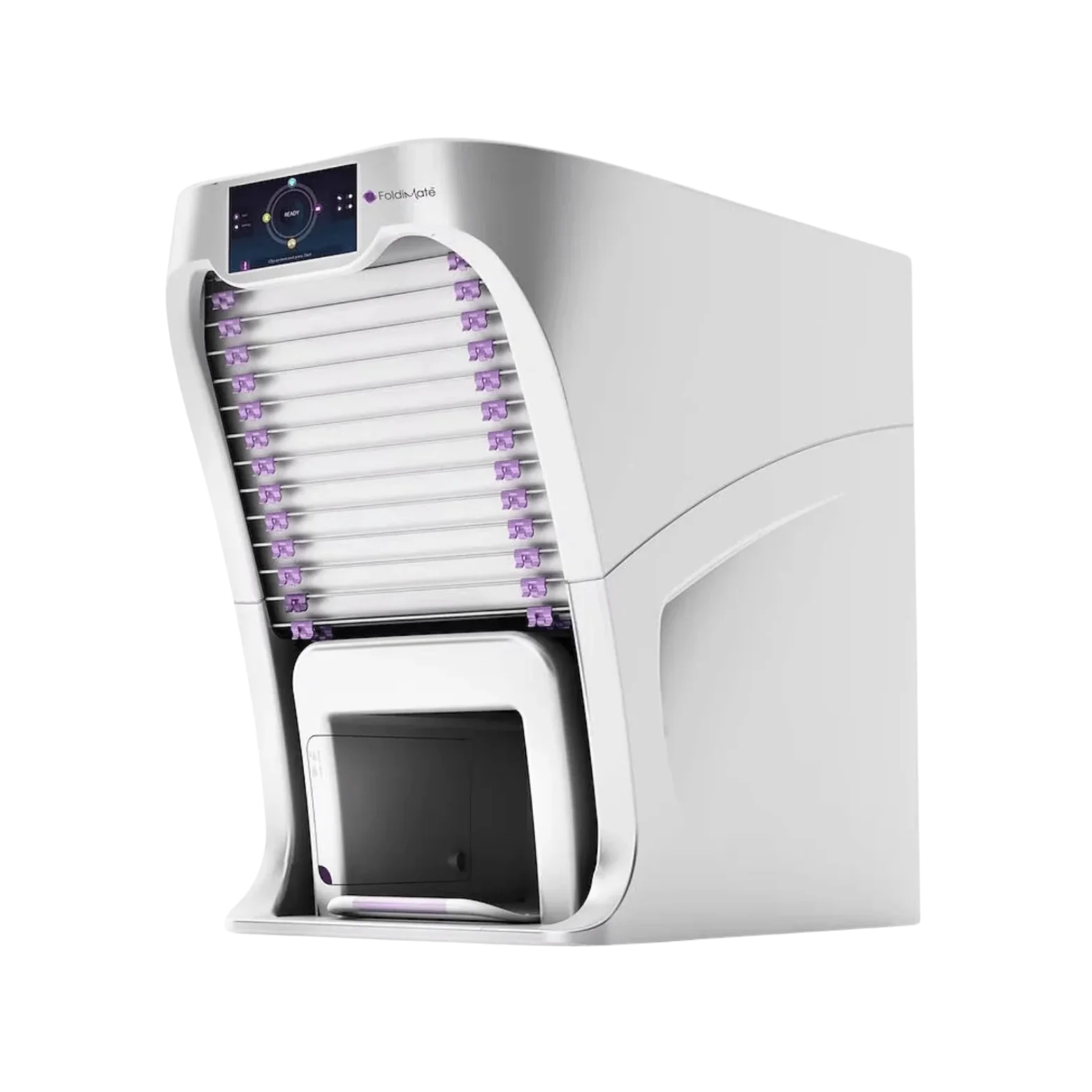
Yes — a laundry folding machine can cut the time you spend folding by roughly 60–90%, typically freeing 2–6 hours per week for a 2–4 person household. Real-world tests show that one operator feeding shirts, tees and pants into a machine like the FoldiMate 2025 completes the same volume in 1/3 to 1/5 of manual time when you factor in sorting and stacking. That’s the immediate payoff: less repetitive work and more predictable results.
Financially, a machine priced between $249.99 and $449 can start to make sense if you value your time at $15–$30 per hour or if you regularly outsource laundry folding. For families with children or busy professionals, the break-even point often sits between 6 and 18 months when you include saved time, reduced ironing, and fewer mistakes (missed socks, re-folds). If you want detailed user test notes and pros/cons, see the Foldimate Reviews – Real Tests Pros Cons and Buying Guide.
Which FoldiMate model fits your home best
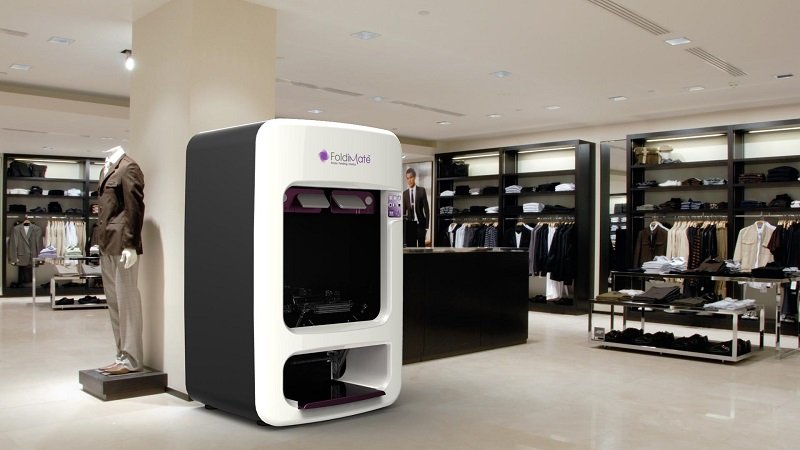
There are three practical options to consider and they each suit different routines.
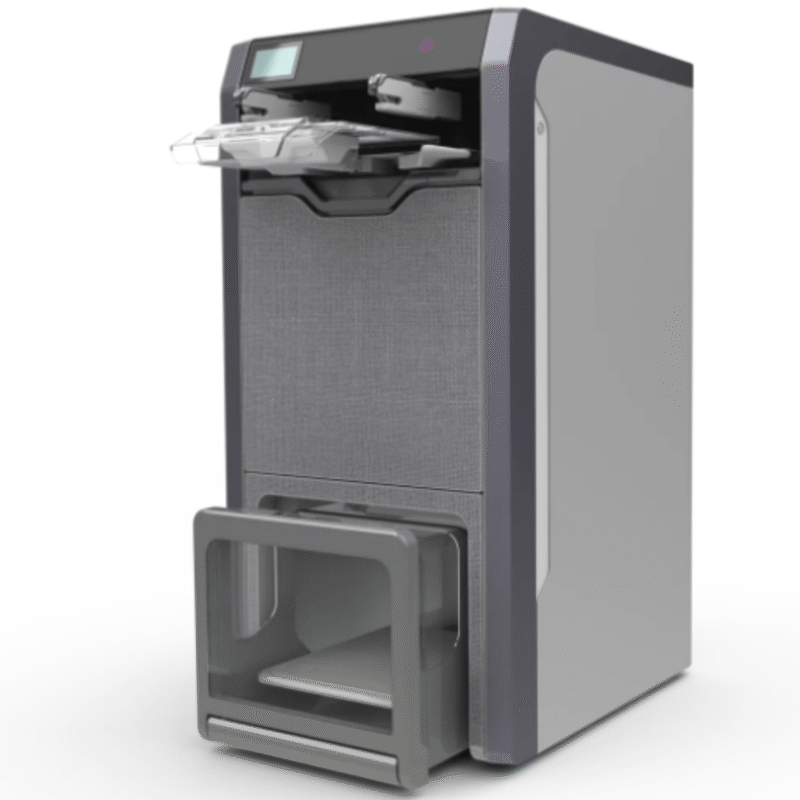
- FoldiMate (authentic model) at FoldiMate automatic laundry folding machine ($249.99) is the best entry pick for singles and couples who want consistent folding speed and a small footprint. It handles most everyday garments and is the lowest-cost pathway to automation.
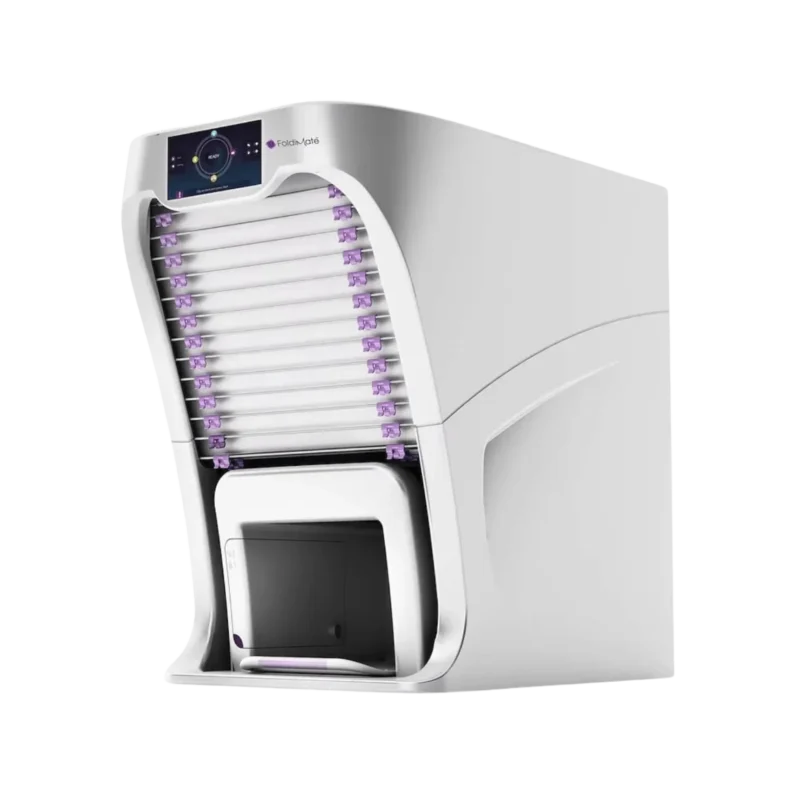
- FoldiMate 2025 at FoldiMate 2025 ($349) upgrades detection, speed and compact ergonomics — a solid choice for 2–4 person households that need faster throughput and better handling of mixed loads.
- FoldiMate Elite at FoldiMate elite ($449) adds advanced ironing-like finishing and premium materials for small families or part-time home entrepreneurs who need near-pressed results with less manual touch-up.
Which fits you: if you fold less than 5 loads weekly, the basic FoldiMate delivers the best value. If you fold 6–15 loads weekly, FoldiMate 2025 balances speed and investment. If presentation matters — suits, dress shirts or small-batch ironing replacement — the Elite is the option to consider. For model comparison help and how to match features to your home, read How to choose the right fold machine for your home and browse the FoldiMate Machines category.
What clothes can a folding machine handle
Folding machines are reliable for categories with predictable shapes. Expect consistent results with:
- T-shirts and polos — fast and uniform fold in under 10 seconds per item when fed correctly.
- Casual button shirts — basic fold, though collars may need minor smoothing after output.
- Pants and shorts — folded into compact stacks suitable for drawers or shelves.
- Light sweaters and knits — usually fine but heavier knits may require reshaping after folding.
- Towels and linens — smaller towels are handled; large bath sheets or bulky bedding are not compatible.
Limitations: delicate fabrics with loose embellishments, lingerie, garments with large zippers, bulky outerwear and most underwear may either jam or come out misshapen. Machines like the FoldiMate 2025 and Elite improve item detection and reduce jams, but you still need to pre-sort, unbutton and flatten items before feeding them. For a full list of compatibility and user tips, see Is a laundry folding robot worth the investment and Can an automatic clothes folder save you hours each week.
Setup, footprint and maintenance you should expect
Most modern folding machines are freestanding with a small footprint similar to a narrow laundry basket. Typical setup details:
- Dimensions and weight — expect a 60–90 cm tall device, 30–50 cm wide. Designed to sit next to a dryer or a folding table. Check the product page for exact measurements before buying.
- Power and noise — they plug into a standard outlet and run at moderate noise levels similar to a quiet vacuum (40–60 dB). They should be placed on a hard, level surface to avoid vibration.
- Maintenance — daily: clear lint and small debris; weekly: wipe sensors and feed tracks; monthly: check belts and mechanical connections. Parts are modular on FoldiMate models for user service and simple swaps.
- Consumables — no special chemicals required. Some premium models include a finishing pad or small replaceable inserts for ironing-like results.
Practical tip: allocate a dedicated 0.5–1 m² near your dryer so you can move warm garments directly into the folder. That reduces creases and increases throughput. If you are short on space, consult the automatic clothes folder that saves hours and space article for compact setups and placement ideas.
Price, savings and who should buy one
Price ranges for the models listed here run from $249.99 to $449. Put simply: buy if your weekly folding time exceeds 2 hours and you value predictable, neat results with minimal touch-up. Here are the numbers that matter:
- Typical weekly time saved: 2–6 hours for small families; larger households save more.
- Simple ROI math: (hours saved per week) × (your hourly cost) × 52 weeks. Compare that to the purchase price. Example: 3 hours/week × $20/hour × 52 = $3,120 annual value versus a $349 device.
- Intangible savings: fewer lost items, less ironing, more consistent folding quality, and less stress during busy mornings.
Who should buy: busy parents, households with regular laundry churn, short-term rental hosts who want fast turnover, and small home-based services that need consistent presentation. Who should wait: single-person households with minimal laundry, people who prefer hand-pressed results for specific garments, or anyone who rarely clothes-folds.
If you need a deeper look at whether the cost is justified for your family size and routine, read Is Foldimate worth buying in 2026 for busy homes and families and the what is the FoldiMate price and is it worth it page for current pricing and value discussion.
Fast buying checklist and where to compare models
Before you buy, run through this checklist. Each point takes under a minute but prevents buyer’s regret.
- Measure your space: confirm the device footprint and clearance for door/opening angles.
- Match capacity to household size: 1–2 people — basic model; 3–5 people — 2025 model; presentation-focused — Elite.
- Check compatible garments list: verify the machine handles your most common items.
- Noise and power: confirm dB rating and that you have a proper outlet nearby.
- Maintenance access: ensure you can reach feed tracks and sensors for cleaning.
- Warranty and parts: prefer models with a 12–24 month warranty and replaceable parts.
- Return policy: confirm a trial or return window in case fit or function doesn’t match expectations.
- Extras: look for ironing-like finishing, adjustable fold styles, and stack height controls.
Where to compare: start on the official product pages for feature lists and exact specs: FoldiMate automatic laundry folding machine, FoldiMate 2025, and FoldiMate elite. Then read hands-on tests in Foldimate Reviews – Real Tests Pros Cons and Buying Guide and the time-savings analysis in Can an automatic clothes folder save you hours each week. Finally, visit the FoldiMate Machines category to compare all models side-by-side on the site.
Frequently asked questions
How fast does a folding machine work per item?
Typical cycle times vary by garment: basic T-shirts take 6–12 seconds, casual shirts 8–18 seconds, and pants 10–20 seconds. Cycle times lengthen slightly for heavier fabrics. Machines process items continuously as you feed them rather than one at a time like manual folding.
Will the machine replace ironing?
Not completely. Standard folding models remove bulk and produce neat stacks but won’t replace a full iron for crisp dress shirts. The FoldiMate Elite includes enhanced finishing to reduce wrinkles and often eliminates light ironing for casual shirts and workwear.
Do these machines jam or need supervision?
Jams can happen if garments are fed incorrectly: twisted, zipped, buttoned, or too-bulky items cause issues. Expect light supervision at first while you learn the feeding rhythm; after that most users feed continuously with occasional small corrections.
Are replacement parts and service available?
Yes. The FoldiMate line uses modular parts and carries replacement components. Check the product pages for warranty terms and local service options. Keeping feed tracks clean and following the washable parts schedule reduces wear.
Can I fold large items like sheets or comforters?
No. Most home folding machines cannot process large bedding or heavy comforters. They are designed for garments and smaller textiles. For bed linens, you’ll still need manual folding or a professional service.
How do I test whether the machine is right for me?
Run a quick home test: time how long you spend folding one typical weekly load (shirt, pants, towels). Divide by the number of people who could operate the machine; compare to the machine throughput on the product page. If the machine reduces weekly folding time substantially and fits your budget, it’s worth testing in your routine.
